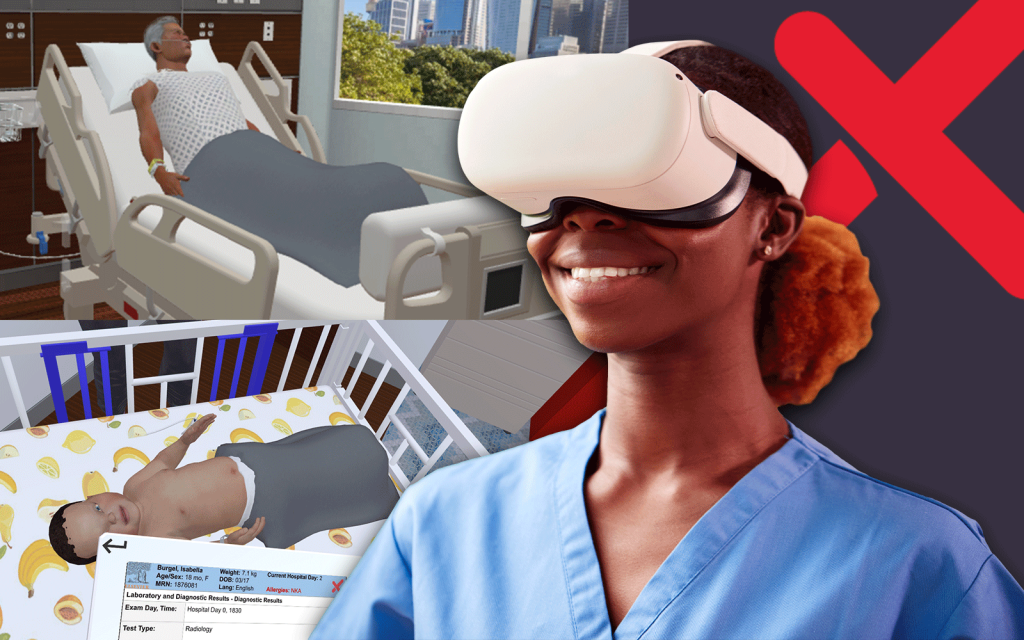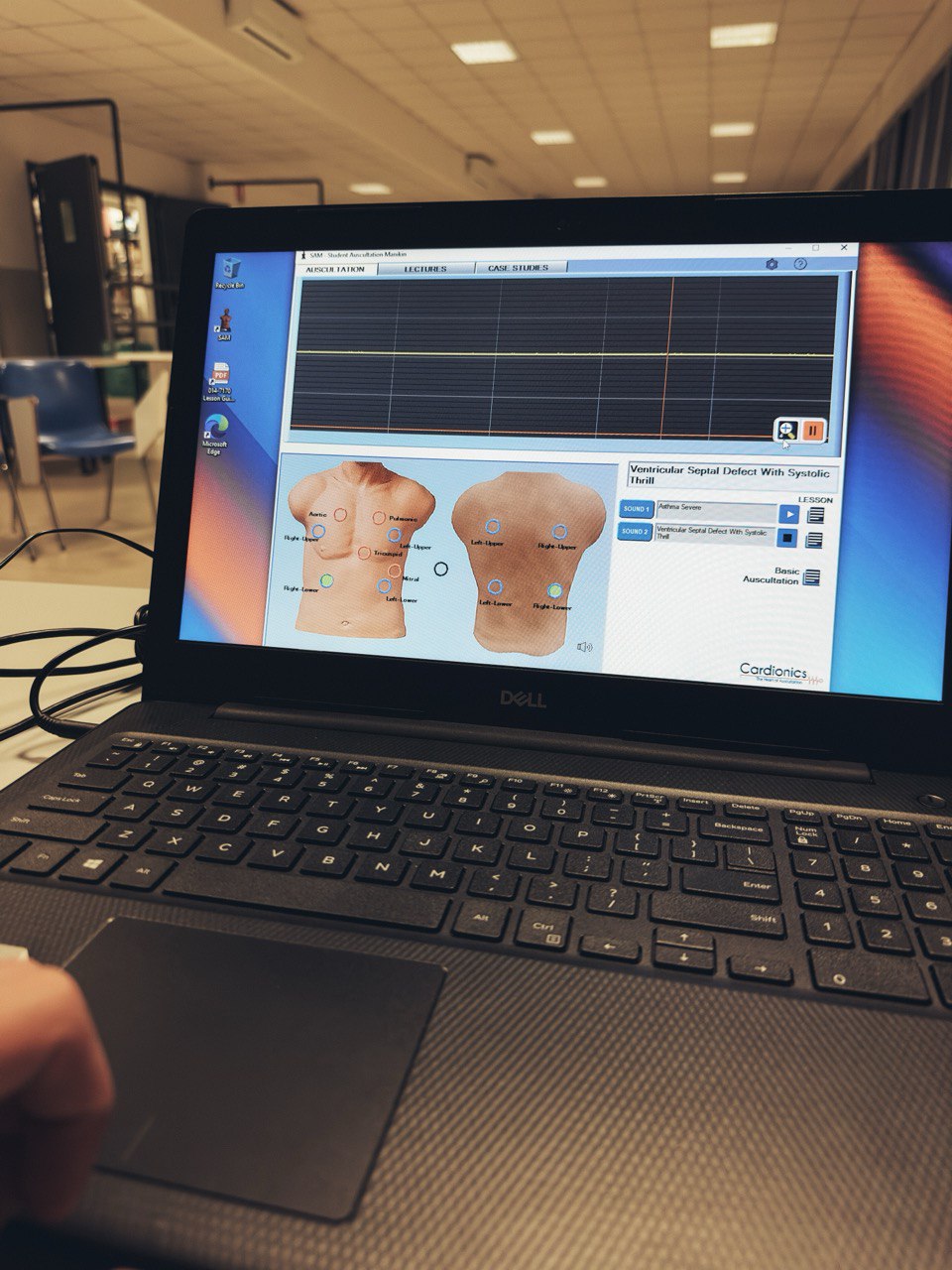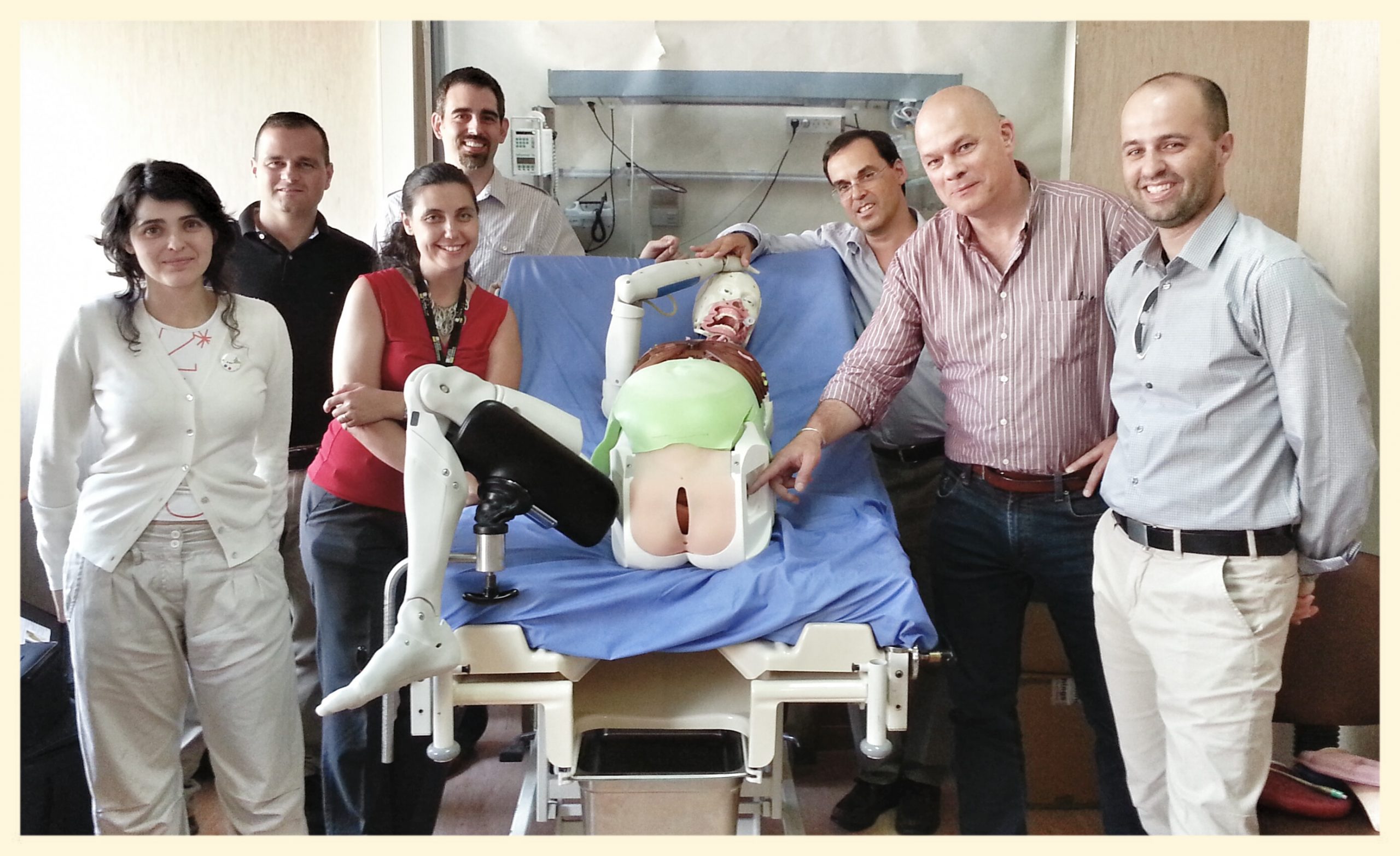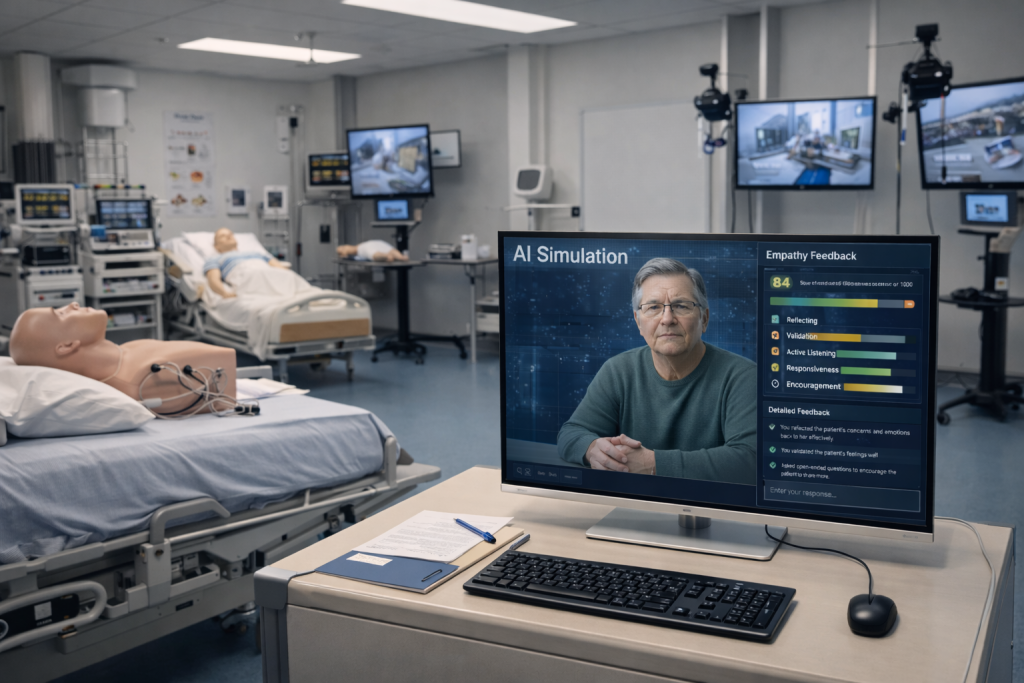


















Filmmaking practices are gradually influencing how digital simulation environments are created and refined. Techniques such as narrative structure, cinematography, visual effects, sound design, and production design can support more coherent and purposeful experiences. These contributions are particularly useful in training and educational contexts, where well-designed simulations help users practice skills and explore scenarios in a controlled setting. This collaboration offers a practical way to improve clarity, engagement, and overall effectiveness.
When we consider designing and building simulations, one of the things we hope to achieve is fidelity. Little thought of but a slowly emerging practice is the use of the creative influence of filmmakers. By blending cinematic artistry with digital environments, filmmakers are redefining the potential of simulations, transforming them into visually stunning, emotionally resonant experiences.
From the way a scene is framed to the way light plays across a character’s face, filmmakers understand how to shape perception and draw people into a story. Their skills in cinematography, visual effects, and storytelling are now being applied to digital simulations, making them richer, more immersive, and incredibly lifelike.
The Filmmaker’s Creative Influence
Filmmakers are masters of engaging audiences, and their unique skill set enhances digital simulations in ways previously unexplored:
Narrative Development
Storytelling is at the heart of cinema. A well-crafted narrative can transport an audience into another world, making them feel part of the experience. By incorporating strong storytelling techniques, simulations can become more engaging and emotionally impactful, drawing users deeper into the experience (Bordwell & Thompson, 2019).
Cinematography
The choice of camera angles, lighting, and composition can dramatically affect the look and feel of a simulation. A sweeping aerial shot can create grandeur, while a close-up can intensify emotion. Filmmakers use these techniques to shape the user’s experience, directing attention and evoking specific responses (Brown, 2016).
Visual Effects
Advanced visual effects bring simulations to life, adding layers of realism that make environments more believable. Whether it’s the flickering of candlelight, the swirling of mist, or the detailed destruction of an explosion, filmmakers use digital tools to enhance depth and authenticity (Seymour, 2020).
Sound Design and Score
The power of audio in shaping an experience is often underestimated. A filmmaker’s expertise in soundscapes, ambient noise, and musical scoring can elevate simulations, making them more visceral. The right combination of sound and music can heighten tension, build anticipation, or create an emotional connection (Chion, 2019).
Production Design
Every frame in a film is carefully crafted with set design, costumes, and props to build a believable world. The same attention to detail can be applied to simulations, ensuring that every element, textures, color palettes, and lighting choices, contributes to a cohesive and immersive environment (LoBrutto, 2018).
The Art of Creating Believable Worlds
One of the most exciting aspects of applying filmmaking techniques to simulations is the ability to craft entirely new worlds. Through a combination of digital artistry and practical effects, filmmakers can create settings that are visually stunning and functionally realistic. This could be a historically accurate cityscape, a futuristic metropolis, or a post-apocalyptic wasteland. The ability to blend artistic vision with digital realism is pushing simulations into new frontiers (Manovich, 2020).
Pushing the Boundaries of Immersion
Beyond visuals, filmmakers are also influencing the way simulations interact with users. By leveraging techniques from interactive storytelling and gaming, they are making simulations feel more dynamic and personalized. Adaptive lighting, shifting perspectives, and responsive environments create a heightened sense of realism, making users feel as if they are part of the scene rather than just observers (Ryan, 2015).
Virtual reality (VR) and augmented reality (AR) further expand these possibilities. With the addition of head-tracking, depth perception, and haptic feedback, simulations can now feel more tangible than ever before. Filmmakers are exploring ways to seamlessly merge digital effects with real-world physics, creating experiences that blur the lines between the virtual and the physical (Milgram & Kishino, 1994).
The Future of Cinematic Simulations
The fusion of filmmaking with digital simulations is just beginning. As technology advances, so too does the potential for even more immersive experiences. Artificial Intelligence -generated characters, photorealistic environments, and interactive story arcs are just some of the developments shaping the future of this space (Johnson, 2025).
By harnessing the creative vision of filmmakers, simulations are evolving into powerful storytelling tools, ones that go beyond simple training exercises and become full-fledged narrative experiences. The result is not just enhanced digital realism, but a new art form where technology and storytelling converge to create something truly extraordinary (Lee, 2025).
Conclusions
The integration of filmmaking techniques into digital simulations is contributing to more coherent and engaging virtual environments. By drawing on filmmakers’ expertise in narrative structure, cinematography, visual effects, sound design, and production design, simulations can offer users clearer, more immersive experiences without relying solely on technical sophistication. This convergence of technology and storytelling supports the creation of environments that feel more consistent, purposeful, and aligned with users’ expectations.
The application of these techniques is especially relevant in educational and training contexts. Well-designed, immersive simulations can help learners practice skills, explore scenarios, and engage with complex situations in a controlled and flexible setting. When thoughtfully implemented, these methods may support deeper understanding, better knowledge retention, and increased learner motivation, without replacing the need for sound instructional design or domain expertise.
Recommendations
Invest in Filmmaking Talent
Organizations developing digital simulations should consider hiring filmmakers or collaborating with film industry professionals to enhance the quality and impact of their simulations.
Focus on Storytelling
Strong narratives are crucial for engaging users. Developers should prioritize storytelling techniques to create emotionally resonant and immersive experiences.
Leverage Advanced Visual Effects
Utilizing cutting-edge visual effects can significantly enhance the realism and depth of simulations. Investing in advanced VFX tools and expertise is essential.
Enhance Sound Design
The auditory experience is a critical component of immersion. Developers should work with sound designers to create rich, detailed soundscapes that complement the visual elements.
Explore VR and AR Technologies
Virtual and augmented reality offer new dimensions of interactivity and immersion. Incorporating these technologies can create more dynamic and personalized user experiences.
Continuous Innovation
The field of digital simulations is rapidly evolving. Staying updated with the latest technological advancements and continuously experimenting with new techniques will ensure that simulations remain at the forefront of innovation.

References
Bordwell, D. & Thompson, K. (2019) Film Art: An Introduction. 12th edn. New York: McGraw-Hill Education.
Brown, B. (2016) Cinematography: Theory and Practice. 3rd edn. London: Focal Press.
Chion, M. (2019) Audio-Vision: Sound on Screen. 2nd edn. New York: Columbia University Press.
Johnson, M. (2025) AI and the Future of Digital Simulations. Boston: FutureTech.
Lee, S. (2025) Storytelling in the Digital Age. Los Angeles: Narrative Media.
LoBrutto, V. (2018) The Filmmaker’s Guide to Production Design. 2nd edn. London: Bloomsbury Publishing.
Manovich, L. (2020) The Language of New Media. 2nd edn. Cambridge: MIT Press.
Milgram, P. & Kishino, F. (1994) A Taxonomy of Mixed Reality Visual Displays. IEICE Transactions on Information and Systems, E77-D(12), pp. 1321-1329.
Ryan, M.-L. (2015) Narrative as Virtual Reality 2: Revisiting Immersion and Interactivity in Literature and Electronic Media. 2nd edn. Baltimore: Johns Hopkins University Press.
Seymour, M. (2020) Visual Effects and Filmmaking. 1st edn. London: Routledge.
READ ALSO