














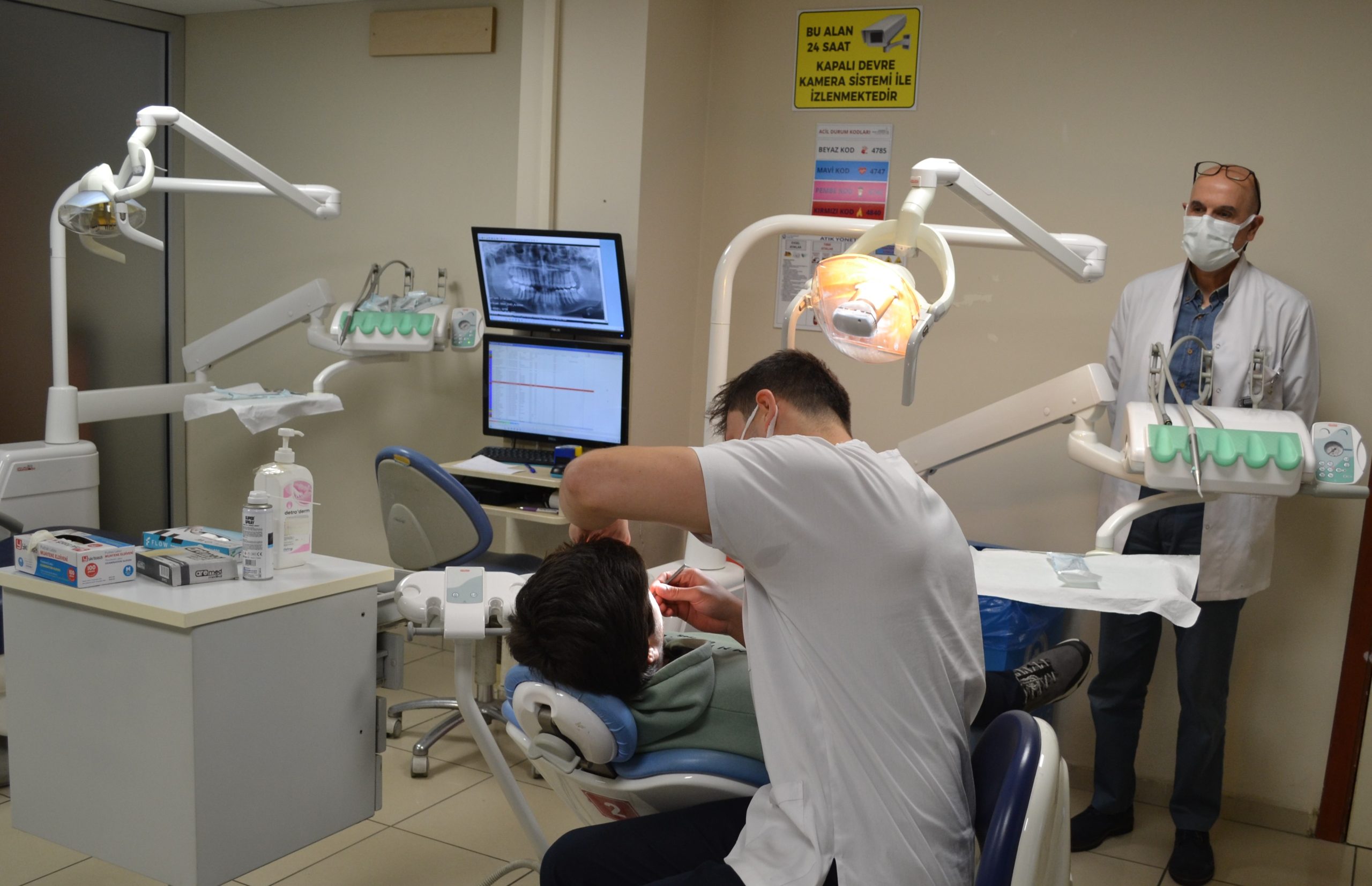
Dental simulation has become essential in preparing students for real clinical practice, but traditional models may not fully capture the complexity of patient care. The Unannounced Standardized Patient (USP) method offers a more authentic learning environment by integrating simulated patients directly into clinical settings. This approach enhances accountability, communication, and diagnostic skills while providing structured feedback that supports student development and bridges gaps in clinical supervision. Some thoughts from the Karadeniz Technical University.
Introduction
Simulation-based education has become a cornerstone of healthcare training, offering students a bridge between theory and practice. In dental education, mastering both technical skills and patient-centered communication is essential. However, teaching these skills in traditional classroom settings or even simulations may not fully prepare students for the demands of real clinical encounters.
But now imagine stepping into a clinic, performing what seems like a routine case, only to discover afterward that the “patient” was actually evaluating your every move. This experience forms the heart of the Unannounced Standardized Patient (USP) method, where students interact with simulated patients in a real clinical environment without knowing they are being assessed. The result? An authentic snapshot of a student’s clinical abilities, stripped of the artificiality of announced assessments.
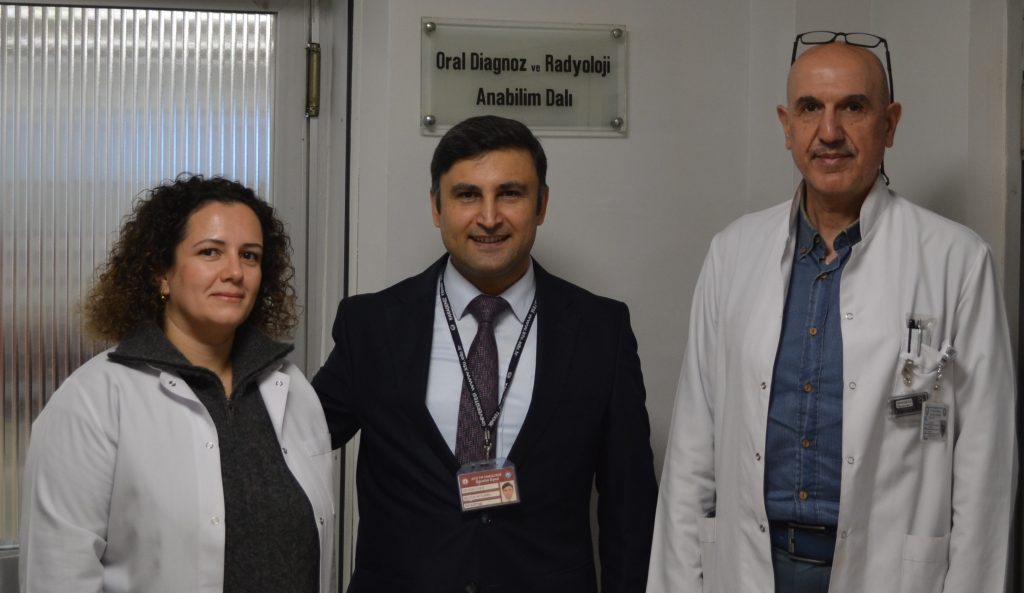
What are Standardized and Unannounced Standardized Patients?
Standardized Patients (SPs) have long been used to help students hone their skills by interacting with individuals trained to portray specific patient scenarios. SPs offer structured, controlled encounters where students can practice patient interactions, receive feedback, and build confidence.
However, USPs take this concept a step further by introducing simulated patients who are indistinguishable from real patients. USPs visit the clinical environment as “real” patients, allowing students to interact naturally and respond to patient needs without the added pressure of a known assessment. This method provides a unique opportunity to evaluate students’ true communication, diagnostic, and treatment skills in a realistic setting that better reflects the complexities of actual clinical practice.
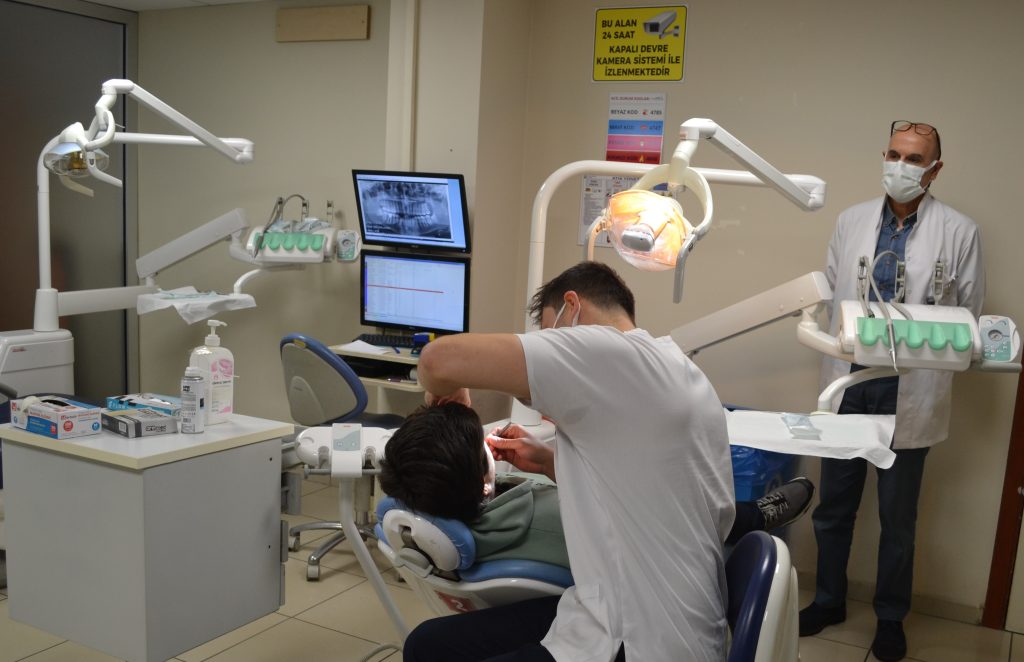
Our Experience Implementing USP in Dental Education
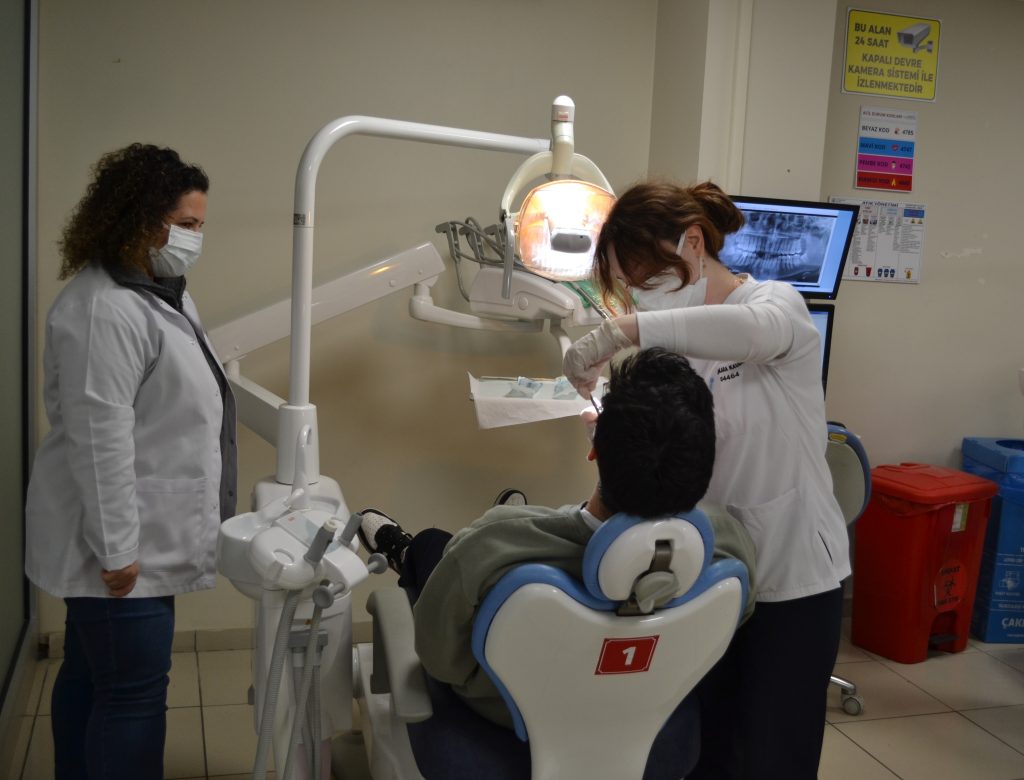
At the Karadeniz Technical University Faculty of Dentistry, we introduced the USP method within Oral Diagnosis clinics. Here, students are responsible for conducting initial evaluations, diagnosing conditions, and developing treatment plans, making it an ideal setting to observe students’ clinical skills. The USP approach allowed us to closely monitor how students perform in the early stages of patient interaction, essential skills for patient-centered care.
The dental students were informed that USPs could visit any time during a particular week. This uncertainty allowed for a realistic clinical interaction, as students were unaware of when they might be evaluated by a USP, creating an authentic sense of accountability. Students in the USP group overwhelmingly reported feeling more immersed in the patient experience, describing USPs as “real patients” and recognizing their interactions as powerful learning moments.
By comparison, students assessed by SP felt more comfortable but acknowledged the experience lacked the same realism.
Insights from Students and Educators
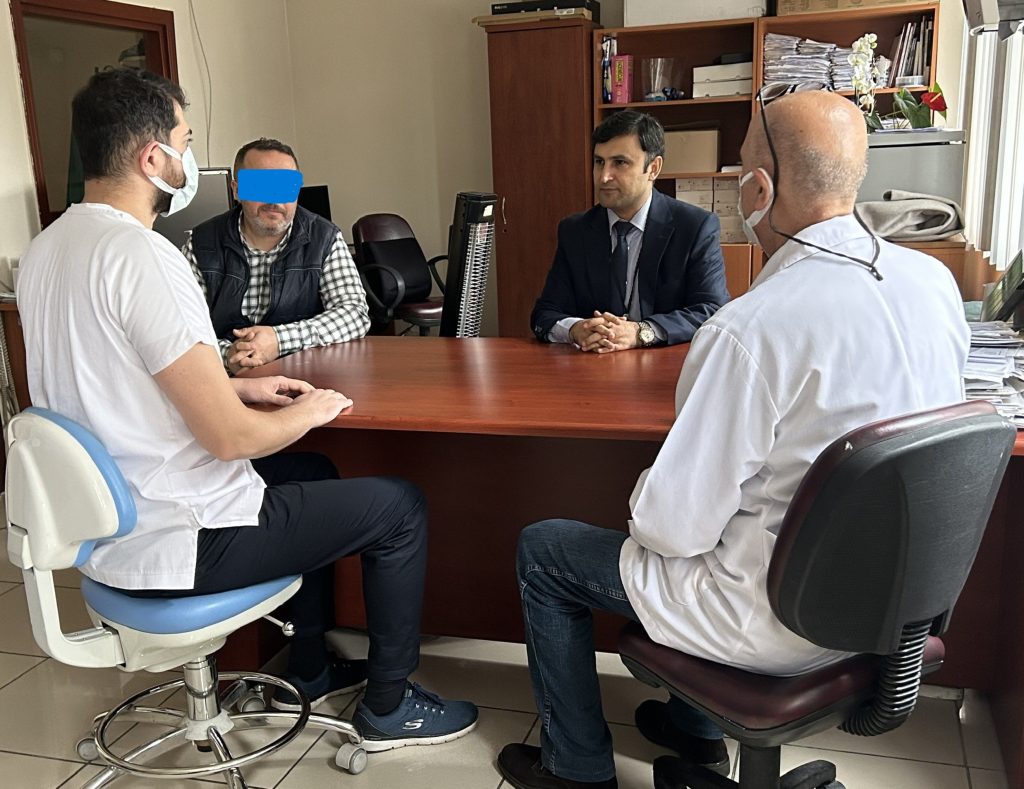
The use of the USP method proved helpful in deepening our understanding of both student and educator perspectives in dental education. From the interviews conducted, several key themes emerged, outlined below:
- Realism and Engagement: students highlighted that USP encounters felt like true patient interactions, fostering a deeper sense of engagement. The USP setup pushed them to refine their communication, diagnostic, and patient management skills, as they felt more compelled to perform at their best.
- Feedback Culture: both SP and USP methods greatly enhanced students’ understanding of feedback’s role in their development. USP students, in particular, valued the structured feedback provided post-interaction, which allowed them to pinpoint specific areas of improvement.
- Bridging the Supervision Gap: many students noted that educator workload limits real-time supervision and feedback in clinical settings. The USP approach partially fills this gap, allowing for structured assessments that provide students with much-needed guidance.
Advantages of the USP Method Over Traditional Assessment Methods
Compared to traditional SP assessments and standard clinical evaluations, the USP method provides some distinct advantages, largely due to its greater realism and the authentic pressure it introduces. Students often report feeling more accountable when interacting with a USP, as the experience more closely resembles real clinical conditions. This increased sense of responsibility encourages a careful and attentive approach to patient interactions.
In addition, the USP method places emphasis on self-reflection. By receiving structured, reflective feedback, students are prompted to consider their own strengths and areas for improvement. This reflective process supports personal development and helps students carry what they have learned into future clinical encounters.
Challenges and Recommendations for Future Implementation
While the USP method has proven to be an effective tool for dental education, there are challenges to its broader implementation. For instance, the high level of realism in USP scenarios can sometimes lead to performance anxiety, which may affect students’ ability to fully engage with the patient. Additionally, the need for ongoing educator involvement in the feedback process is crucial to the method’s success.
To maximize its effectiveness, we recommend expanding the USP method across dental education, particularly for developing soft skills such as communication and patient-centered care. More training for USPs and educators would also help ensure consistency and objectivity in evaluations.
Conclusion
The USP method presents a powerful addition to dental education, offering realistic, high-stakes assessments that better prepare students for the demands of real-world clinical practice. By fostering accountability, promoting self-reflection, and providing critical insights into communication skills, USPs offer a multifaceted learning experience that enriches the educational journey of future dental professionals.
READ ALSO