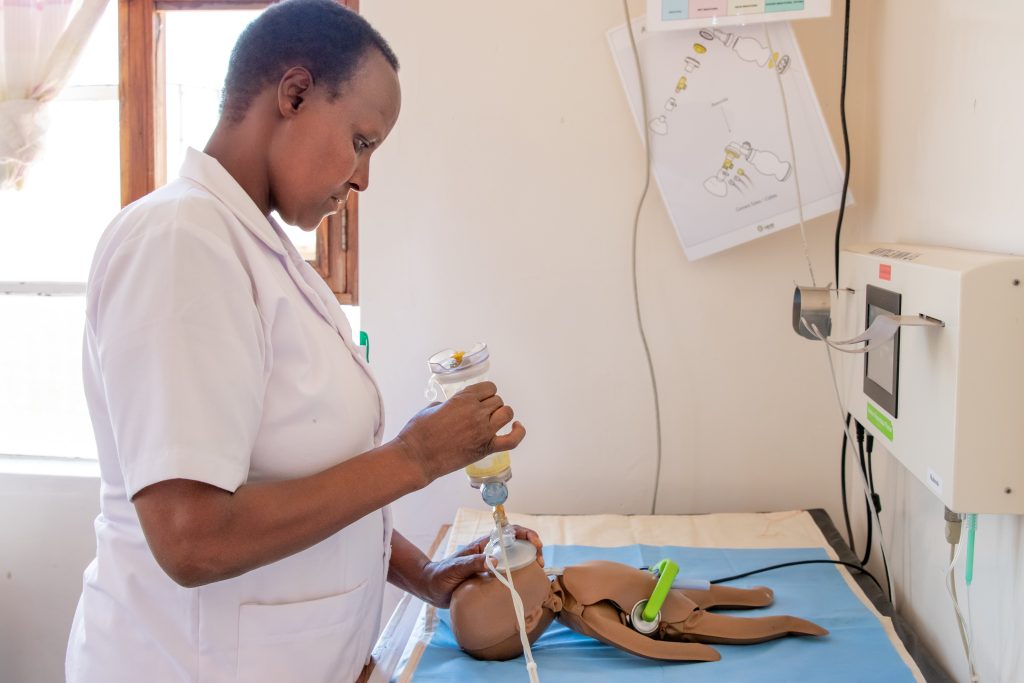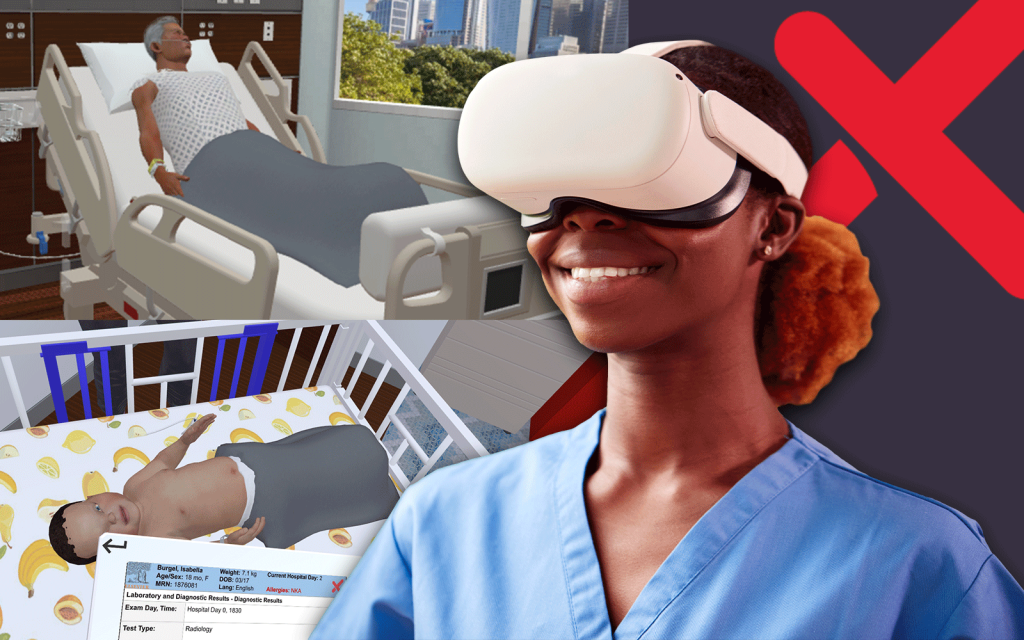















Simulation has plenty of shiny parts: the room setup, the tech, the script, the roles, the timing. But in this conversation between Denis Oriot and Fouad, the real engine of learning isn’t the scenario—it’s what happens right after it. Their core idea is simple and quietly radical: a debrief isn’t a “feedback moment.” It’s a structured investigation into how people thought, not just what they did. And that shift—from judging performance to understanding cognition—changes everything: learner safety, team culture, and ultimately patient safety.
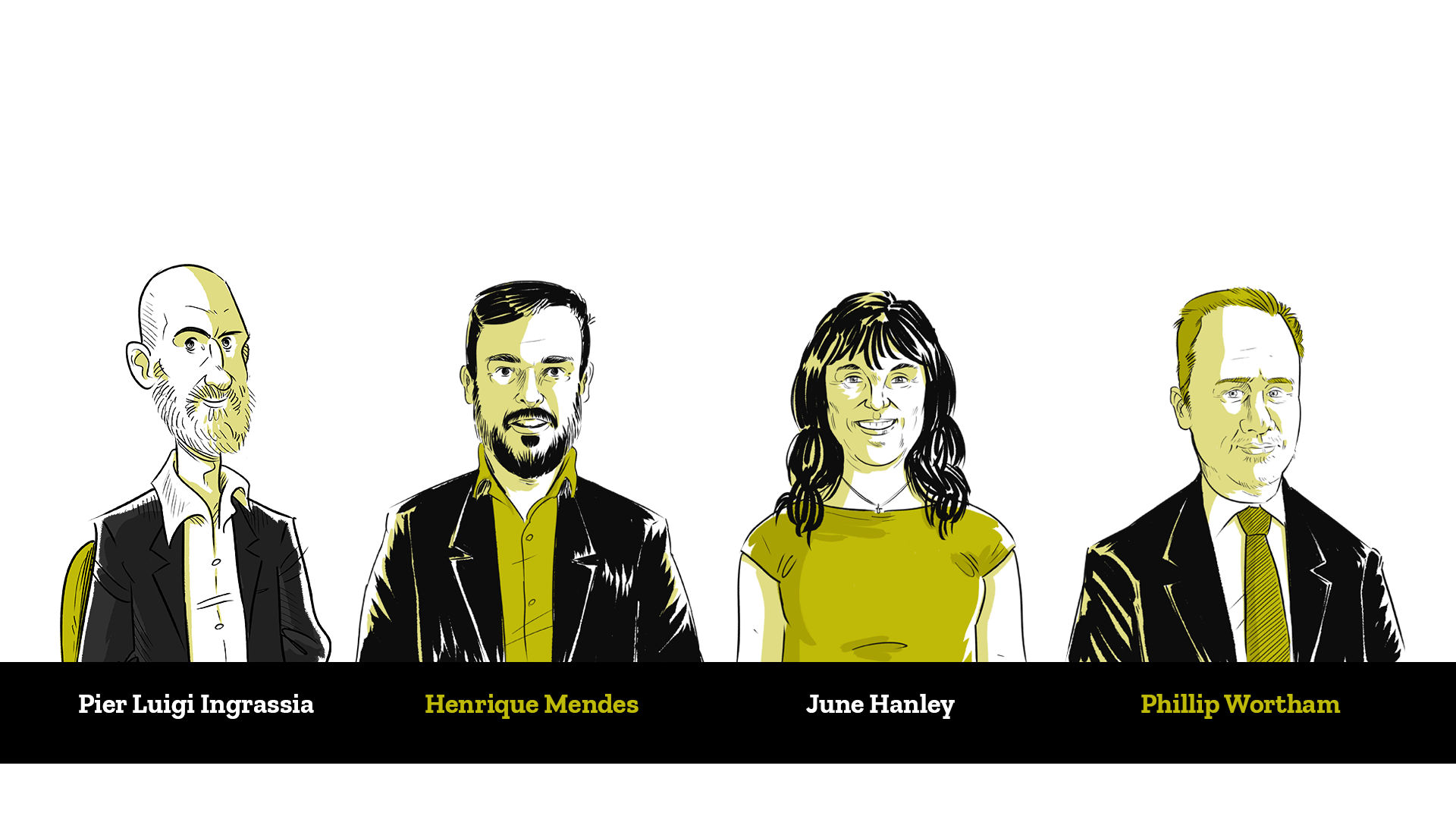
A SIMZINE exclusive based on SIM Moove podcast interview with Denis Oriot
From “just tell them the mistake” to “understand the black box”
Oriot doesn’t pretend he was born a debriefing purist. Early on, he leaned toward a blunt approach: if someone makes an error, you point it out, correct it, and move forward. All the “precautions” around emotions and psychological safety felt unnecessary—maybe even a little indulgent.
Then experience did what experience does: it complicated the story.
He came to see that errors aren’t just gaps in knowledge or technique. They’re often outputs of a hidden process—assumptions, priorities, stress, role confusion, tunnel vision, misread cues, incomplete shared information. If you only correct the visible action, you might fix the moment, but you miss the mechanism that produced it. Debriefing, in this view, is how you open the mechanism.
High-stakes in-situ simulation: when debriefing isn’t optional
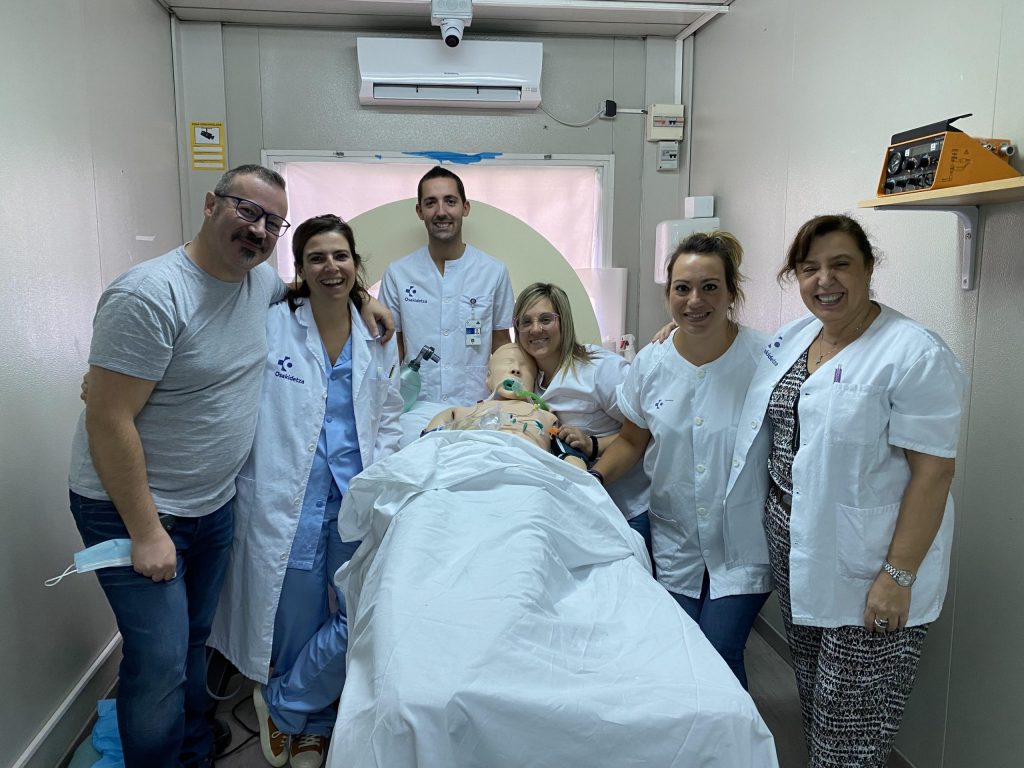
One of the most memorable elements in the transcript is Oriot’s description of unannounced in-situ simulations used for pediatric emergency accreditation in Quebec. These weren’t friendly practice runs. Teams could be called to the emergency department without warning and suddenly find themselves in a simulation—interprofessional, complex, and very close to real clinical pressure.
Evaluators observed (sometimes filmed), and the debrief that followed wasn’t a quick chat. It could run long and involve everyone because the consequences were real: performance could influence whether the center kept authorization to receive pediatric patients for the months ahead.
That context matters. It reframes debriefing as a tool for system readiness and risk reduction—not a courtesy at the end of training. When stakes are high, you can’t afford a debrief that’s vague, judgmental, or purely instructional. You need a method that reveals how the team made decisions and how the system shaped those decisions.
The backbone: Reaction–Analysis–Synthesis (and why emotions go first)
Oriot anchors his approach in a familiar structure: Reaction, Analysis, and Synthesis (or Summary). The point isn’t to follow a script mechanically—it’s to keep the conversation coherent and safe.
The part many facilitators underestimate is the Reaction phase. Oriot argues for starting with emotions because simulation activates both cognition and action (“brain and hands”), and that combination reliably produces emotional responses—sometimes subtle, sometimes intense.
Why does that matter?
Because emotions aren’t just “feelings.” They:
- affect communication,
- influence what the learner remembers,
- reveal what the learner found meaningful or threatening,
- and create the conditions for honest reflection.
If you ignore reactions, you risk debriefing a room full of people who are still carrying stress, embarrassment, frustration, or confusion. And if you wait too long, that emotional data fades or gets buried under intellectual analysis—then the late “How did you feel?” question becomes awkward and disconnected.
The bridge most people skip: description and shared reality
Before you analyze decision-making, you need to agree on what happened and what the scenario was about. Oriot emphasizes this “description” step as essential—especially in team-based scenarios where different participants may leave with different interpretations.
If learners didn’t recognize the case as cardiogenic shock (for example), and the facilitator analyzes it as if they did, the debrief will misfire. Feedback won’t land, not because learners are resistant, but because they’re operating inside a different internal narrative.
This phase also reveals team dynamics: Did anyone articulate a diagnosis? Did the team share mental models? Did someone see the key sign but never voice it? In many cases, the critical gap isn’t clinical knowledge—it’s shared situational awareness.
The real revolution: investigating the invisible world
Here’s the heart of their message: modern debriefing is not primarily about the visible actions. It’s about the invisible reasoning that produced those actions.
Oriot describes the learner’s “black box.” The facilitator can’t truly know what a participant perceived, assumed, prioritized, or feared in the moment. That means the facilitator must adopt humility—not as a personality trait, but as a professional stance.
The facilitator’s job becomes: make thinking visible without making the thinker unsafe.
That’s why questions matter so much. Not interrogations, not “leading questions,” and definitely not “gotcha” questions. Real questions. The kind that start with: Help me understand what you were seeing at that moment… or What was your main concern right there? or What information were you missing?
When learners reveal their reasoning, you can target the real levers: perception, communication, priorities, team assumptions, workflow design—not just “do X instead of Y.”
Advocacy–Inquiry and the problem of “pseudo non-judgment”
When Fouad discusses advocacy–inquiry, the conversation gets refreshingly blunt: the magic ingredient isn’t the formula—it’s genuine curiosity.
They point out a common trap in facilitation: pseudo non-judgment. The facilitator avoids saying what they think, but the judgment still leaks through tone, facial expression, and question design. Learners feel it, become defensive, and the debrief becomes a performance.
They also critique the classic “guess what I’m thinking” move—the question that pretends to explore reasoning but actually steers learners toward the instructor’s pre-decided answer. That can generate compliance, but it rarely generates reflection. Worse, it can trigger shame, which is the fastest way to shut down honest learning.
The better approach is balanced transparency: state what you observed and why it matters (advocacy), then ask for the learner’s perspective with authentic openness (inquiry). You can hold expertise without turning it into a verdict.
Ending with application: does the learning actually transfer?
A debrief can feel smooth and still change nothing. Oriot offers a practical closing: ask learners what they would do differently if they faced the same case tomorrow—or if they ran the same scenario again.
This forces translation from insight to action. It also serves as a quality check: do the changes learners propose match the key performance gaps discussed? If the match is strong, the debrief landed. If not, the facilitator has a final moment to clarify and reconnect the learning to practice.
The final message: error is physiological, blame is optional
Oriot ends with a powerful reframing: error is physiological. Human brains are fallible—especially in complex, time-pressured environments. That doesn’t lower standards; it makes standards realistic.
The danger is defaulting to blame culture, where mistakes become moral failures. Debriefing is an alternative: a method to reduce recurrence, improve systems, protect patients, and protect clinicians from the corrosive cycle of guilt, reproach, and burnout.
In the end, their version of debriefing isn’t “soft.” It’s disciplined. It treats learning as a safety intervention—and treats people as humans while doing it.
Full conversation available in French on SIM Moove
READ ALSO