















From pediatric neurosurgery to immersive simulation, Maxime Ross explains how clinical experience has given rise to a new approach to learning healthcare procedures—one grounded in first-person perspective, mimetic learning, and solid scientific evidence.
A SIMZINE exclusive based on SIM Moove podcast interview with Maxime Ros
Seeing is not enough: the limits of traditional learning
Ross describes how, during his surgical training, he experienced a frustration shared by many residents: being present does not necessarily mean understanding. In the operating room, trainees observe, yet often fail to see what truly matters. The viewing angle is wrong, the gesture is partially obscured, and—most importantly—there is no access to the expert’s decision-making process.
This leads to a simple yet radical question: how can we capture and transmit knowledge that is made up of micro-decisions, timing, priorities, and selective attention?
High-stakes in-situ simulation: when debriefing isn’t optional
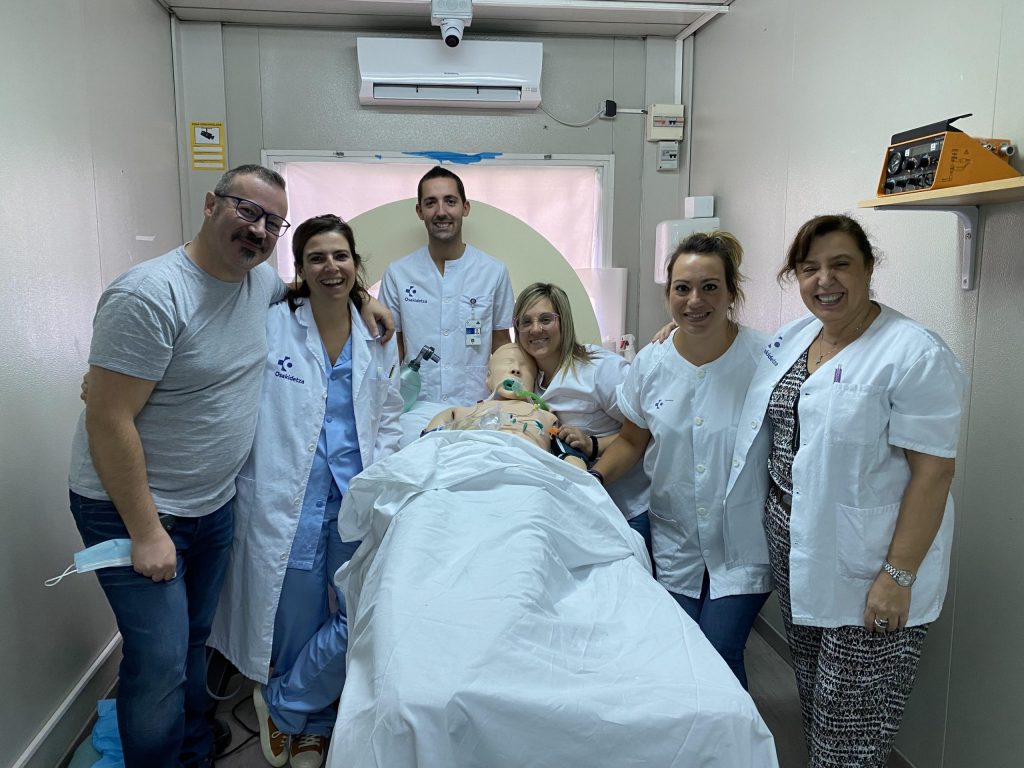
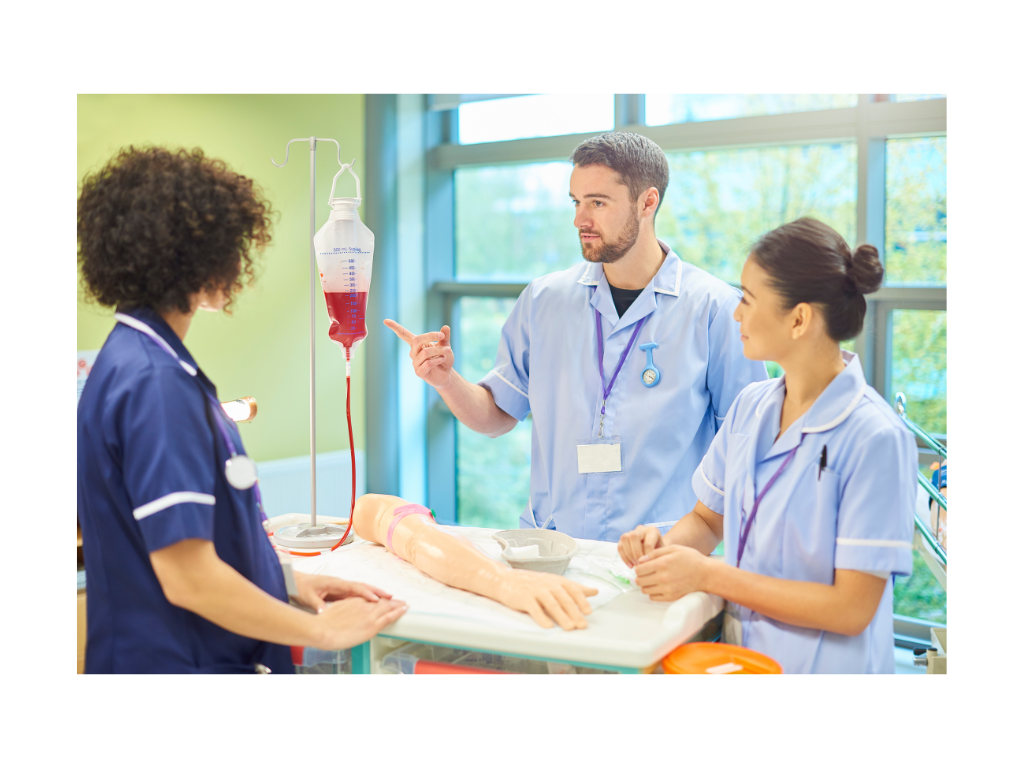
One of the most memorable elements in the transcript is Oriot’s description of unannounced in-situ simulations used for pediatric emergency accreditation in Quebec. These weren’t friendly practice runs. Teams could be called to the emergency department without warning and suddenly find themselves in a simulation—interprofessional, complex, and very close to real clinical pressure.
Evaluators observed (sometimes filmed), and the debrief that followed wasn’t a quick chat. It could run long and involve everyone because the consequences were real: performance could influence whether the center kept authorization to receive pediatric patients for the months ahead.
That context matters. It reframes debriefing as a tool for system readiness and risk reduction—not a courtesy at the end of training. When stakes are high, you can’t afford a debrief that’s vague, judgmental, or purely instructional. You need a method that reveals how the team made decisions and how the system shaped those decisions.
First-person view as an educational tool
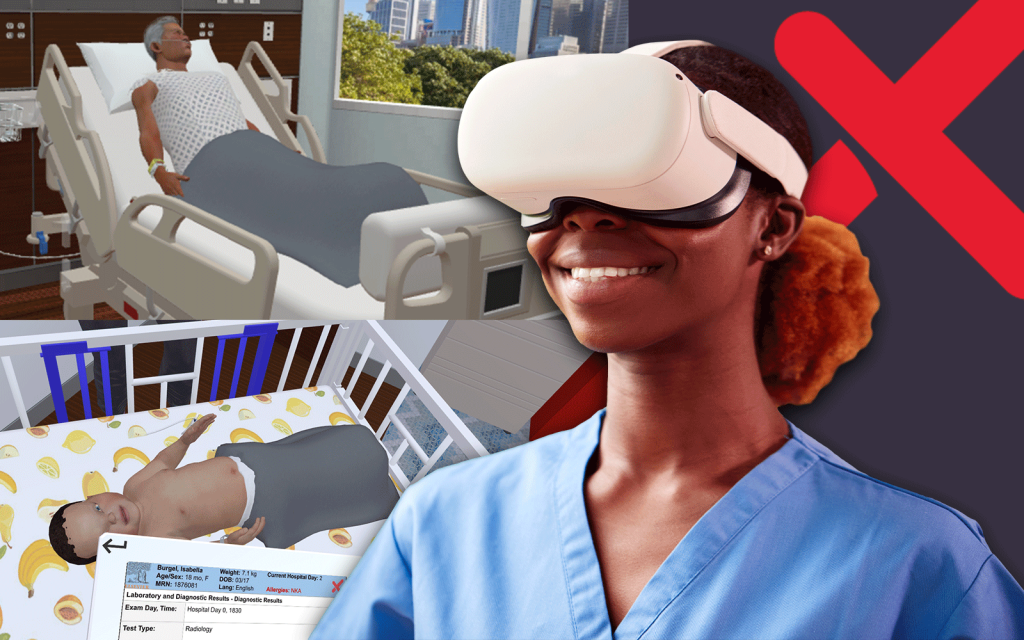
The answer takes shape in the concept of First Person View: allowing learners to see exactly what the professional sees while performing a procedure. This is not a traditional demonstration video, but an immersive experience that reconstructs the clinical gesture from the operator’s perspective.
This approach leverages mechanisms of mimetic learning and the activation of mirror neurons, positioning itself in a space often overlooked in healthcare education: the gap between theory and first hands-on practice. An intermediate step that prepares the mind even before the hand.
A learning ecosystem, not just a technology
Over time, this insight evolved into a platform of immersive tutorials accessible via smartphones and VR headsets, designed for students, healthcare professionals, interprofessional teams, and caregivers. The content is structured into chapters, enriched with anatomical references, and designed to integrate into blended learning pathways—without replacing the role of the instructor.
In this model, simulation is not an isolated event but a component embedded within the broader educational journey, supporting understanding, safety, and error reduction.
Evidence, research, and scientific legitimacy
A key aspect highlighted in the episode is the work of scientific validation. Studies conducted show that first-person immersive experience allows procedures to be performed more quickly and with a significantly lower number of errors, without compromising theoretical learning.
The message is clear: virtual reality does not eliminate the teacher—it enhances their effectiveness, especially when the goal is to transform abstract knowledge into operational competence.
Final message
Simulation is not a matter of technology, but of pedagogical intentionality. Every tool has its indication, just as every medical intervention has its context. Virtual reality works when it responds to a specific need and when it is integrated into a coherent educational ecosystem.
As Ross emphasizes, there is already substantial evidence and experience to learn from today. The challenge is not to constantly invent something new, but to understand where and why to use what we already have—placing the clinical gesture, the decision-making process, and, above all, the learner at the center.
Full conversation available in French on SIM Moove
READ ALSO