
















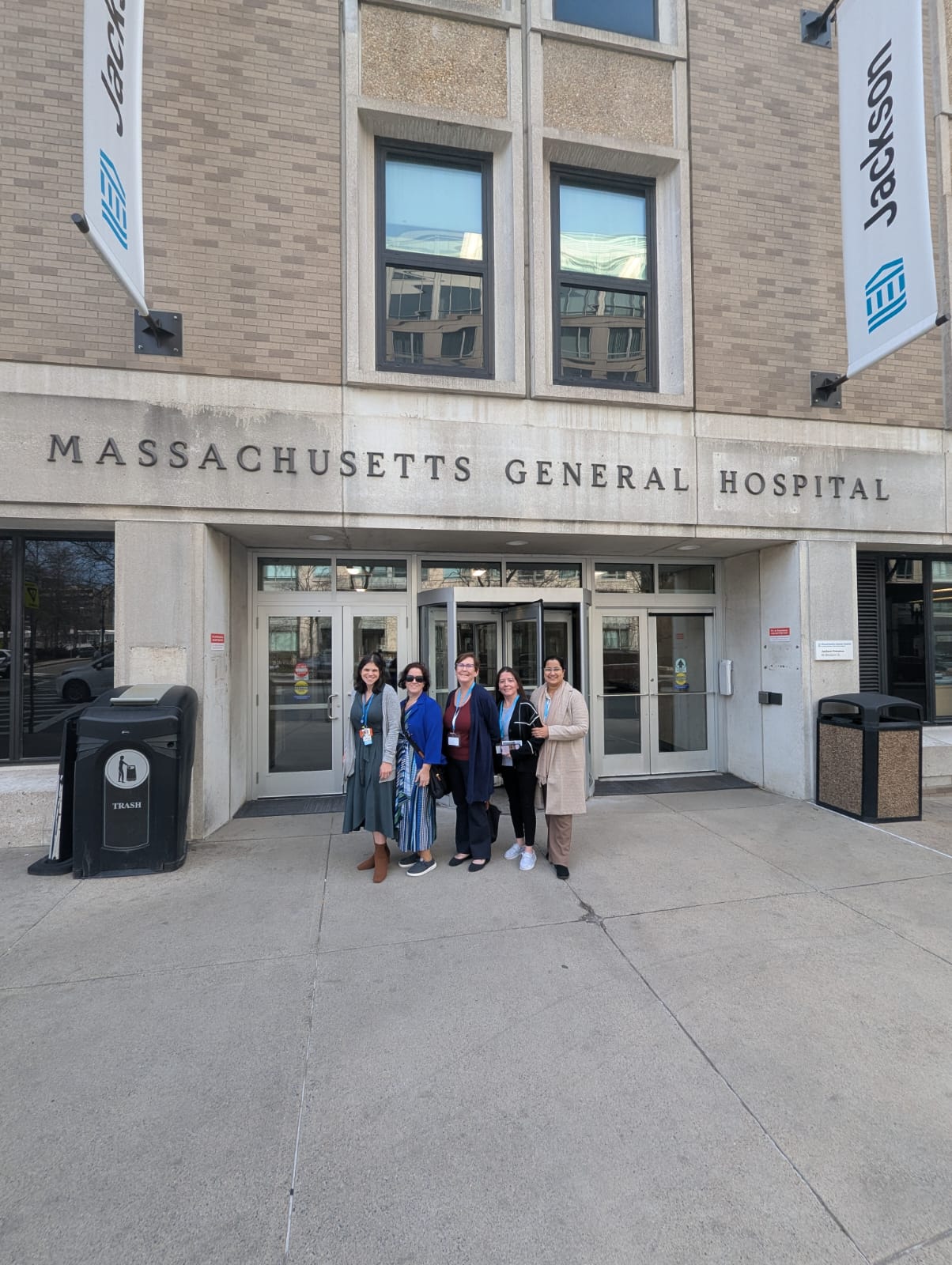
The HSR Course provides a structured approach to simulation research, combining methodological guidance with practical experience. Developed by experts in the field, the program supports learners in designing studies, analyzing data, and preparing manuscripts for publication. With a focus on clarity, rigor, and collaboration, it offers a reliable pathway for professionals seeking to strengthen their research skills in healthcare simulation.
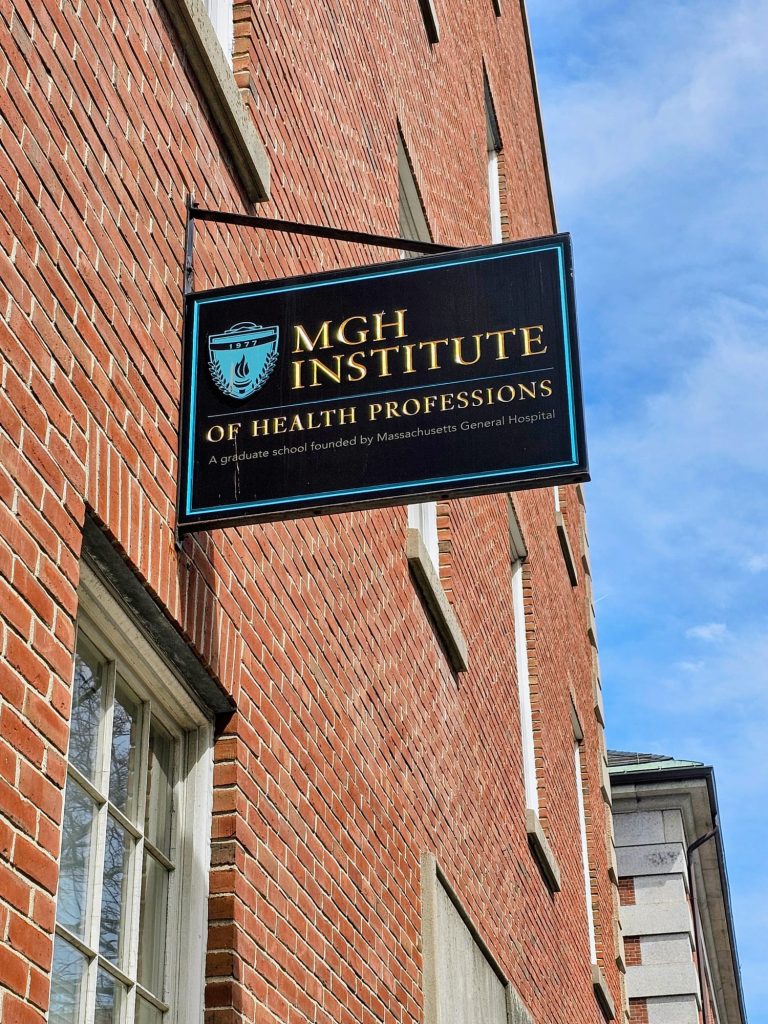
The Center of Excellence in Healthcare Simulation Research and its REBEL (Research in Experiential-Based Education and Learning) Lab at the MGH Institute of Health Professions has emerged as a hub for innovation in simulation-based educational research. The Healthcare Simulation Research (HSR) Course was born out of a shared vision: to demystify the research process, promote publication success, and create a rigorous but accessible pathway to advance the science of simulation. What began as an idea by Drs. Janice Palaganas, Debra Nestel, Suzie Kardong-Edgren, Jared Kutzin, Mark Scerbo, Aaron Calhoun, and Jill Sanko, each of whom brought decades of clinical, academic, and editorial experience to the table, has now evolved into a global training ground for the next generation of simulation researchers. The course is already reshaping how simulation research is taught, applied, and published.
The development of the HSR Course was directly informed by the findings of a landmark umbrella review that highlighted significant methodological limitations and inconsistent reporting practices in simulation-based research (Palaganas et al., 2023). The review emphasized the urgent need for more rigorous study design, clearer alignment between research questions and outcomes, and stronger theoretical underpinnings. In response, the HSR Course was intentionally designed to address these gaps, offering structured mentorship, hands-on research experience, and a focus on publication-quality work. By embedding evidence-based best practices into the course curriculum, the program aims to elevate the quality and impact of simulation research across the healthcare spectrum.
Prior to the Center of Excellence in Healthcare Simulation Research and its REBEL lab’s founding, there were no centers of excellence dedicated to studying simulation-based teaching and learning methods and cognitive learning processes, particularly in the field of interprofessional education (IPE) or artificial intelligence (AI). The majority of simulation centers worldwide primarily concentrate on utilizing simulations for student education, often producing publications in various areas of interest. The Center aims to bridge this gap by establishing a specialized center that not only generates novel insights around simulators and academic experiential teaching methods, but also offers valuable guidelines for optimizing simulation practices. The goal is to reimagine simulation research education, not as a collection of lectures, but as a participatory journey, where learners could engage with real-world research in real time.
«Too often, simulationists are inspired to do research but lack the structured support to take a project from idea to publication», says Dr. Palaganas, «this course fills that gap and empowers participants to publish impactful work with confidence».
A Participatory Research Model
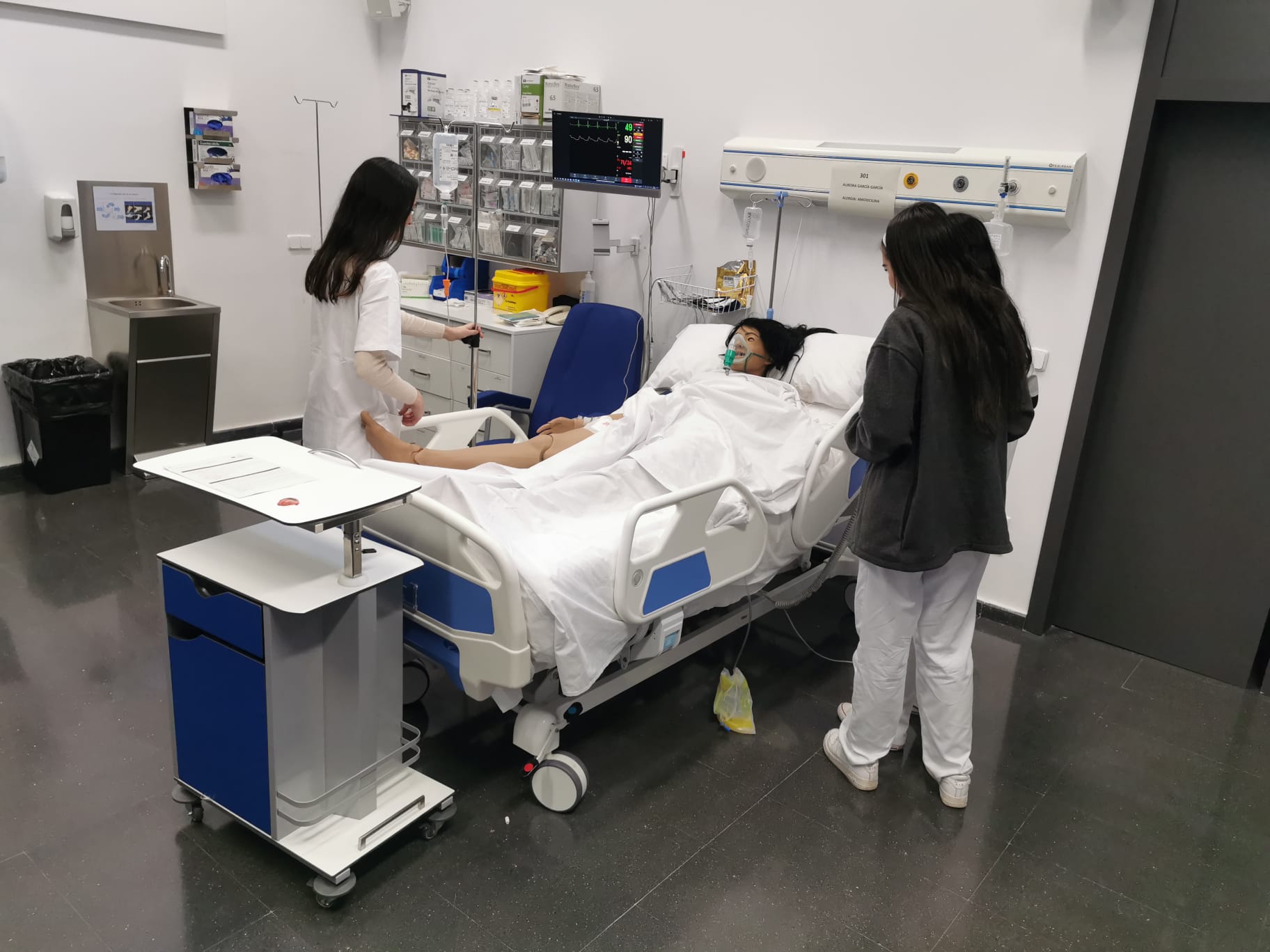
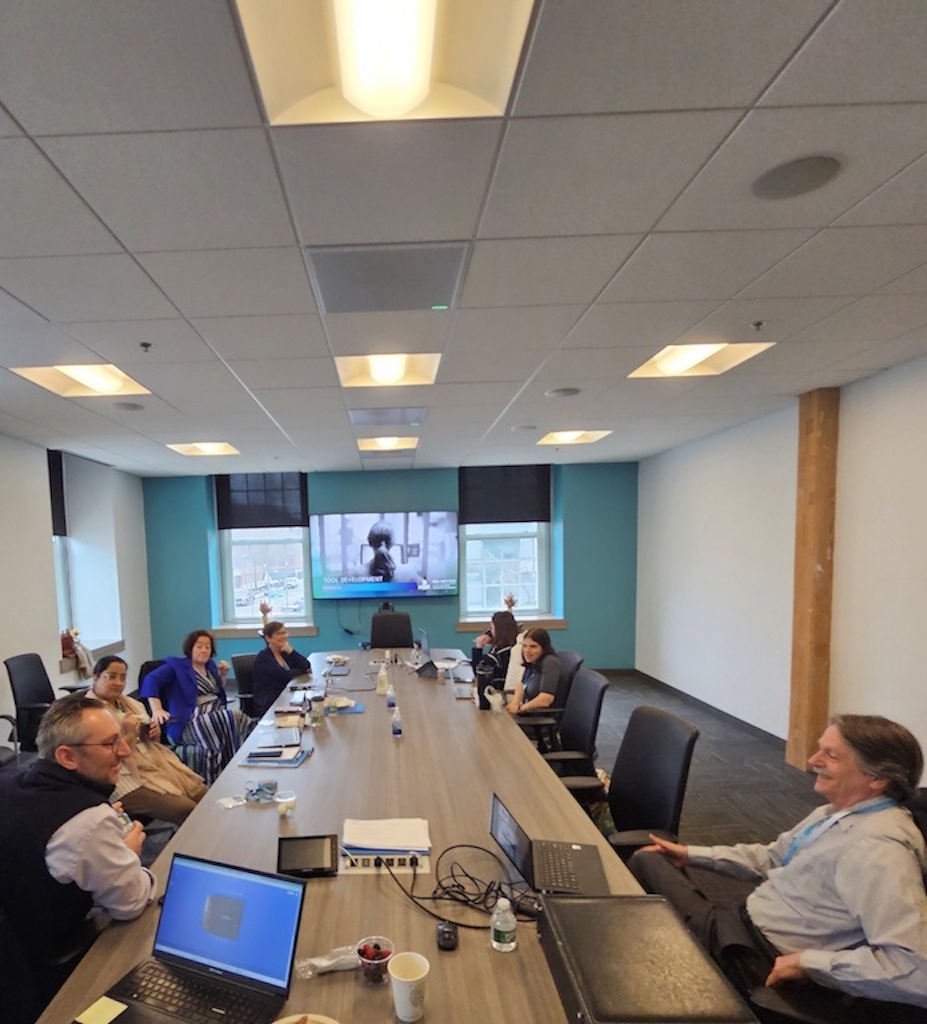
One of the course’s most innovative features is its use of Participatory Action Research (PAR): participants serve not only as learners, but as contributors to a living research study, engaging in behavioral coding, debriefing analysis, and reflective data collection as both researchers and subjects. This model creates a unique opportunity for immersive learning that is both theoretical and practical.
Built for Publication
Unlike traditional academic courses, the HSR Course is explicitly designed to result in publication. Through expert mentorship, peer feedback, and structured writing support, participants co-author research projects that are developed with journal submission in mind. The course culminates in a 2-day virtual writing workshop, as well as a presentation opportunity at the Annual HSR Conference in Boston.
The results of the pilot cohort speak for themselves: participants collaborated on five original research studies (one quantitative, two qualitative, and two mixed methods), with one already submitted for publication and others actively in preparation. These outcomes demonstrate the course’s effectiveness not only in teaching research but in generating scholarly work.
«By the end of the program, learners walk away with more than knowledge: they walk away with manuscripts and a growing research network» says Dr. Jared Kutzin.
A Global and Growing Community
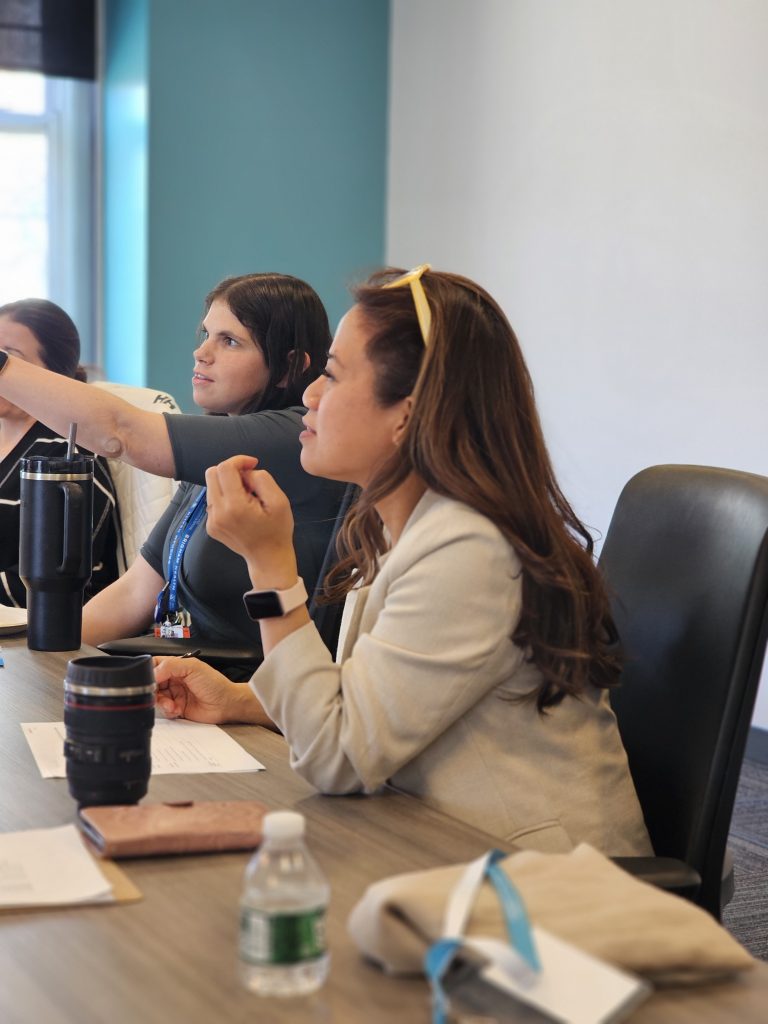
The pilot cohort launched in 2024, welcoming a diverse group of participants, including the first international attendee, who have since collaborated on ongoing research initiatives. The overwhelmingly positive feedback led to the course’s expansion, with two additional cohorts now offered annually in Boston, as well as the ability to bring the course to your institution.
«The experience was both challenging and energizing in all the best ways», one participant shared. «It was a privilege to learn from global leaders in simulation and be immersed in a course that truly walked the talk of research».
Looking Ahead
With an expanding faculty, a growing publication track record, and a built-in framework for CE credit, the HSR Course is well positioned to shape the next chapter of healthcare simulation scholarship.
This 6-month course equips clinicians, educators, and researchers with critical skills to:
- Design rigorous simulation-based studies
- Formulate research questions
- Evaluate assessment challenges
- Conduct comprehensive literature reviews
- Navigate IRB processes
- Apply qualitative, quantitative, or mixed-methods analysis
- Write for publication and share findings
- Leverage leadership support and funding
- Integrate advanced technologies
- Drive interdisciplinary collaboration to improve clinical training and patient care
Enrollment is now open for Cohorts 2 and 3. For more information or to register, visit:
🔗 https://www.mghihp.edu/healthcare-simulation-research-hsr
References
Palaganas, JC, et al (2023). In-Person Healthcare Simulation: An Umbrella Review of the Literature. Simulation in Healthcare, 10-1097.
READ ALSO