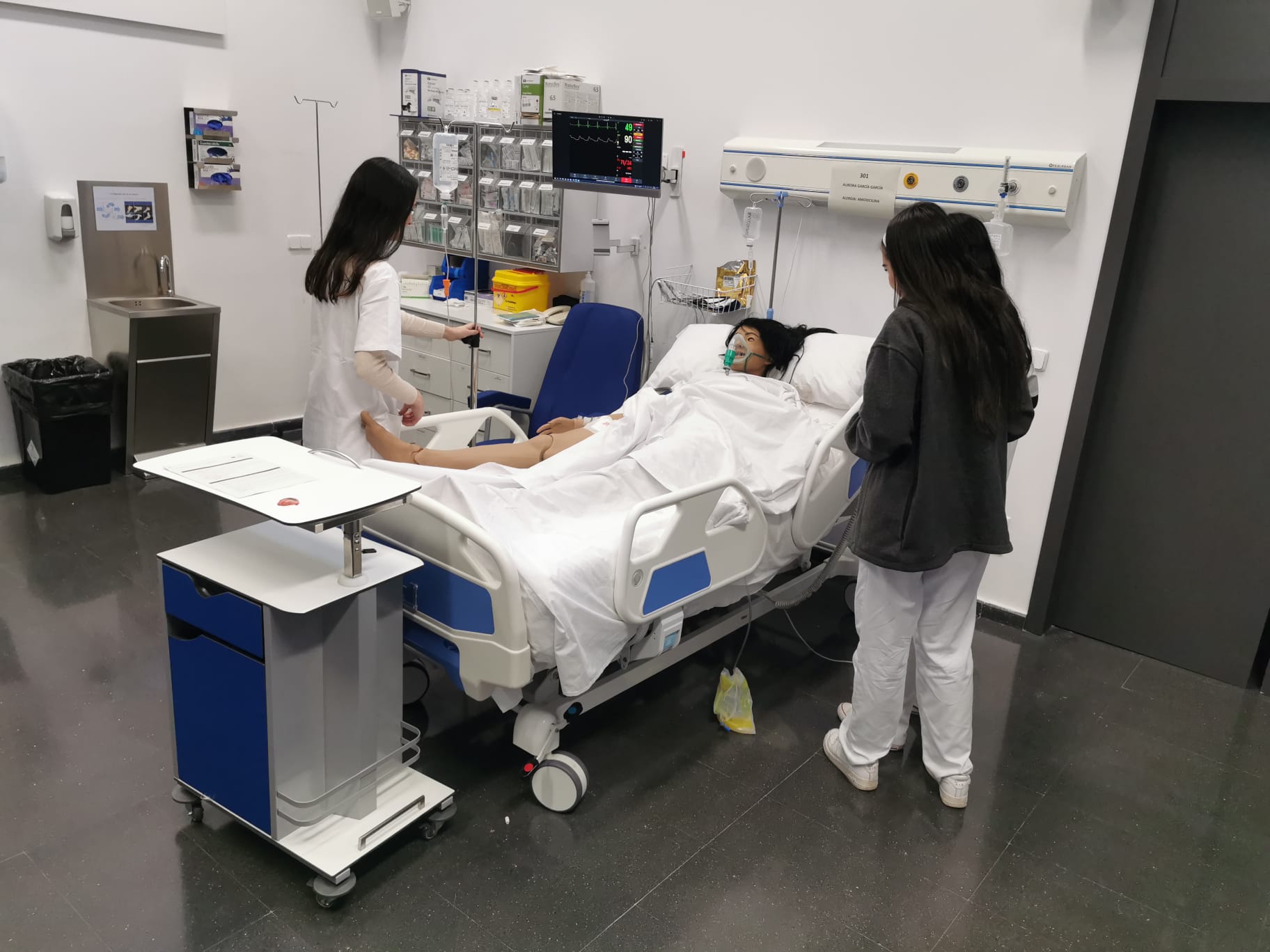

















Artificial intelligence is emerging as an innovative tool for training in clinical interviews, from virtual patient simulations to personalized feedback on empathetic behaviors. Recent studies show that “tailor-made” systems can provide training experiences equivalent to those with human actors, while generic models are less effective. Despite its potential, the trust of professionals and the reliability of the systems remain critical challenges. AI is therefore seen as a complement to traditional simulation, offering scalability, accessibility, and support for clinical training, without replacing the doctor-patient relationship.
This article is written in collaboration with “Il colloquio clinico: rivista italiana di comunicazione sanitaria” (The Clinical Interview: Italian Journal of Healthcare Communication)
Predicting the impact of artificial intelligence (AI) on clinical interviews is, at present, a theoretical exercise that is unlikely to generate reliable predictions. We can imagine what technology will be capable of in a few years’ time, but it remains difficult to get patients and professionals to accept solutions that involve AI playing a significant role in clinical practice. Resistance stems both from a lack of confidence in a machine’s ability to understand and manage the human component of the patient relationship and from regulatory and medico-legal implications. The Italian experience also shows that the regulatory framework is not keeping pace with technological developments: laws tend to adapt reality to the rules, rather than the other way around, and this slows down the introduction of innovative tools into clinical practice.
The clinical interview and training models
The clinical interview, as defined in the Dizionario Italiano di Medicina Narrativa(Italian Dictionary of Narrative Medicine), is a structured communication sequence that aims to focus communication on the person according to the available evidence (Ardis, 2022). Our training group has long used the Kalamazoo Consensus Statement as a reference model. This framework identifies seven essential elements that guide all interaction between patient and healthcare provider (Makoul, 2001):
- relationship building,
- openness,
- information gathering,
- understanding the patient’s perspective,
- information sharing,
- agreement on future plans, and
- closure.
Training based on this model involves a cognitive-behavioral approach based on task-based learning. Each element is broken down into specific tasks that the learner must perform. This methodology provides precise guidance on the behavior to adopt at different stages of the interview.
Applications of AI in clinical training
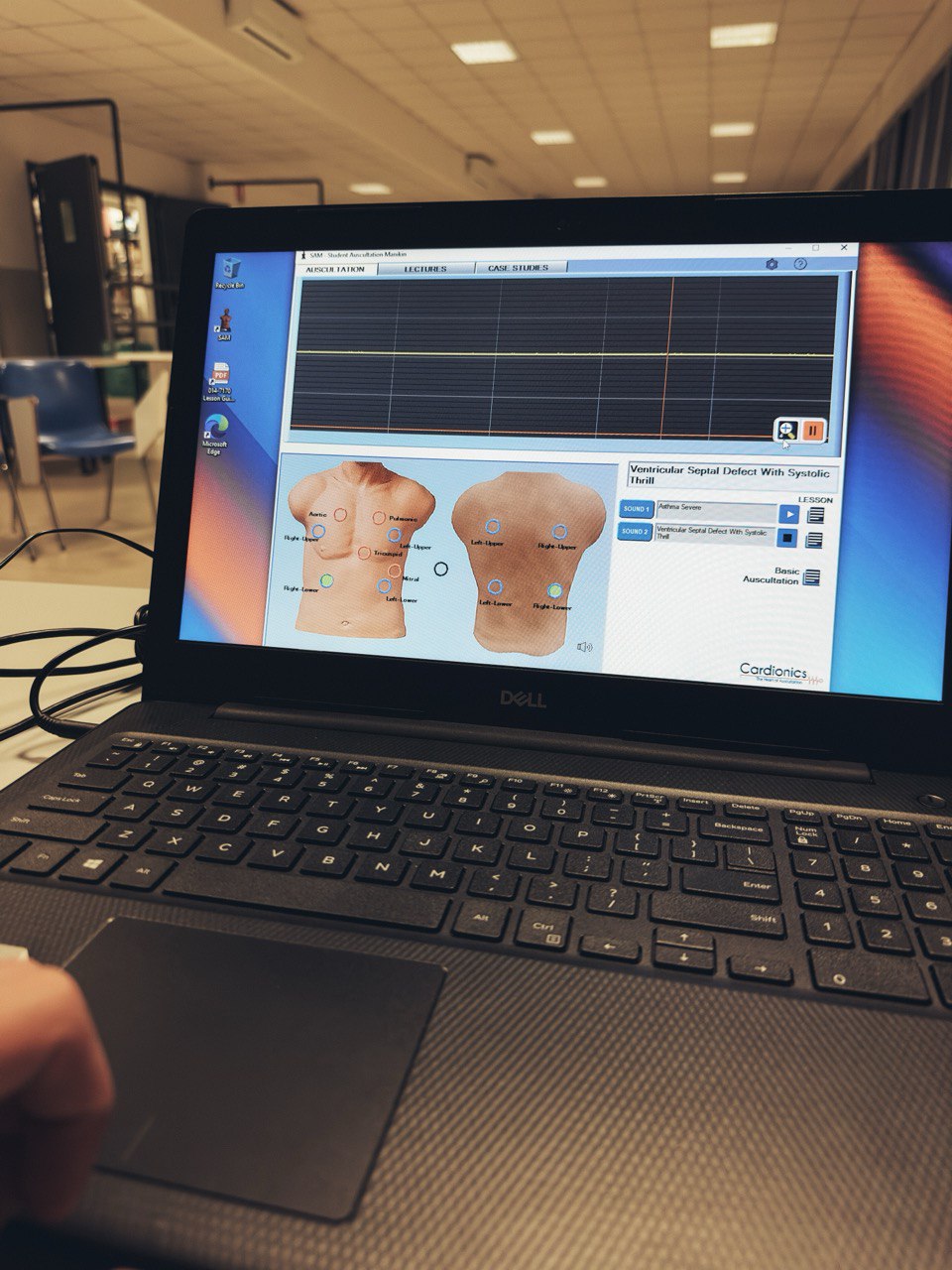
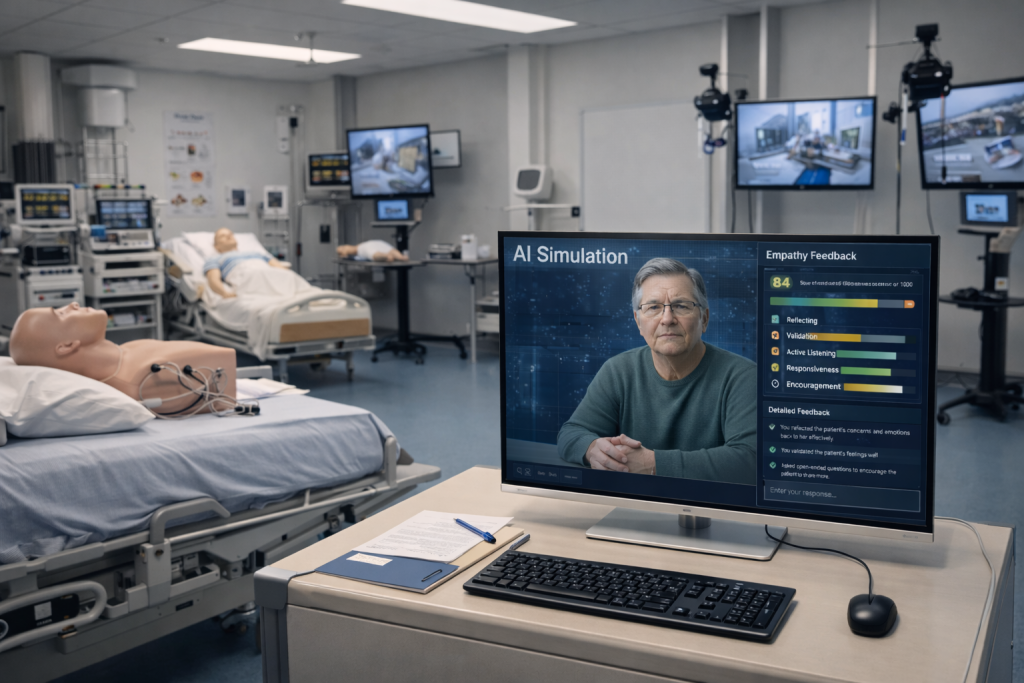
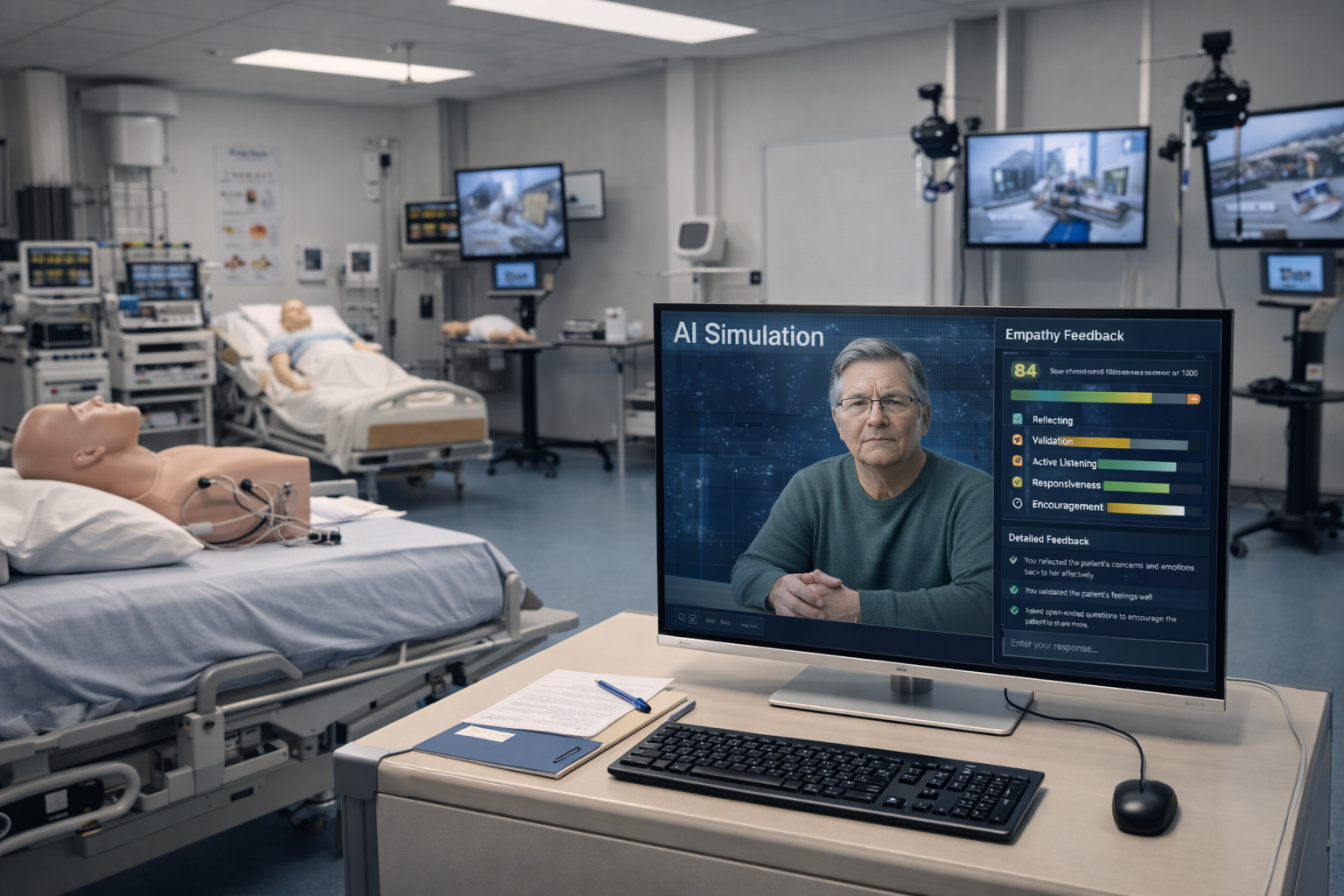
In the field of training and professional development, we are observing how artificial intelligence (AI) can be applied in different stages and in different ways in the learning process of healthcare professionals. Digital technologies make it possible to evaluate task performance during clinical interview simulations and provide targeted feedback. Our group has developed a checklist to measure the frequency of empathetic behaviors in telemedicine simulations, and we are working on an AI-based app capable of automatically analyzing sentences with empathetic content. Although it is currently a prototype, we expect a beta version to be available within a year. The goal is not to create a scale, but a tool that allows us to assess changes in the frequency of empathetic behaviors before and after training aimed at increasing empathy.
Challenges and potential of AI in clinical interviews
The most critical element concerns the acceptance of these tools by learners and professionals. After each individual clinical interview simulation, we provide individual feedback, which is recognized in the literature as an effective learning method. While, in theory, an AI-managed simulation and feedback from a virtual agent could be just as effective, it is difficult to get a physician with years of experience and ingrained communication habits to accept an evaluation from a machine. In the author’s opinion, the main limitation to the use of AI in communication learning will lie more in the trust of learners than in the actual potential of the technology.
In the medium term, artificial intelligence is expected to become progressively more reliable: errors made by AI will decrease to the point of being less likely than those made by a human being.
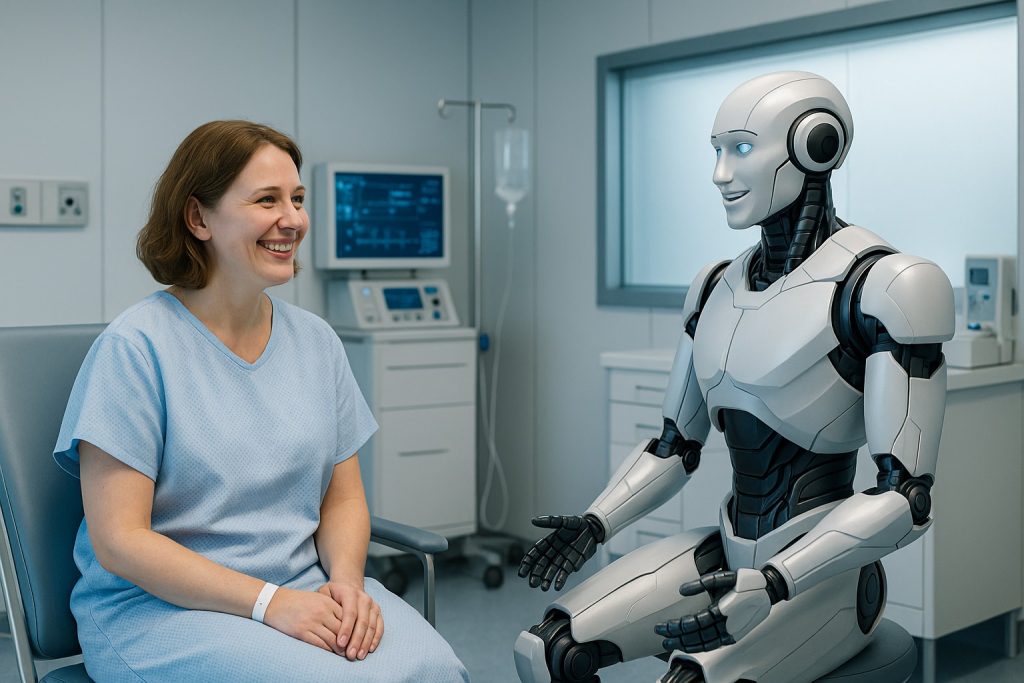
When this happens, the use of AI in clinical practice will be inevitable. According to some communication teachers, this will allow doctors to reduce the time needed for diagnosis and treatment planning, reserving a greater portion of the visit for human interaction, which is considered irreplaceable. Nevertheless, it is difficult to imagine that AI will completely replace the doctor in clinical interviews in the short term, precisely because of the residual mistrust of such tools. It is more realistic to believe that AI can be integrated into certain stages of the consultation as a communication aid, in the same way as informational videos, brochures, or educational diagrams already used to facilitate patient understanding.
AI in clinical interview simulators
With regard to clinical dialogue and patient interviews, more and more healthcare simulators are integrating AI to manage training interactions. The literature of recent years shows a steady growth in these applications, although the available studies still show marked heterogeneity in terms of design, technologies used, and clinical contexts. The body of evidence remains predominantly composed of pilot and observational studies, with few controlled trials, a sign of a rapidly developing sector that is still in its infancy in terms of methodological soundness.
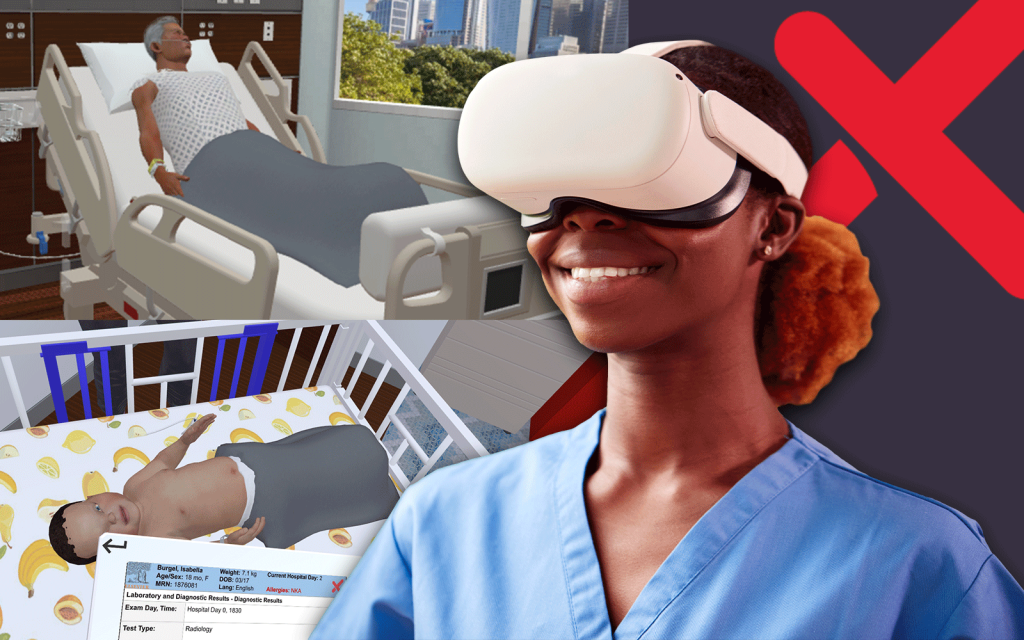
The technical architecture of AI systems has changed significantly over time. Early work, such as that of Rizzo and colleagues (2010), focused on creating virtual agents equipped with natural language, capable of sustaining face-to-face dialogue and reproducing realistic emotional reactions. More recent solutions, on the other hand, exploit large language models: platforms such as MedSimAI integrate systems such as GPT-4o for textual interactions and real-time APIs for voice communication. In several studies, these systems have demonstrated not only the ability to respond to empathetic statements, but also to handle complex conversational nuances, including elements of humor.
Reliability, customized models, and acceptance of AI in clinical interview simulation
However, the issue of reliability remains central. The risk of generating incorrect or non-contextualized information is still very high: the review by Stamer et al. (2022), for example, cites the lack of authenticity and limited fluidity of dialogue as among the main critical issues, factors that can compromise training effectiveness. Despite technical advances, conversational AI is not immune to errors, especially in complex clinical conditions.
However, the emergence of ‘tailor-made’ AI systems, designed specifically for clinical simulation, is showing promising results. These platforms, trained on educational scenarios and data contextualized to healthcare practice, seem to offer more reliable performance than generalist language models. The most significant case is that of SimConverse: in a recent publication (Ting et al, 2025), this dedicated platform provided learners with a learning experience equivalent to that obtained with human actors, while the direct use of a generic model such as ChatGPT produced significantly inferior results. This evidence reinforces the idea that, in the field of training, the quality of interaction depends not only on the power of the language model, but above all on its degree of specialization and the way it is integrated into the educational ecosystem.
An interesting aspect concerns user perception and acceptance. On the one hand, as discussed above, it is still difficult to imagine that AI could completely replace doctors in clinical consultations in the short term, precisely because of the residual mistrust of such tools. On the other hand, international experience shows seemingly contrasting signs: the high volume of over 45,000 consultations recorded on the Geeky Medics platform highlights how, when made easily accessible, AI-based virtual patients generate spontaneous and massive participation (Potter L & Jefferies, 2024). This suggests that resistance may be more pronounced among professionals than among students or younger learners, and that usability plays a decisive role in the acceptance of these technologies.
Conclusions
As in clinical practice, the literature still considers AI to be a complement to traditional simulation, not a substitute for it. The main advantages lie in scalability: reduced costs, the possibility of practicing without constraints on the availability of actors, and the opportunity to train from home. It is plausible that such tools will become an integral part of clinical training, offering safe and accessible practice environments, while the authentic relationship with the patient will continue to represent the irreplaceable core of communication skills.
Bibliography
Potter L & Jefferies C. Enhancing Communication and Clinical Reasoning in Medical Education: Building Virtual Patients with Generative AI. Future Healthcare Journal, 2024.
Rizzo A, et al. A New Generation of Intelligent Virtual Patients for Clinical Training, 2010.
Stamer T, et al. Artificial Intelligence Supporting the Training of Communication Skills in the Education of Health Care Professions: Scoping Review. Journal of Medical Internet Research, 2022.
Ting pw & Wolffsohn JS. Artificial Intelligence-Driven Patient History and Symptoms Combined with Slit-Lamp Eye Simulation for Enhancing the Clinical Training of Students. Clinical and Experimental Optometry, 2025.
Ardis, S. (2022). Modelli comunicativi. In M. Marinelli (Ed.), Dizionario di medicina narrativa. Parole e pratiche. Scolè – Morcelliana.
Makoul, G. (2001). Essential elements of communication in medical encounters: the Kalamazoo consensus statement. Academic medicine, 76(4), 390-393.
READ ALSO