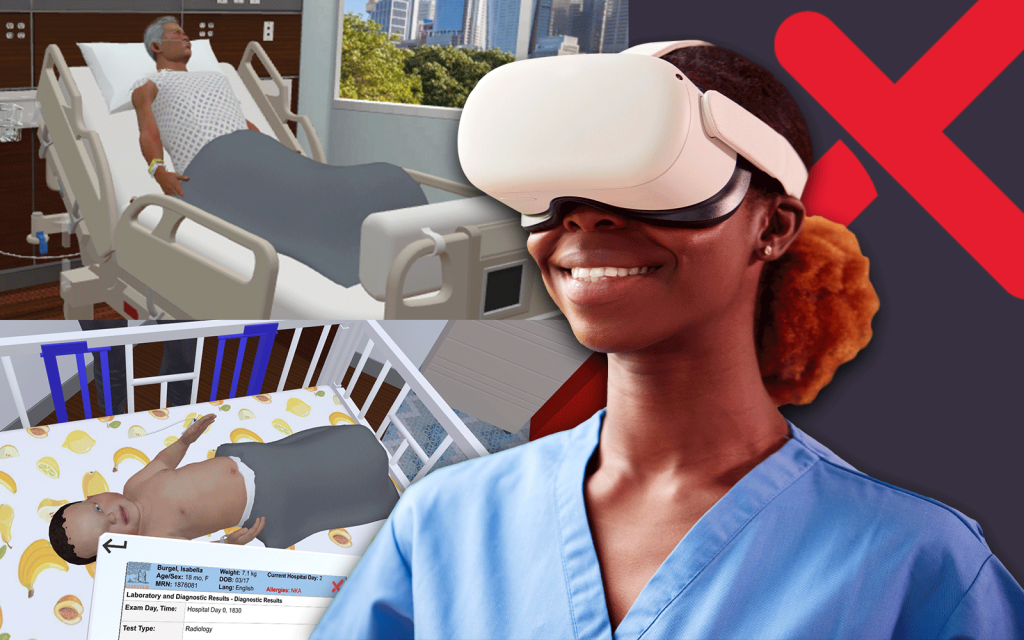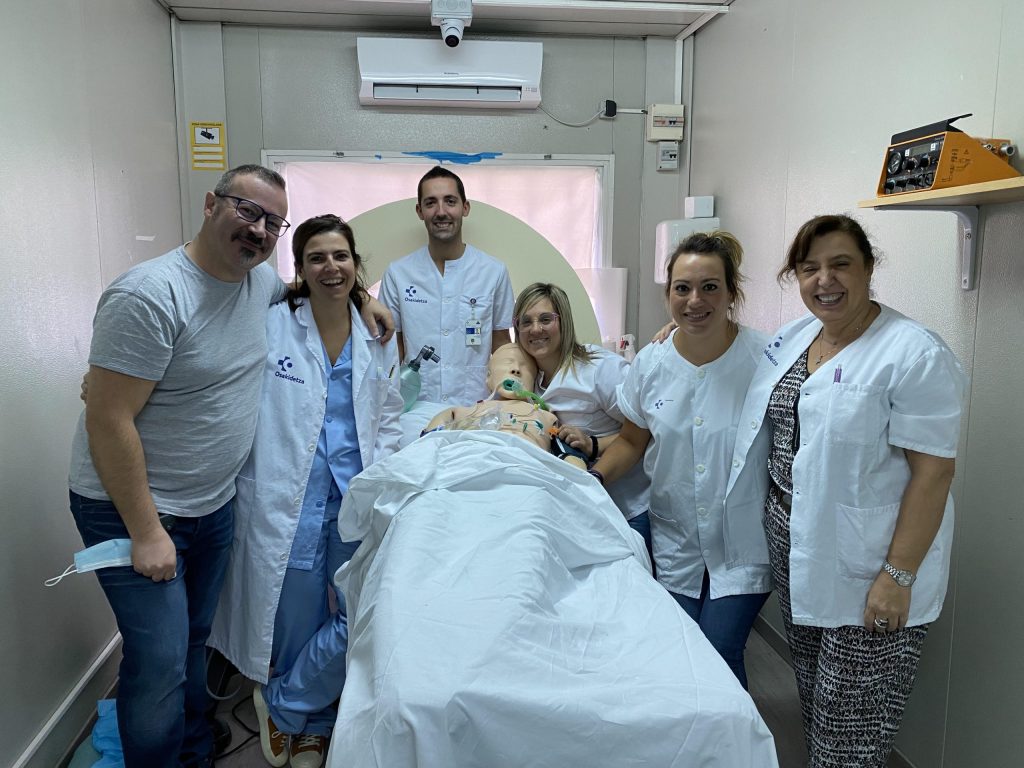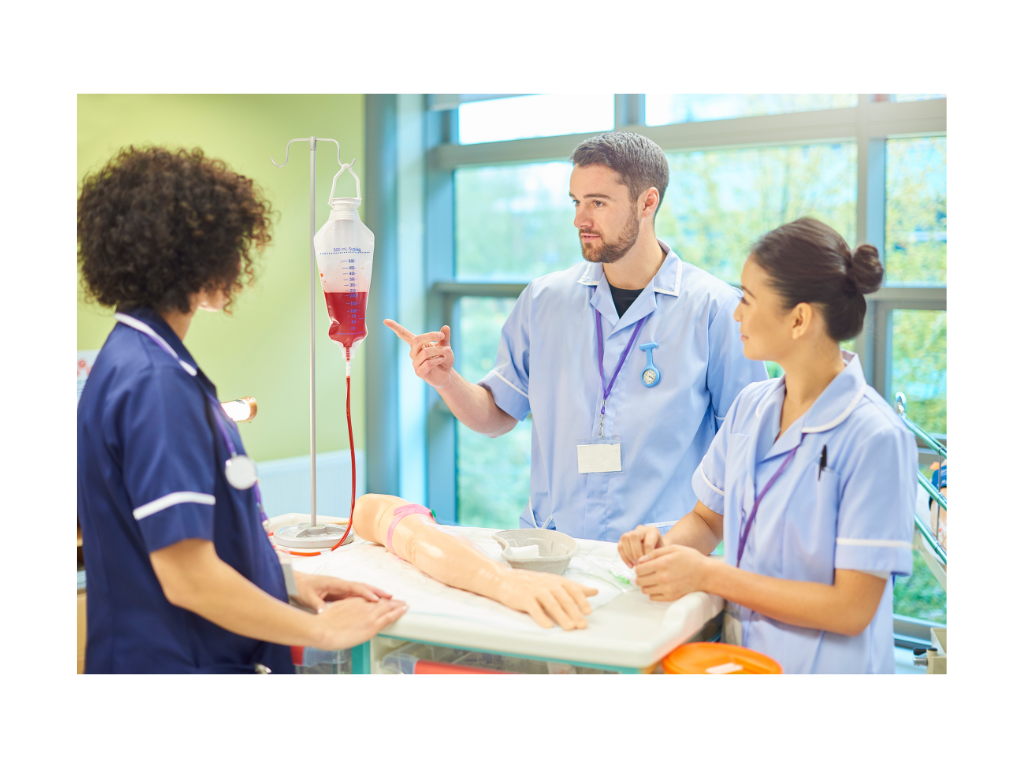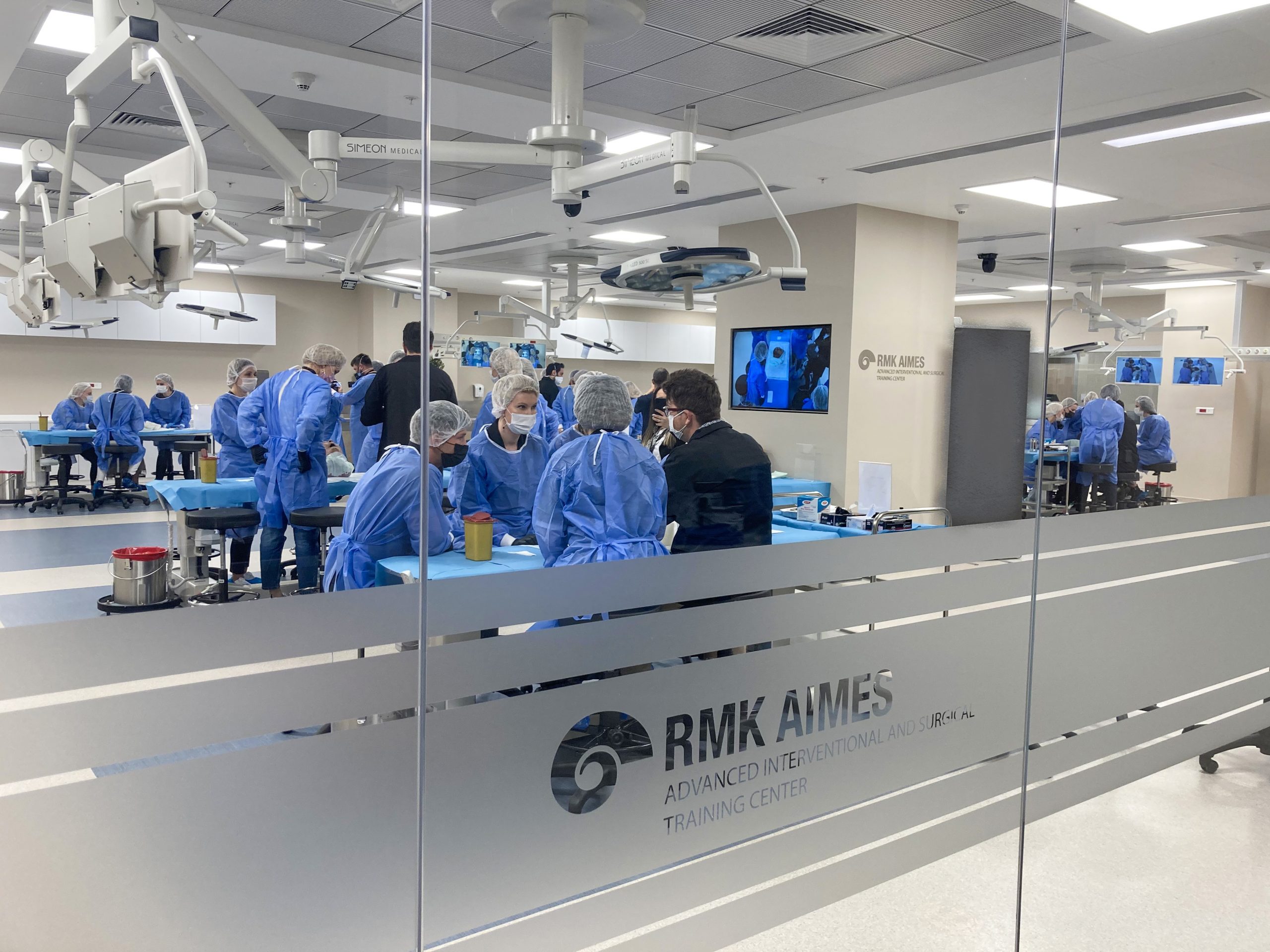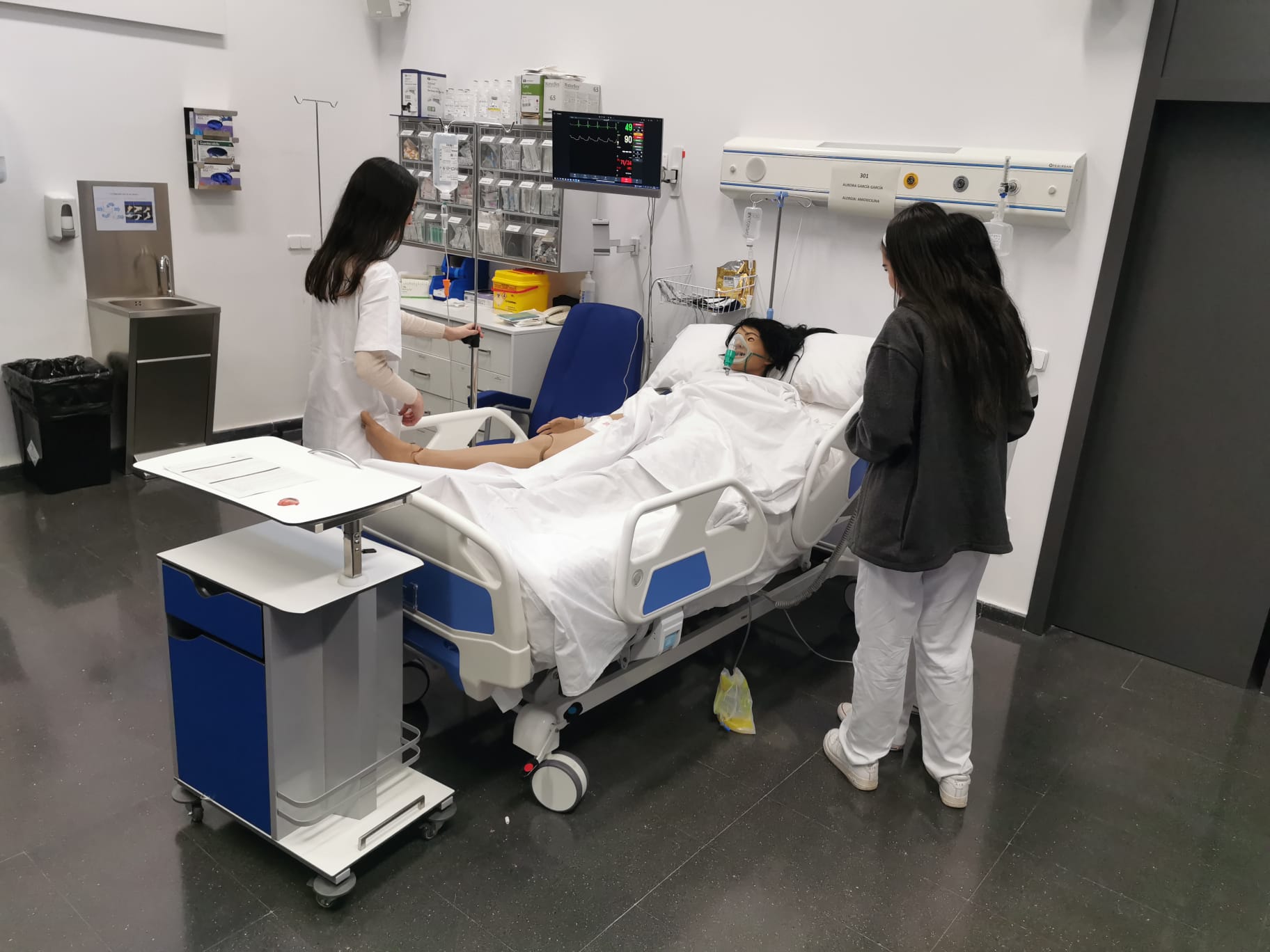









There is one topic that we in healthcare simulation are beginning to discuss more and more often, yet on which data remain scarce: how sustainable, from an environmental point of view, is the way we work? Manikins switched on for hours, single-use materials, travel to reach centres and conferences: simulation, although a fundamental tool for patient safety and training, is not free from an ecological impact. But how aware of this are we, as professionals in the field, and how far does that awareness really translate into everyday behaviours?
To answer these questions, Global Sustainability Mindset in Healthcare Simulation: An International Survey on Knowledge, Attitudes, and Practices (KAP) of Healthcare Simulation Professionals has been launched, a new international study promoted by the Centro Cantonale di Simulazione (CCSim) [Lugano, Switzerland], by SIMNOVA, Università del Piemonte Orientale [Novara, Italy] and by the Department of Cardiac, Thoracic, Vascular Sciences and Public Health of the Università degli Studi di Padova [Padua, Italy].
Why a study on the Value-Action Gap
The ecological transition of simulation centres does not depend only on the energy efficiency of the facilities, but to a decisive extent on the everyday behaviours of the people who work in them. The literature on sustainability in healthcare often describes a phenomenon known as the Value-Action Gap: the discrepancy between stated environmental concern and the actual adoption of pro-environmental behaviours. To date, however, there are no global-scale data describing the “culture of sustainability” within the healthcare simulation community: we do not know whether technicians, instructors and directors have different levels of awareness, nor which psychological or organisational factors encourage, or hinder, the adoption of good practice.
The aims of the research
The study, designed as a cross-sectional observational investigation delivered through an anonymous web survey, sets out to:
- assess levels of Knowledge, Attitude and Practice related to environmental sustainability in an international sample of healthcare simulation professionals;
- analyse the association between professional variables (role, years of experience, geographical area) and the sustainable behaviours adopted;
- measure the Value-Action Gap in concrete terms, comparing the importance attributed to the climate issue with the frequency of virtuous behaviours actually put into practice;
- identify the perceived barriers [lack of time, of infrastructure, of institutional support] that hold back the adoption of more sustainable practices.
The questionnaire, developed ad hoc and validated by a panel of experts, also explores how professionals perceive the environmental impact of artificial intelligence applied to simulation, an increasingly topical issue in our field.
How to take part
The target of the study includes all professionals active in healthcare simulation: technicians and sim specialists, instructors/faculty, directors and coordinators, administrative staff. Completing the questionnaire, which is entirely anonymous, takes about 10 minutes and it is available at this link:
The study, which aims to gather a genuinely representative sample at international level, is also being circulated through the channels of the leading scientific societies in the field. An important contribution that every professional can make is not only to complete the survey, but also to share it with colleagues and with their own professional network.
The aggregated and anonymised results will help to shape future international guidelines for a more sustainable healthcare simulation, a concrete step towards understanding not only what we think about sustainability, but what we actually do to bring it about.
For information about the study: Prof. Alice Monzani, SIMNOVA, UPO <alice.monzani@med.uniupo.it>
👉 Take part in the study here: survey.uniupo.it
🕒 Duration: 10-15 minutes
🛡️ Completely anonymous
DECLARATION OF THE USAGE OF AI
Generative AI was used to support linguistic editing and improve the clarity of the text. All ideas, content, and conclusions are original.
READ ALSO