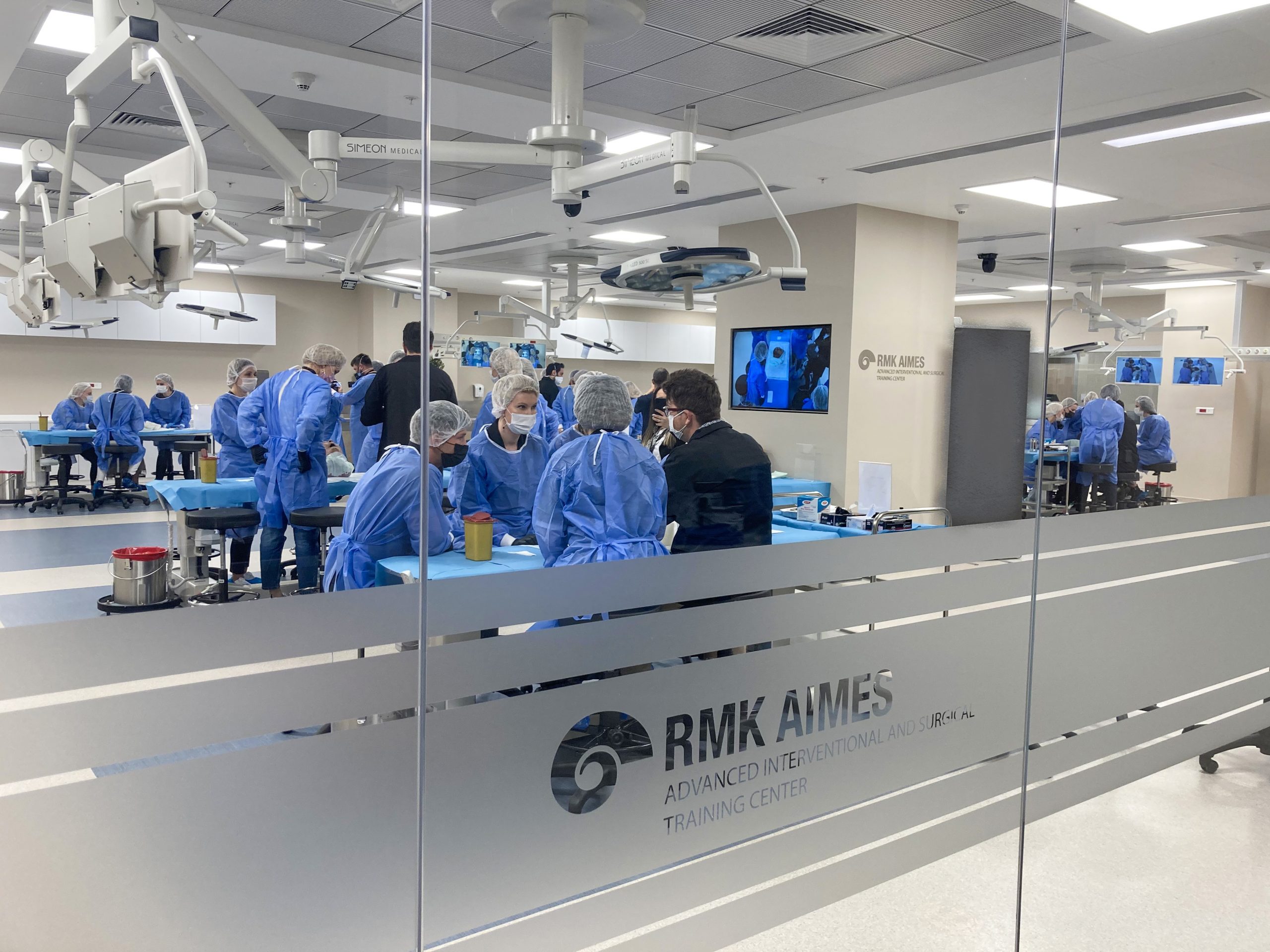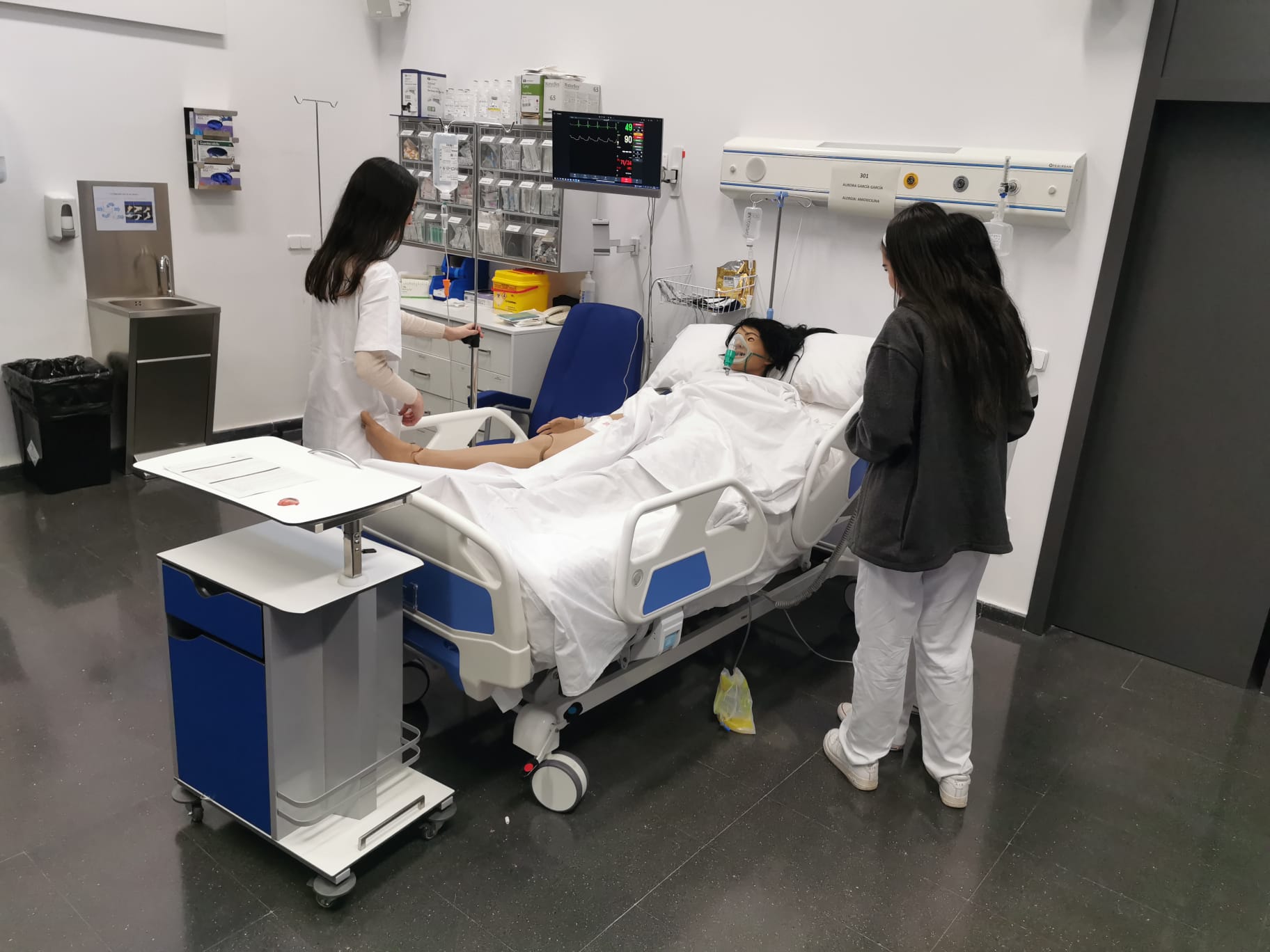







Mario Arturo Luna, a physician and specialist in occupational health and safety, argues that simulation centers suffer from technical, operational, and educational vulnerabilities that can compromise the validity of training and patient safety. He proposes the Secure SimLab Framework, a set of three principles designed to address these vulnerabilities, ranging from network segmentation to scenario validation checks.
Clinical simulation has revolutionized medical education, but our implicit trust in high-fidelity simulators has created a critical oversight: we treat SimLabs as inherently secure environments, ignoring architectural and operational vulnerabilities.
A personal revelation in the SimLab
As a physician and Occupational Health and Safety (OHS) specialist, I classify any environment where system failure induces real-world harm as a Safety-Critical System. During a simulation of anaphylactic shock, a high-fidelity mannequin suddenly stabilized without clinical intervention. Treated as a routine “technical glitch,” it revealed a deeper risk: if a simulator fails unpredictably, can it be manipulated? Unreliable training scenarios directly compromise the validity of clinical certification.
The paradox of neglected security
Modern simulators are networked robotic systems reliant on embedded operating systems and wireless data exchange. Yet, the field operates under three flawed assumptions:
Isolation
Assuming SimLabs are air-gapped from hospital networks.
Implicit Trust
Assuming command packets are authentic and secure.
Non-Criticality
Viewing simulation as “just training” rather than a clinical asset.
A multi-factorial risk analysis
- Technical vulnerabilities: A high-fidelity simulator works as a miniature Industrial Control System: the Instructor Console issues digital commands and the mannequin executes them. Unlike regulated industrial settings, SimLabs often lack basic defence layers. Simulators are frequently placed on flat networks or Virtual Local Area Networks (VLANs) shared with other educational or administrative devices, so an attacker who compromises any one of them can observe simulator traffic. The architecture also assumes implicit trust: a command coming from the console is considered legitimate, with no verification of its source or integrity. Commands travel over proprietary, closed-source protocols that are generally not encrypted. A standard network sniffer is enough to capture the packets, and correlating the instructor’s actions with the traffic patterns allows an attacker to map which data sequence controls which physiological response, without deep reverse engineering. This is classified as a high-severity, high-likelihood vulnerability, since it requires only access to the local network. Unsegmented networks also allow attackers to pivot into core hospital systems such as Electronic Health Records (EHR).
- Operational & human factors: Participants perform under high stress while being observed and evaluated. Learning and honest error management depend on psychological safety, the shared belief that the team is safe for interpersonal risk-taking. When it is low, learners engage in defensive behaviors: they withhold information, avoid necessary high-risk actions and, during debriefing, refuse to admit errors or attribute them to a “glitch”. Humiliation or severe stress can also cause negative transfer, linking an emotional trauma to a specific clinical maneuver and leading to hesitation or avoidance in real practice. Operational failures add risk: instructors who are not uniformly trained in structured debriefing (instructor drift), inadequate briefing on the simulator’s limits, environmental distractions and inconsistent role players.
- Educational risks: Misaligned fidelity is the main design risk. Scenarios built to showcase high-tech features rather than a single measurable learning goal cause cognitive overload; scenarios centered on rare events leave learners underprepared for common emergencies; unscripted role players make performance data unreliable. Design flaws can also teach unsafe practice: time compression may lead learners to skip safety checks to keep pace, an undefined standard of care makes assessment subjective, and scenarios without closure leave errors uncorrected. The cumulative result is a professional validated against a faulty measure, with a higher probability of patient harm.
1. Technical Vulnerabilities
Simulators often use unencrypted, cleartext protocols. Unsegmented SimLab networks allow attackers to intercept traffic or pivot into core hospital systems like Electronic Health Records (EHR).
2. Operational & Human Factors
Technical instability and unstandardized debriefing destroy psychological safety, forcing learners into defensive behaviors during debriefing.
3. Educational Risks
Inaccurate responses cause negative learning transfer, embedding unsafe practices into muscle memory that directly impact real patient care.

The solution: the Secure SimLab Framework (SSF)
The Secure SimLab Framework (SSF) is a set of standards that targets the three risk vectors described above and goes beyond isolated cybersecurity fixes, covering technical, procedural and human governance. It rests on three principles.
Principle 1, Technical Integrity and Security-by-Design, requires that all SimLab equipment operate on a dedicated, isolated VLAN, physically or logically separated from the hospital’s administrative, clinical and patient networks, so that it cannot serve as a pivot point. In procurement, vendors must demonstrate minimum security standards: standard cryptographic protocols (such as TLS/HTTPS) between console and mannequin, robust authentication in place of default credentials, and transparent patching and vulnerability disclosure. SimLab systems must also enter the hospital’s IT asset register and follow regular patching cycles.
Principle 2, Operational and Human Factor Governance, requires mandatory training for all debriefers in psychological safety and non-judgmental techniques, such as Debriefing with Good Judgment. It also introduces a documented scenario handover for preparation, setup and teardown, similar to a pre-operative checklist, which includes a fidelity check, a protocol review and an access control audit.
Principle 3, Scenario Integrity and Validation Audits, requires that every new scenario be vetted by a multidisciplinary team before use in high-stakes assessment or critical training. The alpha test is a technical run-through; the beta test is an educational run-through with experienced, non-participating clinicians, checking for cognitive overload, time compression and ambiguity in the standard of care. Scenario design must document the level of fidelity needed for each learning objective, and a formal feedback loop must collect and act on reports of scenario flaws, technical glitches and operational failures.

Moving forward
Securing and evaluating simulation centers is not merely an IT upgrade or an administrative burden; it is an ethical imperative. If patient safety truly begins in the simulation lab, then the integrity of our training environments must be absolute. By bridging the gap between clinical simulation, industrial safety, and system security, we can elevate our Simulation Centers into resilient, trustworthy centers of excellence, safeguarding both the learning journey of healthcare professionals and the safety of the patients they will treat.
Declaration on the use of AI: Generative AI was used to support linguistic editing, structure organization, and improve the clarity of the English text. All core ideas, conceptual frameworks, clinical/OHS analysis, and conclusions are original to the author.
READ ALSO