






Fabiola San Martín León proposes a methodological architecture that connects the problem to be addressed, the designed experience, the evidence collected and the decision, so that what is learned in simulation reaches practice and health systems.
We can have a full centre, extraordinary technology and highly realistic scenarios without knowing what changed afterwards. The challenge no longer lies only in reproducing practice: it lies in ensuring that practice learns from what we simulate. What happens when the scenario ends, the cameras are switched off and the participants return to their own settings?
In my reflections on the development of simulation centres, I have argued that their real strength does not lie in the sum of rooms, simulators or activities. It lies in the way these pieces relate to one another to address concrete needs. I propose calling the deliberate design of these relationships the methodological architecture of simulation: a structure that connects what we need to transform with what we do, observe, decide and evaluate again.
Designing connections, not accumulating activities
Methodological architecture is not a new standard, a validated model or a label for describing facilities. It is a design and management proposal that links seven inseparable decisions:
- the problem we want to address;
- the competencies or processes that need to improve;
- the experience we design;
- the people who make it possible;
- the operational conditions needed to sustain it;
- the evidence we will collect; and
- the use of that evidence to decide and improve.
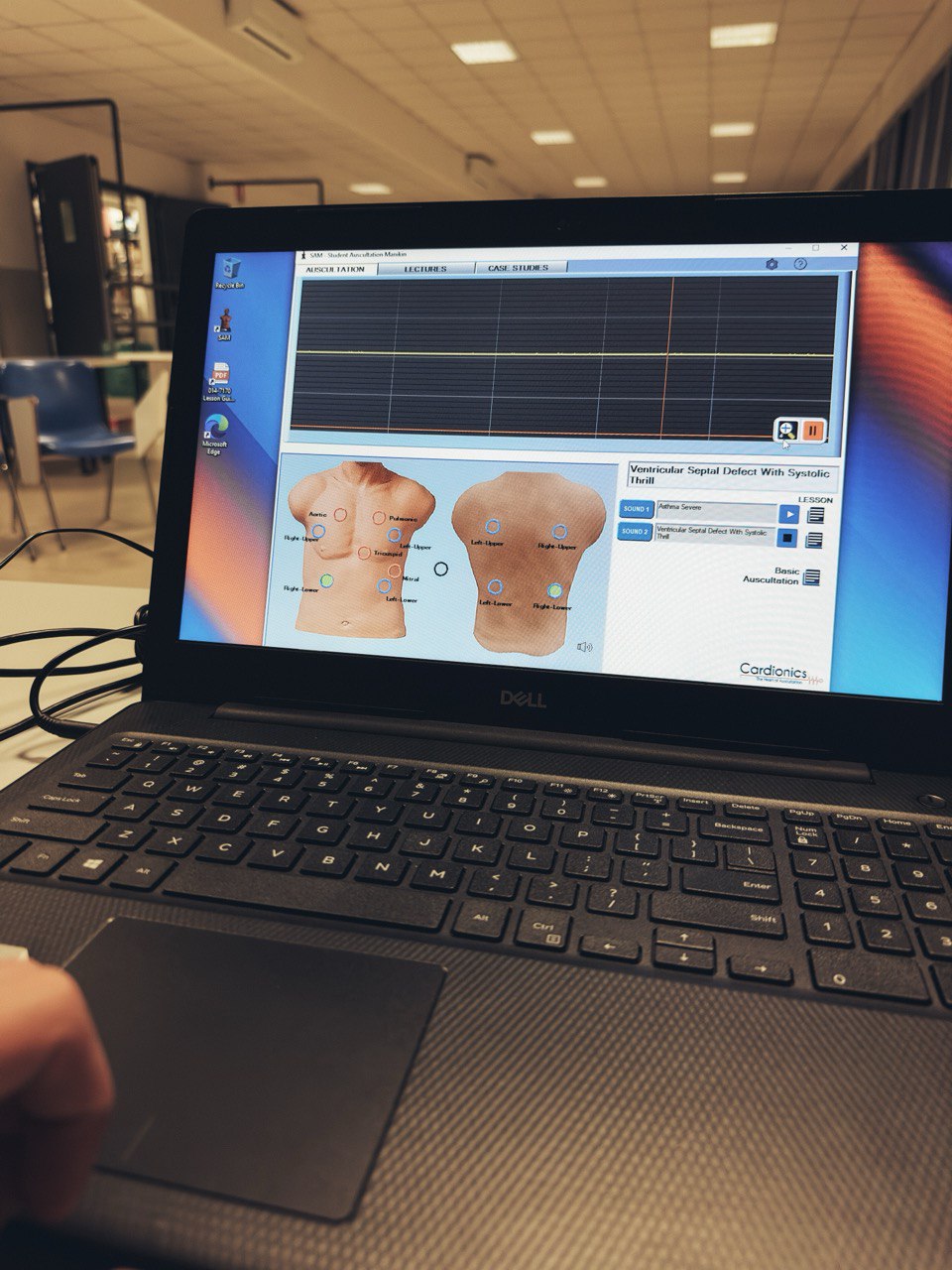
Order matters. We should not begin with “what do we do with this simulator?” but with “what problem do we need to understand or change?”. Only then do we choose objectives, modality, participants, level of fidelity and resources. Fidelity is not a technological trophy: it is a decision about which dimensions of reality need to be represented in order to achieve a purpose.
Operations teach too
A sound architecture requires continuity between the academic and the operational. Curricular objectives must be in dialogue with the scenarios, prebriefing, facilitation, debriefing and assessment; but also with scheduling, workflows, safety, maintenance, availability of materials and preparation of equipment. If these dimensions are planned separately, simulation ends up depending on individual efforts and loses consistency.
For this reason, a cross-disciplinary centre does not simply mean sharing rooms between different degree programmes. It means creating the conditions for a methodology that is relevant, safe and assessable, capable of integrating disciplines, training levels and, where appropriate, clinical teams. The standards of INACSL and ASPE offer essential references for the design of experiences and for working with simulated participants [1,2]; methodological architecture seeks to connect them with concrete institutional decisions.
Two levels of learning in one scenario
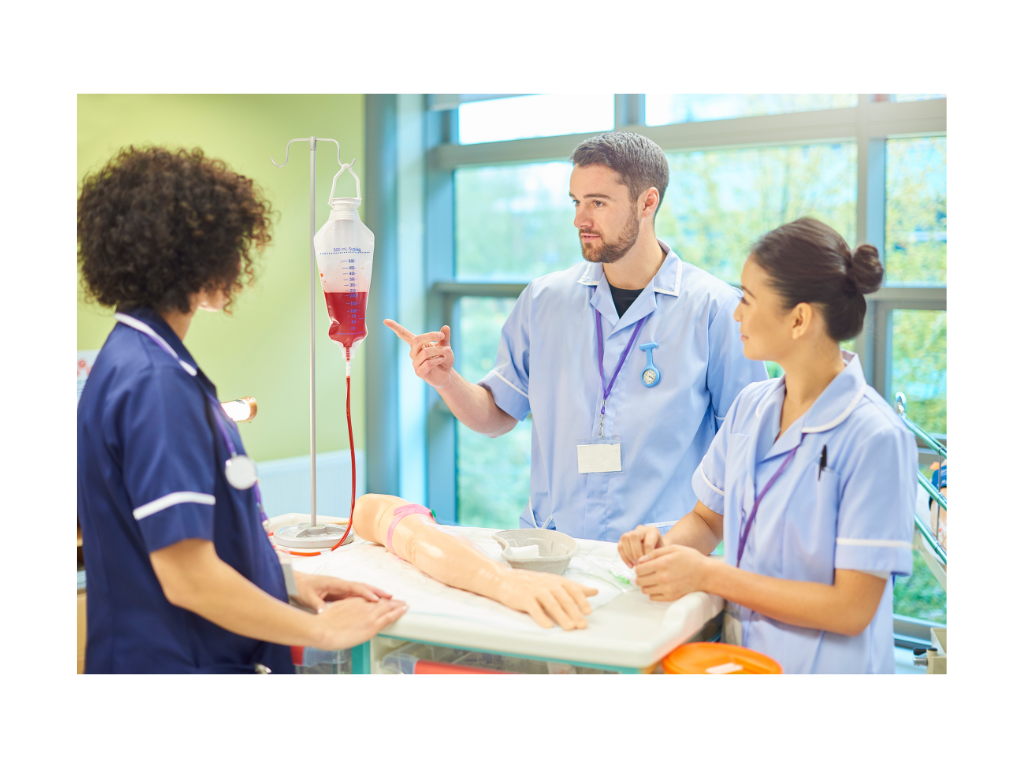
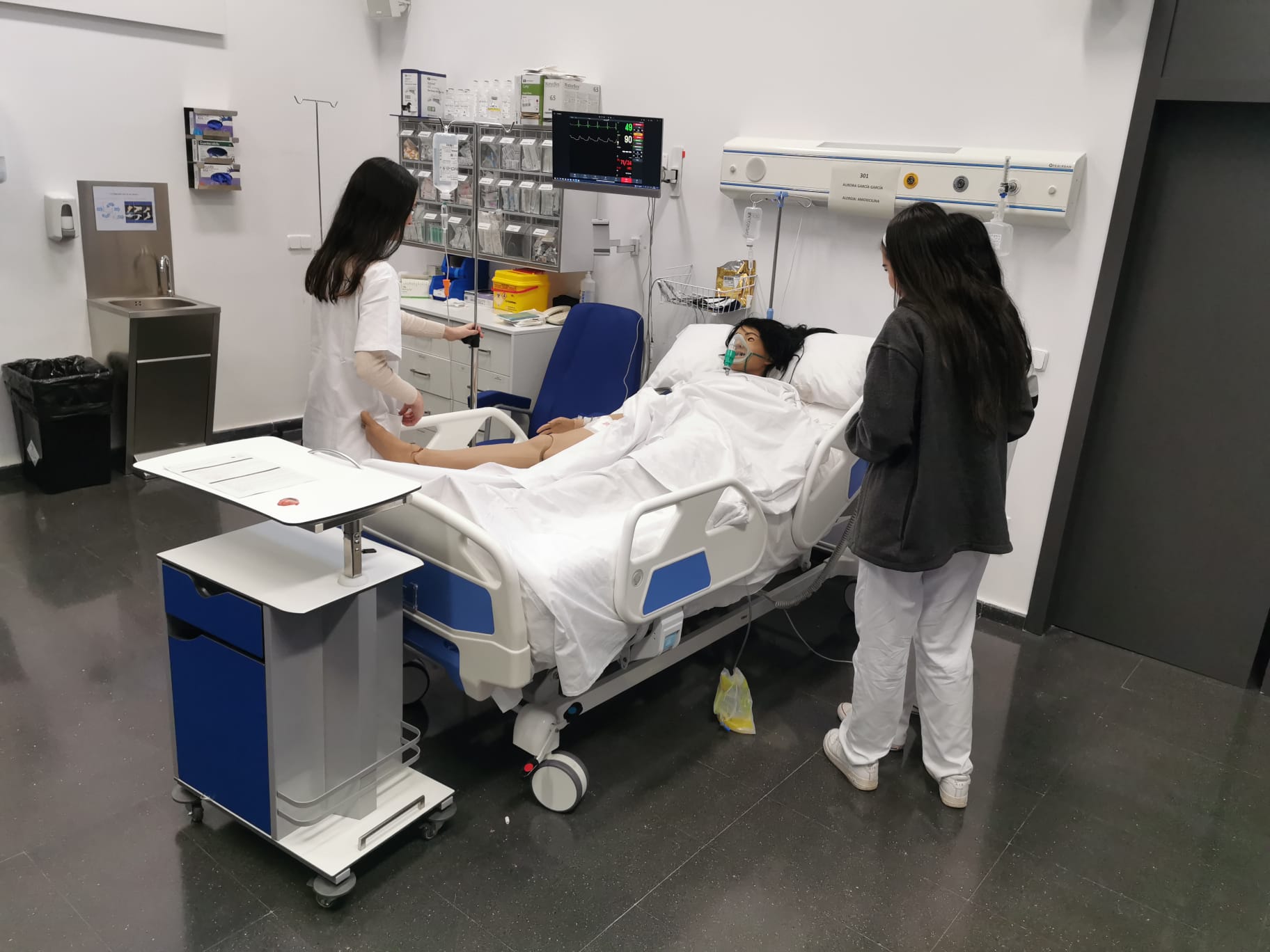
Consider a clinical deterioration scenario: the team is slow to recognise signs, communication becomes fragmented and a critical supply is missing. At a first level, simulation reveals opportunities to improve competencies. At a second level, it shows weaknesses in the system: pathways, roles, resource provision or protocols. If we only train people, we leave part of the problem untouched. If we only modify processes, we may overlook training needs. The architecture must allow both readings.
This dual approach connects simulation-based education with simulation aimed at safety and organisational improvement. Not every finding is solved with another course: some require management decisions. The global consensus on simulation-based practice invites us precisely to extend its contribution beyond training activity [4].
The feedback loop: from finding to decision
I propose incorporating a feedback loop into every programme: identified need, designed experience, collected evidence, accountable decision and new verification. The last connection is decisive. Without it, the finding remains in a report; with it, it can become institutional learning. This loop does not guarantee results or causality, but it makes visible who must act and how the change will be verified.
Activity indicators (occupancy, sessions and participants) serve to manage capacity, not to infer impact. We must complement them with evidence of competence, performance and processes, selected according to each objective. The literature on mastery learning describes outcomes that can be transferred to practice under certain conditions [3]. This does not mean that every simulation produces clinical change: evidence and its limits must be planned from the design stage.
From infrastructure to institutional capacity
Seen this way, the centre is infrastructure; simulation, on the other hand, can become an institutional capacity. That capacity requires governance, preparation of facilitators and simulated participants, safe operations, decisions grounded in evidence and mechanisms for sharing learning across units. It does not depend exclusively on size, budget or the fidelity of the equipment.
Before planning square metres or buying technology, I would ask: what educational, clinical or organisational problems do we want to be able to address over the next ten years? Who will use the findings? What mechanisms will make it possible to learn from them? These answers should guide the architectural project and not appear after its inauguration.
Perhaps the next advance in simulation is not making the scenario ever more realistic, but building ever more effective connections between experience and the real world. The decisive question is not how closely our simulation resembles reality, but how far we are able to transform that reality through it.
1. INACSL Standards Committee. Healthcare Simulation Standards of Best Practice®. INACSL. Available at: https://www.inacsl.org/healthcare-simulation-standards
2. Lewis KL, Bohnert CA, Gammon WL, Hölzer H, Lyman L, Smith C, et al. The Association of Standardized Patient Educators (ASPE) Standards of Best Practice (SOBP). Adv Simul (Lond). 2017;2:10. doi:10.1186/s41077-017-0043-4.
3. McGaghie WC, Issenberg SB, Barsuk JH, Wayne DB. A critical review of simulation-based mastery learning with translational outcomes. Med Educ. 2014;48(4):375-385. doi:10.1111/medu.12391.
4. Diaz-Navarro C, Armstrong R, Charnetski M, Freeman KJ, Koh S, Reedy G, et al. Global consensus statement on simulation-based practice in healthcare. Adv Simul (Lond). 2024;9:19. doi:10.1186/s41077-024-00288-1.
READ ALSO