








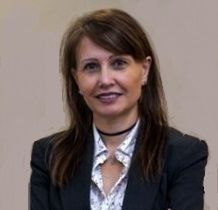
In this episode of SIM Moove, Fouad Marhar welcomes Laura Castillejo, head of medical simulation activities at Médecins Sans Frontières (MSF), to explore how simulation is designed and taken into the field in humanitarian settings: limited resources, difficult access, international teams, and a new concept, the “simulosophist”, to reflect on how the values of simulation carry over into clinical practice.
A SIMZINE exclusive based on episode #22 of the SIM Moove podcast with Laura Castillejo, head of medical simulation activities at Médecins Sans Frontières
One team, one project, almost eight years of Field Simulation
Laura leads a team of simulation-trained professionals who share, she says with a smile, the same passion, or obsession, for this methodology: creating simulations, implementing them in the field and passing on their values and ethics. It all began in 2018, when her colleague Marta Iscla launched MSF’s simulation project, which in almost eight years has grown from the medical side to logistics and security. At first a single person trained in Spain travelled to the field to share the method; teams liked it a lot, because MSF never lacked practice, but framed and structured simulation was not a common approach. The Field Simulation project was born to change that, bringing structured simulations to the field so that teams can see results and share the value of patient safety.
Before opening: simulating a service to test it
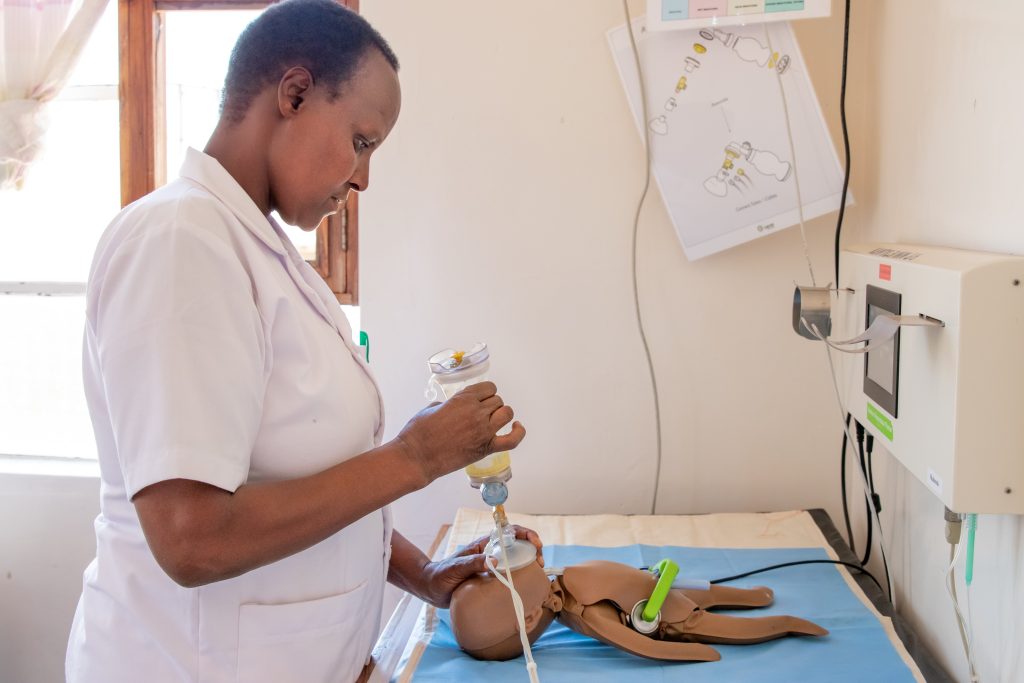
Among the most concrete examples is Burkina Faso, in Bobo-Dioulasso, where the project planned to open new services: paediatrics, neonatology, maternity. The team designed a plan and the resources needed, then used simulation to improve processes, train teams and test the new services before opening, to make sure they were safe for patients. Fouad sums up the approach in three moves, confirmed by Laura: simulate local resources before they arrive, train teams in care, and finally use simulation to maintain competence and leave behind competent people. Another case mentioned is Afghanistan, a difficult setting with a very large hospital, where eight people can implement simulation and share their knowledge with colleagues.
Low-tech does not mean low-quality: the facilitator replaces the computer
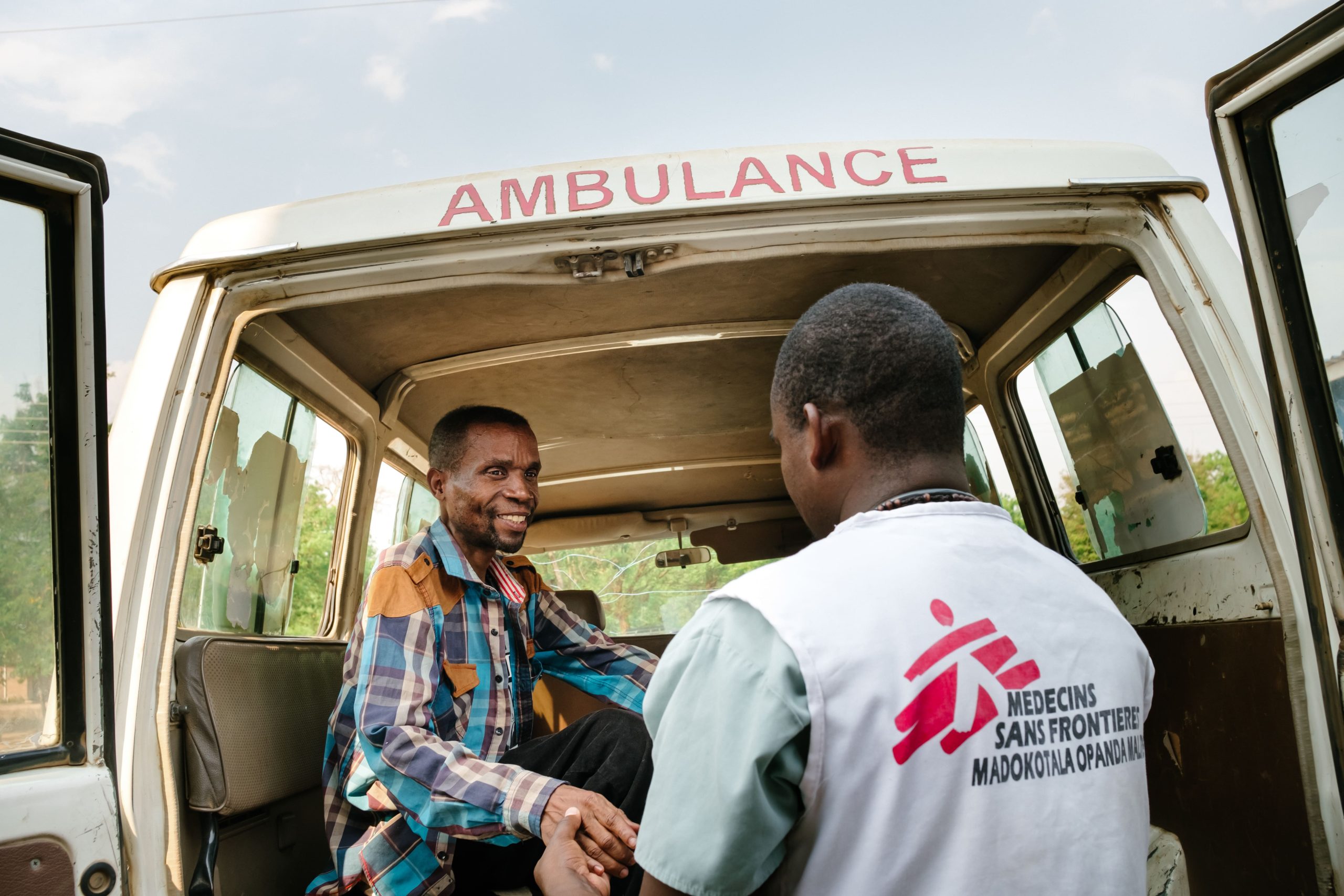
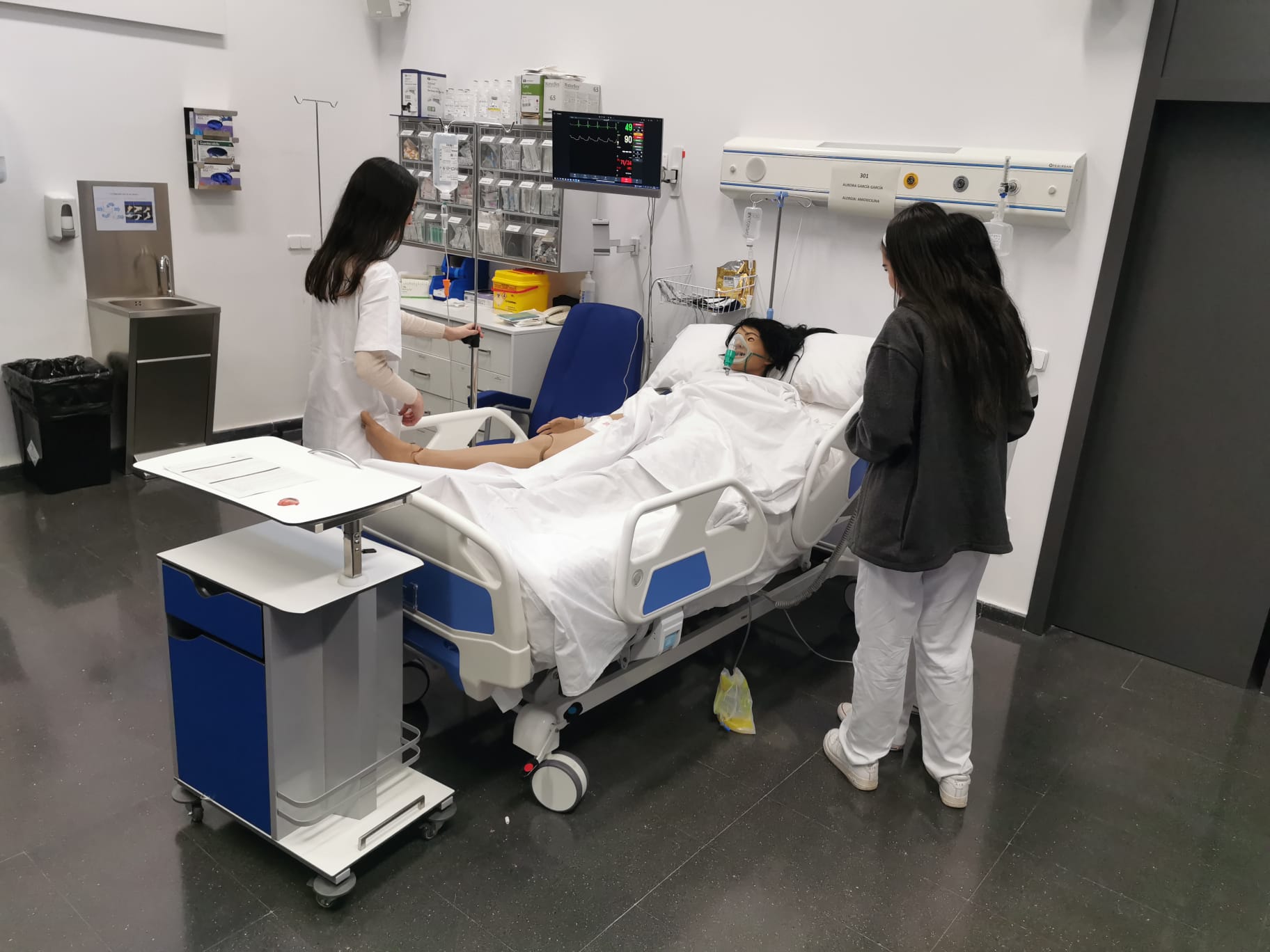
In the field, there is no high fidelity. There are manikins, but without computers to control them, and everything has been adapted within the Field Simulation framework: scenarios follow the complexity of the context, where the tools of a high-fidelity centre are not available. The key role therefore shifts to the facilitator, who supplies the information the manikin cannot give. The briefing grows in importance too: the fiction contract is partly “broken” from the start, because the technology is missing, which is why a clear, good prebriefing becomes essential.
The Train-the-Trainer: five days, zones 0 to 4, and an online component
A Train-the-Trainer at MSF normally lasts five days and is based on the Sim’One Framework, from zone 0 to zone 4, with hands-on practice of scenarios. Alongside it sits an online component: MSF has online simulation courses, which the Field Simulation project expanded with new modules this year, and participants are asked to follow them before the in-person session. The method, however, bends to circumstances: if teams do not have five free days, they train for two days on zones 0 and 1 and come back later for more advanced levels. Medical referents in Brussels or Paris are also trained, so they can use simulation during their field visits.
When the field cannot be reached
Not every profile can go everywhere: in Somalia, for example, not all nationalities can enter, and in some emergency projects teams are limited in size. In these cases support is provided online. The set-up stays flexible organisationally too: the simulation team passes on the methodology, while in each project it is the project manager, the medical lead and the coordinator who decide what they need, with the team in a supporting role. Laura reports very positive feedback from teams, because simulation changes the culture of care and the dynamics of work. For now there is no recruitment need, but MSF is looking at broader use of simulation, particularly for emergencies.
The profile of a humanitarian simulation leader
Asked by Fouad how to recognise a simulation leader in the humanitarian field, Laura’s answer is clear: someone trained in simulation with some experience of the humanitarian world, so they know the context and can design suitable scenarios. Simulation applies across many areas, from people’s safety to staff development, from logistics to innovation, and each area has its own specificity: you have to know it, or integrate with the teams working in it, to create something that genuinely helps improve things.
The simulosophist: from the simulation room to professional life
In March, Laura, together with Carmen and Griselda, wrote a paper on the concept of the simulosophist. The idea goes beyond simulation itself: in the room, people share values, an ethic, a way of speaking, but outside the room the dialogue often changes. The question is how to maintain coherence and transfer those values to patients and colleagues. In Laura’s definition, it is a professional who, in the room, shares values and practices around ethics and patient safety, and then transfers them coherently into everyday practice, in a health centre or clinic, across their different professional roles.
Three questions to find out whether you are one
Fouad puts himself to the test. First question: what did you feel in your first simulation as an educator? For him, a trainee afraid of not being legitimate, seeing at the end of the day the smiles of people heading off to their next clinical interaction was exhilarating, far more powerful than a PowerPoint lecture. Second: does what you learn in the room transfer to the clinic? Not always, he admits, but in terms of behaviour he tries to be the doctor he designs when he builds a programme, sometimes feeling stronger on the manikin than on the patient. Third: has simulation helped you progress? Yes, because it turns attention to the human factor and cultivates a growth mindset, as with people who become very good at non-technical skills, such as delivering news of a death with empathy. Laura’s conclusion: “you are a simulosophist, you inhabit simulation.” Can an institution be one too? Perhaps not an entire hospital, but a team or a service, yes.
The closing message: believe, and give it time
In her closing words, Laura leaves a message about time: when you implement and share all this value, you have to believe in it, and believing takes time. She herself took time to believe in what she was sharing with learners. “Words have a lot of power”: if you believe, you pass it on to others, with an impact on learners but also on the safety and quality of care. Fouad sums it up this way: you must not pretend, and you must be patient. Laura adds that sometimes it is not just pretending, but sharing things you understand without having yet integrated them in yourself, which is exactly what the paper is about. Before the goodbyes, a note from Fouad: the podcast has passed 4,000 listens.
Full episode available in French on SIM Moove
READ ALSO









1 comment on “Zero Computers, Plenty of Trust: How Médecins Sans Frontières Brings Simulation Where No Centre Can Reach”
Super discussion
MSF and humanitarian organization in general are amazing inspiring sources for sim community