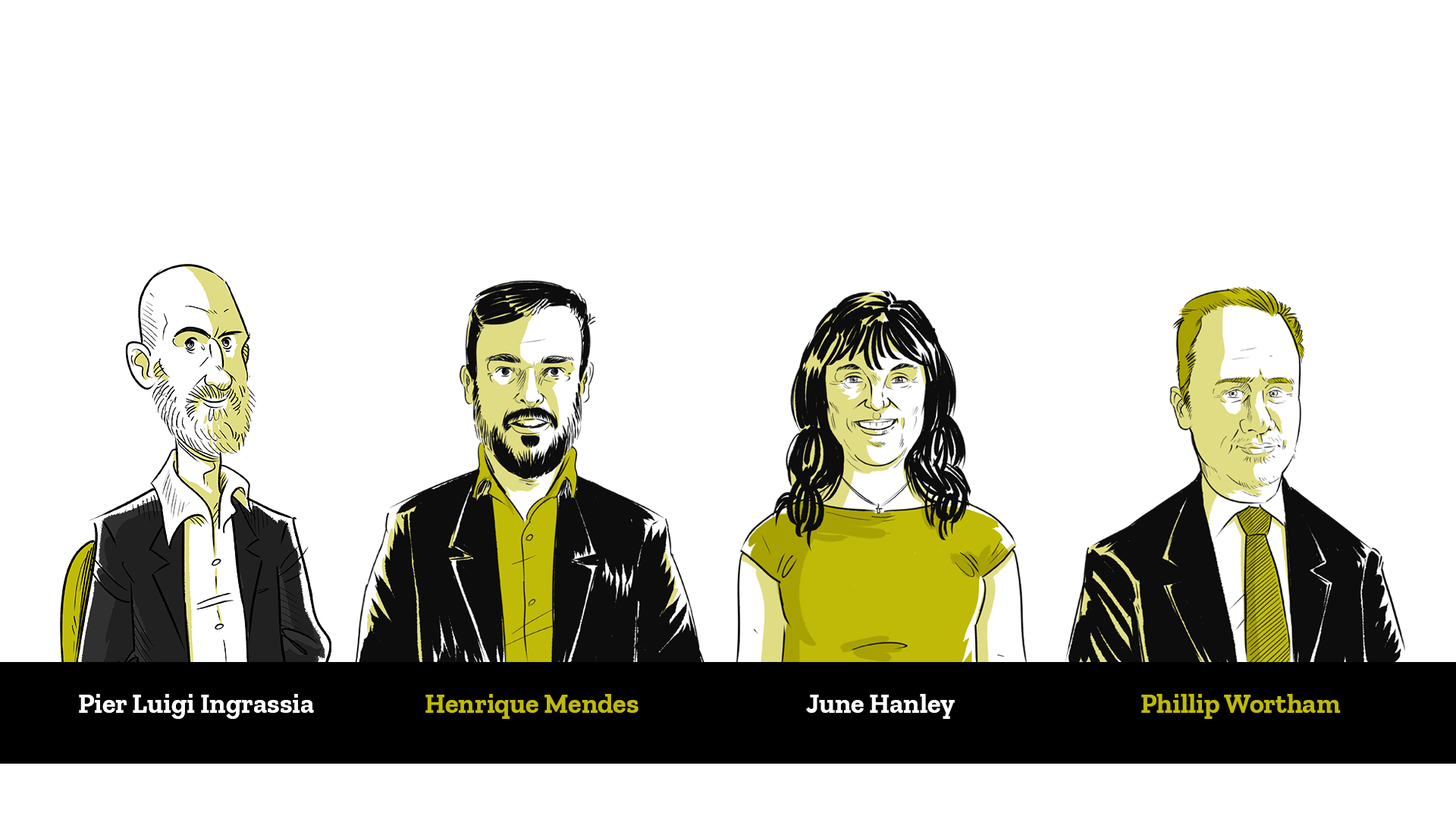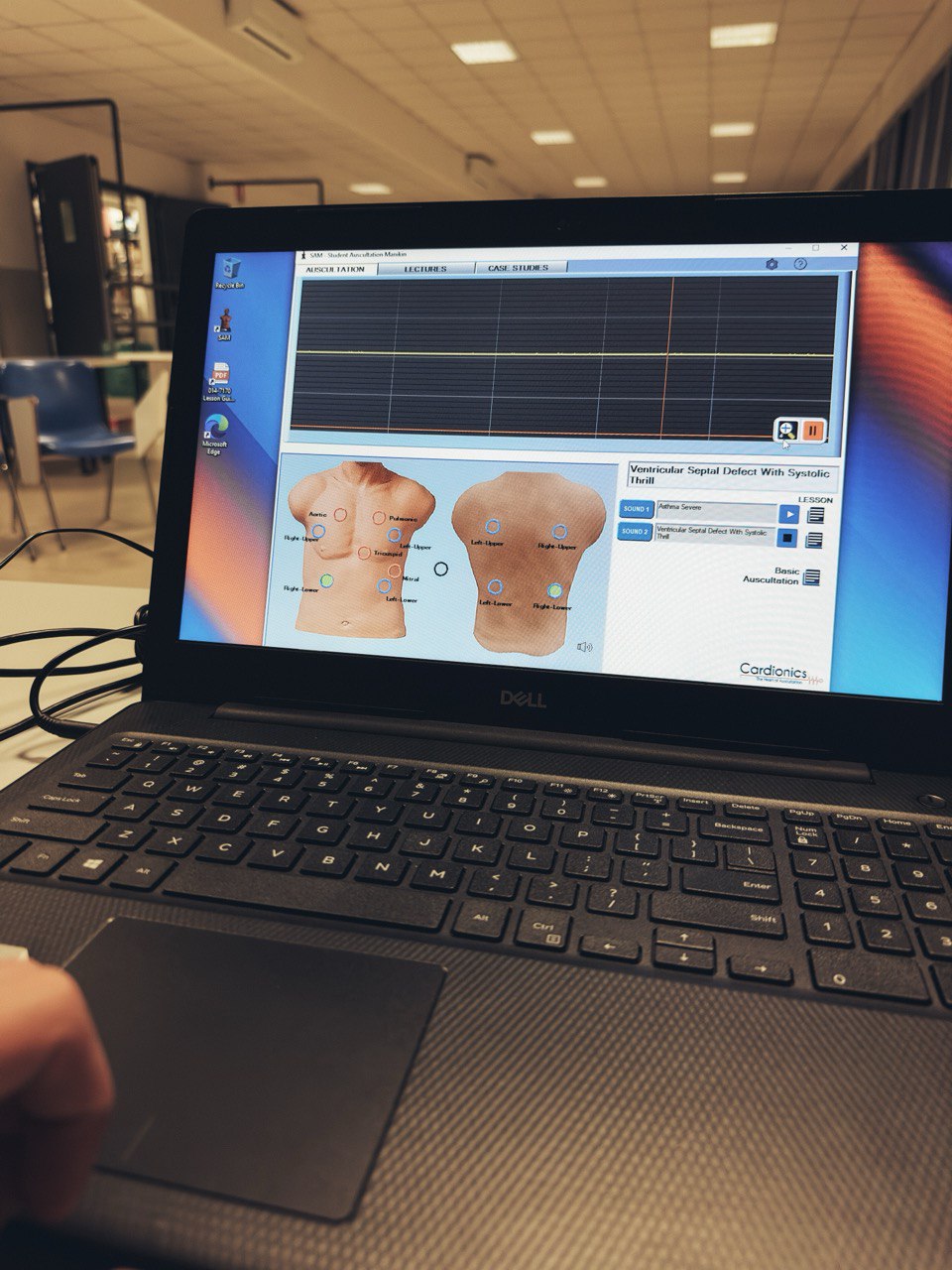









In this episode of SIM Moove, Fouad Marhar welcomes Gary, a nurse anesthetist turned social psychologist and expert in game-based pedagogy, to bring clarity to the difference between game-based learning, gamification and serious games, and to work out where play genuinely strengthens learning in simulation, and where it risks undermining it.
A SIMZINE exclusive based on an episode of the SIM Moove podcast with Gary, nurse anesthetist and social psychologist specialising in game-based pedagogy
From a debrief gone wrong to a master’s degree in game science
Gary’s path to game-based pedagogy is very much his own. Trained as a nurse anesthetist, he started out like many colleagues in emergency-skills training before moving quickly into simulation. During the debrief of an obstetric-emergency simulation, an emergency physician in the room refused to be debriefed “by a nurse”: that episode set him on a path into social psychology (group dynamics, cognitive biases) and eventually into a master’s degree in game science. Today Gary uses play as a tool, not a magic fix: “play is a great tool, but it’s not a magic tool,” he reminds listeners early on.
Game-based pedagogy, gamification, serious games: the definitions that were missing
The episode’s most useful contribution is arguably terminological. Game-based pedagogy (ludopédagogie) is the umbrella term: using play, or individual game elements, to convey a pedagogical objective. Underneath it sit different realities: the serious game, a game built specifically to teach (whereas “pure” play has no end goal, you play simply to play), and gamification, adding a playful veneer (points, leaderboards, the music of a TV quiz show) to an activity that isn’t a game at all. To help get one’s bearings, Gary offers the image of a slider: the closer you move it toward clinical reality, the closer you are to pure simulation; the further you move it away, the closer you are to pure play. Game-based pedagogy lives precisely in the grey zone between the two extremes.
The hidden cost of play: cognitive load
Adding a playful frame is never free. Every extra layer of reality, the debrief’s, the simulation’s, and now the game’s, stacks on top of the others and has to be managed by the learner, who at the end of the session also has to step back out of it and return to their professional reality. For Gary this carries an unavoidable cognitive cost: some learners throw themselves into the game with such enthusiasm that they struggle to “land” afterwards, while others reject it altogether and stay on the sidelines. This yields a first practical rule: if the objective is technical (a gesture, a procedure), it’s better to stay within the learner’s professional reality and rely on classic simulation; play earns its keep mainly on non-technical skills (communication, hierarchy, teamwork), where it helps flatten social barriers and put everyone on equal footing.
The shared roots of play and simulation, from manikins to debriefing
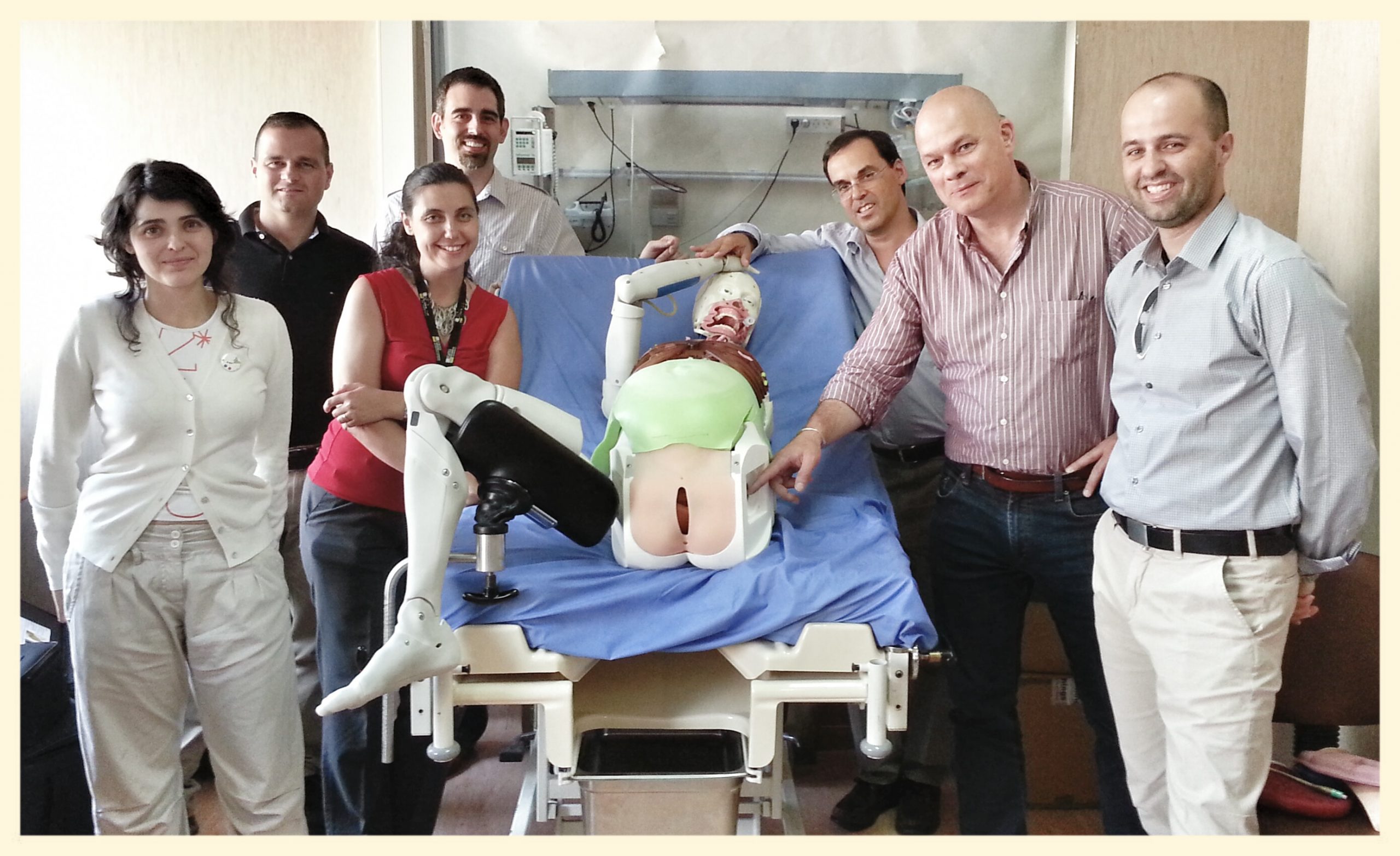
One of the most interesting passages concerns the shared history of play and simulation. The two hosts recall the “toy-making” origin of the first resuscitation manikins, born from collaboration between clinicians and toy manufacturers, and above all the origin of the three-phase debriefing model (description, analysis, application), first published in 1992 in Simulation & Gaming: a model that didn’t originate in healthcare at all, but from the debrief of a board game, Barnga, created to train people for cross-cultural teamwork. A lineage that, Gary and Fouad argue, shows a genuine “structural homology” between play and simulation, which is exactly why, in their view, there’s no need to reinvent a discipline when the foundations are already solid.
Motivation, reward and feedback: the pitfalls to avoid
Working through a gamified positioning quiz together, a “quiz on steroids” with a live leaderboard and points awarded partly for response speed, Gary identifies several common mistakes: rewards risk shifting motivation from intrinsic to extrinsic, actually switching off the people who were already motivated to begin with; the absence of a progress bar, and above all the absence of immediate feedback, makes play frustrating (“play without feedback is hell,” Gary repeats more than once) because, unlike clinical simulation where a monitor constantly feeds back information, in a poorly designed game-based activity learners can get stuck without understanding what’s expected of them, ending up focused on the “medium” (figuring out the rules) rather than the pedagogical objective.
SimCup and competition: community, yes, rivalry, with caution
The conversation then turns to simulation competitions such as SimCup. Gary acknowledges their community-building value, team spirit, a sense of belonging, but warns against excessive competitiveness: when group identity takes over (“us versus them”), attention risks shifting from the clinical objective to winning, and failures get attributed more readily to external causes (“they’ve got more resources”) than to internal ones, the only causes that actually transfer back into clinical practice (“we communicated poorly”). Both agree that the energy invested in preparing for a competition, if redirected into pure training without competition, would probably produce learners who go on to care for patients better, while acknowledging that solid research comparing the two doesn’t yet exist.
A “recipe book” for those with limited resources
Toward the end of the episode, Gary introduces the book he co-wrote with Alexandre Niguel, La ludopédagogie en santé, aimed not at large simulation centres but at independent trainers and nursing schools with limited resources: a collection of practical cards (Lego, Playmobil, Dixit, escape games) each matched to a specific pedagogical objective, so trainers avoid picking a game at random and “seeing what happens.”
The closing message: never play without a “why”
To close the episode, the two share a shared takeaway with listeners: playing just to play isn’t a problem, as long as it’s presented as exactly that, rather than passed off as a pedagogical activity. When the goal is genuinely learning, pedagogical intent must always come before the choice of game, never the other way round, and should be used sparingly: a touch of play here and there can lighten a training day, but overused or poorly calibrated, it risks undermining the very learning it’s meant to support. One final caution concerns sensitive topics, end of life, palliative care: play can work there too, but only in the hands of highly experienced trainers, able to debrief it with the same care they put into designing the activity.
Full episode available in French on SIM Moove
READ ALSO