








When simulation and public health converge, innovative opportunities emerge. We spoke with Dr Leah Greene, Head of Simulation, and Dr Anna Cooper-Ryan, Honorary Senior Lecturer (Public Health), both from the Faculty of Health, Community and Life Sciences, University of Salford in Manchester (UK), about how their work brings these two fields into dialogue.
Leah and Anna, welcome! Thank you for accepting the invitation to this conversation. We are delighted to learn about your vision, hear about your professional journeys, and explore your projects where simulation and public health intersect.

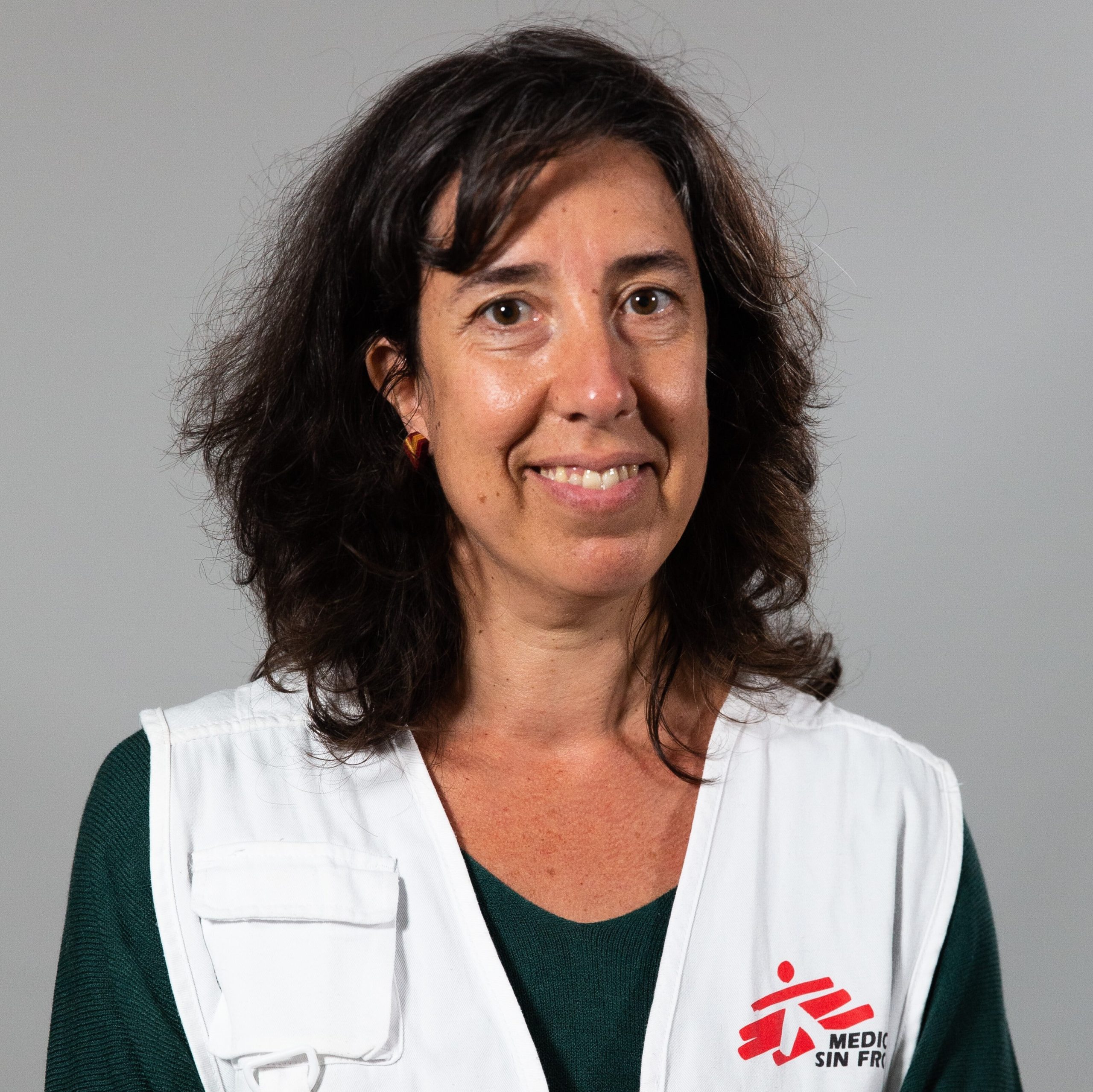
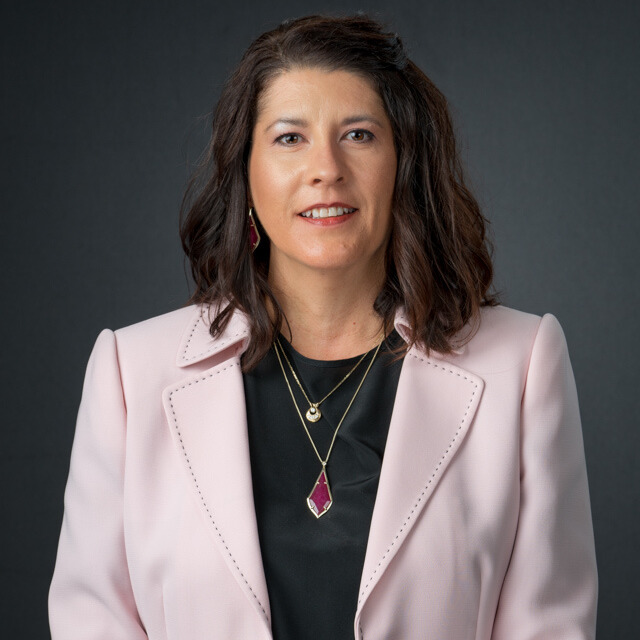
Leah GreeneHead of Simulation, Faculty of Health, Community and Life Sciences, University of Salford, Manchester, UK

Anna Mary Cooper-RyanHonorary Senior Lecturer (Public Health), Faculty of Health, Community and Life Sciences, University of Salford, Manchester, UK
Leah and Anna, how did you get into simulation?
Leah: I have been involved in simulation-based education for over 16 years, I project-managed the original development of our simulation suite and originally integrated simulation into Nursing education, but then steadily moving into Allied Health Professions programmes. I am now the Head of Simulation for the Faculty of Health, Community and Life Sciences, working across four Directorates to embed and enhance simulation-based education in all programmes in the Faculty.
Anna: I wanted to make learning practical and fun for students as we are limited by access to placements but it’s important for students to have opportunities to apply their learning to different scenarios. I’ve been involved in simulation in Public Health programmes for around 2 years.
Anna, what convinced you that simulation could have a real role in public health? And what are the main barriers to bringing it into this field?
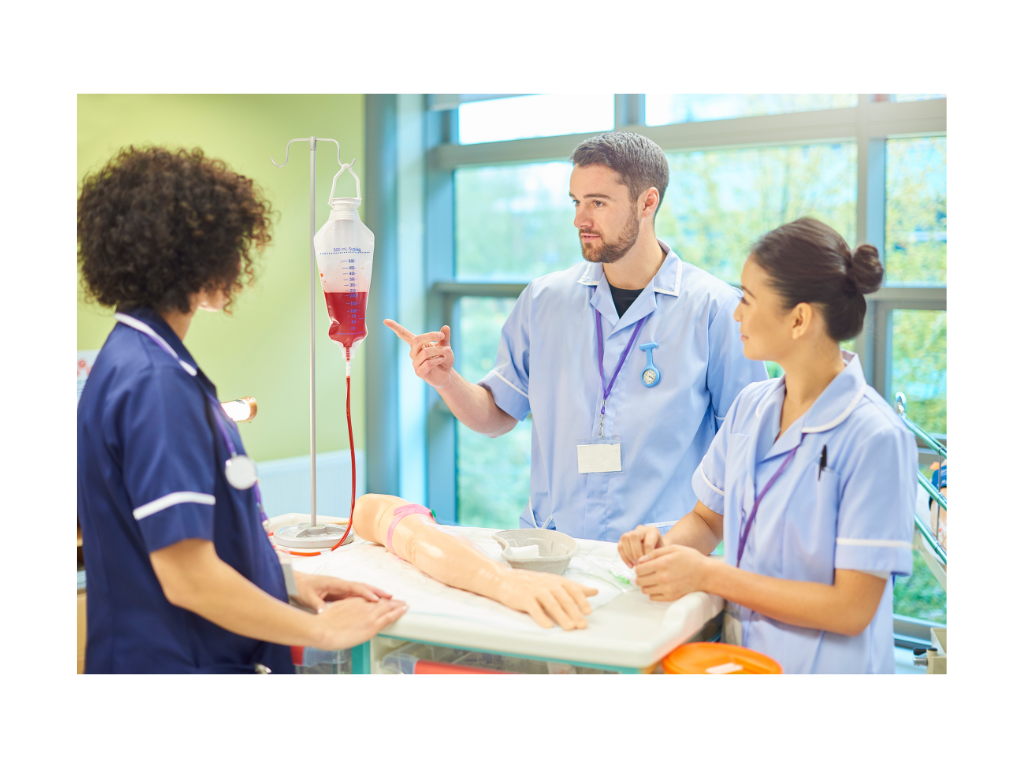
Anna: We are unable to expose our learners to, for example, disease outbreaks and floods but we can do this through simulation. The main barriers are recognition of simulation as a technique that goes beyond the traditional medical view of simulation, and is not just focussed on statistics and modelling. One of our main challenges is to change the perception and enable a greater acceptance of simulation by, not only the students, but also our Public Health organisations. There is a lack of coordinated engagement from those who influence Public Health curricula, in terms of setting criteria and standards for the use of simulation, unlike in Nursing, for example, where students are expected to undertake up to 600 hours of simulated practice learning in their programmes. There’s also not one single education organisation within Public Health that can lead a more coordinated response.
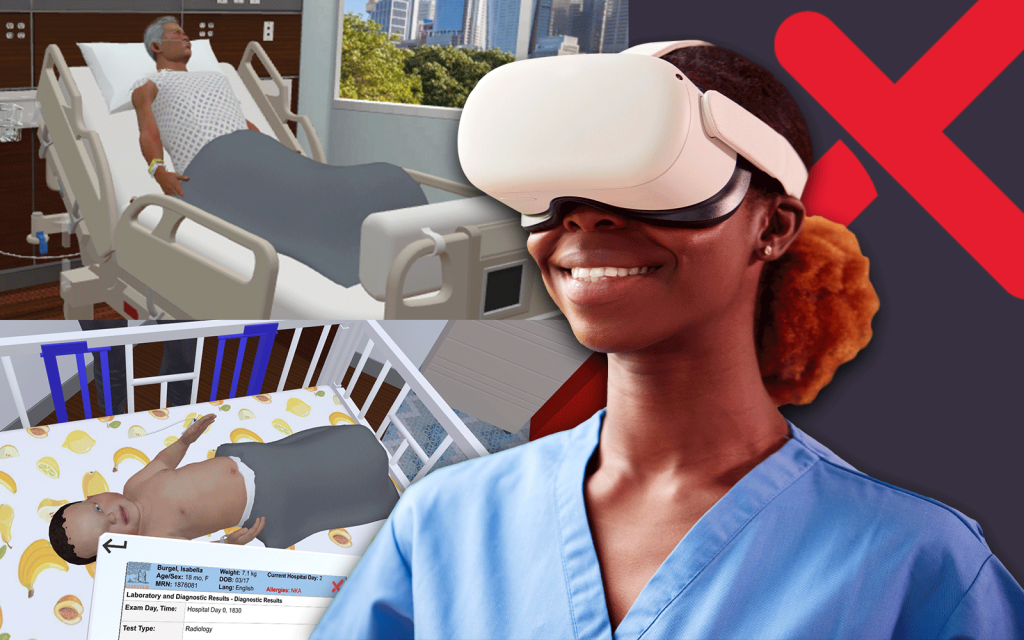
At SESAM 2025 in Valencia, Leah presented the Virtual Eyam Experience: an immersive simulation that, through AI and virtual reality, takes students back to 1665, into the heart of an English village struck by the plague. Leah, could you tell us more about it?
Leah: Traditionally, students on the postgraduate Public Health programme attend a field trip to the small village, Eyam in Derbyshire, UK. Eyam experienced a plague outbreak in 1665 and the people of Eyam are famous for the sacrifices they made to contain the outbreak and protect the wider geographical area. In total 260 people died in the village, but the outbreak was contained by the methods they employed, which were novel at the time, including, social isolation, sanitation and quarantine zones. Whilst the students enjoy the field trip, they often struggle to visualise the village and residents in ancient times. The Virtual Eyam Experience allows students to travel back in time to Eyam in 1665, to navigate the village, homes, church and open spaces and hear from the people who lived there at that time. The content is based on diaries, records and text-based evidence collated by local residents, academics and historians. Furthermore, the Virtual Eyam Experience enables learners globally to understand the importance of history and how it impacts public health today. Frequently, a small number of students cannot attend the field trip due to caring responsibilities, physical accessibility or other reasons – the Virtual Eyam Experience now provides an equal opportunity for those that are unable to attend in person. The Virtual Eyam Experience can be visualised in a VR headset, immersive room or on any screen-based device and can be accessed here.
Turning to you both, what were the biggest challenges in bringing a 17th-century historical event into today’s world of digital simulation? And what has been your greatest satisfaction with this project?
Anna: With creating virtual worlds in AI it can be challenging to get the accuracy of how buildings and the environments would have looked when you have only drawings, paintings and text to enter as prompts. This can be in part as AI is not very good at making things look less appealing and dark as it wants things to look beautiful i.e. the Disney version.
Leah: It was important for us to check the accuracy and edit the 3D environments, so they present an authentic representation of the 17th Century. Another challenge was to create authentic virtual humans to represent the people who tell the stories from Eyam in 1665, we used images from stained glass windows and descriptions of people to generate realistic avatars. Our greatest satisfaction has been the reaction to the Virtual Eyam Experience, which has been overwhelmingly positive from everyone who has experienced it.
In your project, AI, virtual reality and interactive tools all come into play. How do you balance technological innovation with pedagogy, that is, with the actual learning experience of students?
Leah: Whenever we plan sessions, we are guided by the learning objectives. Once we know what the learners need to achieve, we then decide on the best modality to facilitate the learning. So rather than using technology for the sake of it, we select the best techniques to enable the learners to meet their objectives.
Anna: Previously students who could not attend the Eyam field trip in person would watch videos and read text-based descriptions of Eyam. We used this as a basis to enhance the learning experience and create an equal representation of the field trip with the added benefit of immersing learners into the environments and stories from Eyam in 1665.
What have been the most surprising or impactful reactions from students who have experienced Eyam?
Leah: Virtual humans have the potential to cause anxiety and negative responses. We noticed that some learners have been a little bit unsure of the virtual humans embedded into the Virtual Eyam Experience, which could be attributed to the ‘Uncanny Valley’ hypothesis (Wang et al, 2015) where people can experience unsettling feelings when encountering humanoid objects that appear almost, but not quite, human.
Anna: However, on the whole we have had extremely positive reactions to the Virtual Eyam Experience with users commenting that it gives them a chance to experience history that has impacted public health decision-making today, such as quarantine practices, social distancing and the importance of epidemiological data.
Anna, what other projects are you developing in simulation for public health?
Anna: We have already created virus outbreak simulations, a flooding simulation, and ethical decision-making scenarios. We are working on further scenarios linked to yellow fever outbreaks in the USA and historical plague outbreaks in Edinburgh and Porto with our Association of Schools of Public Health in the European Region (ASPHER) partner institutions.
Together with ASPHER, Leah and Anna are now working to create a network and establish a simulation interest group. Could you share your vision for the group? What benefits do you see for students and teachers, and what challenges might arise in an international collaboration?
Leah: The aim of the ASPHER Simulation Working Group is to allow collaborative learning, sharing of materials across member schools, leading joint bids and proposals for development and future research. We meet bi-monthly via MS Teams and our objectives are:
- To explore the use of simulation within public health and how it can support training and professionalisation agendas;
- To share simulation practices and develop cross-country scenarios and resources, which can be utilised by ASPHER member schools and will become a repository for members;
- To develop research around simulation within public health.
Anna: There is a growing desire to ensure students across all types of public health education and training can gain related practical skills; this can be facilitated through placements or simulation-based activities. The ASPHER Simulation Working Group hopes to ensure sharing of best practice and International collaboration.
To conclude, we would like to ask you one last question. If you had to describe what simulation brings to public health and what public health brings to simulation, what would you say?
Leah: Simulation is not a new technique, having been embedded into medical and nursing education for over a century, however simulation in public health education is novel. We want to embed simulation pedagogy and innovative techniques into public health education – we already understand the benefits of simulation-based education to enhance both technical and non-technical skills, it’s just a case of applying these proven techniques into new areas of practice.
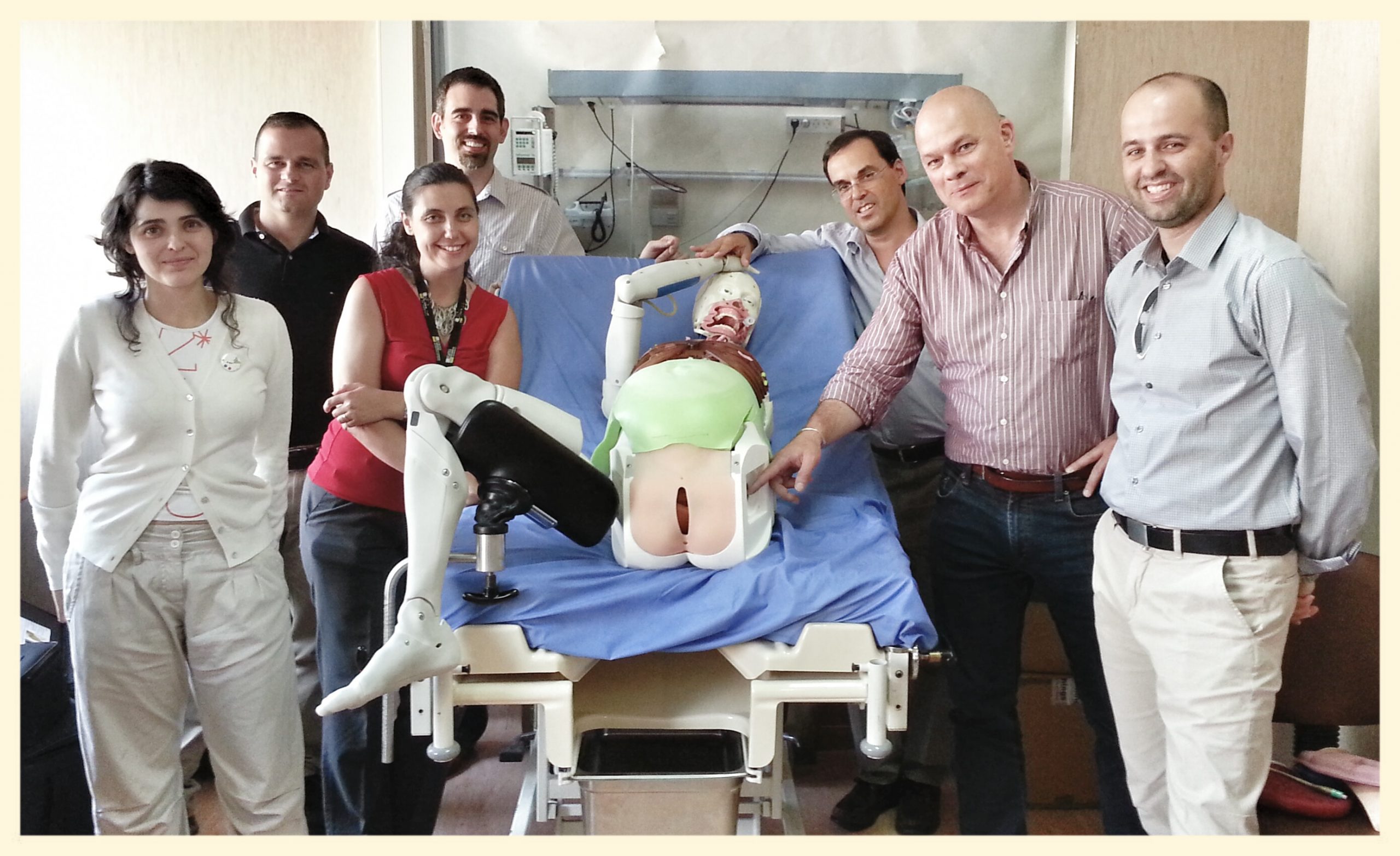
Leah and Anna, we thank you for sharing your experiences and insights, and we congratulate you on the innovative work you are carrying out. As the Padua Public Health Simulation Lab (PPHSL), we fully align with your vision.
As Anna highlighted, we also recognize the challenge represented by the “recognition of simulation as a technique that goes beyond the traditional medical view of simulation.” We consider it essential to promote a shift in perspective, viewing simulation not only as a traditional educational tool but also as a lever for clinical governance. In this context, we are working to support concrete examples of simulation applied to risk management, healthcare-associated infection control, antimicrobial resistance, and the testing of hospital environments prior to ward or team transfers. These areas are not only critical for patient safety but also have significant economic implications for the healthcare system. When fully leveraged, simulation can enhance clinical governance, resource allocation, and process safety, although its potential in these domains remains only partially explored.
One reason could be, as you rightly observed, a “lack of coordination among those who influence public health curricula” and, consequently, research. We therefore agree on the importance of strengthening dialogue and collaboration between Universities, scientific societies, and associations focused on simulation, in order to promote a shared vision and enhance training and research objectives by integrating simulation into public health.
We sincerely thank you for this stimulating conversation and look forward to a constructive dialogue between simulation and public health!
Declaration of the use of artificial intelligence. The cover image of this article was created using the generative artificial intelligence tool ChatGPT (OpenAI), based on text prompts provided by the editorial team. The image was reviewed by the editorial team before publication. Generative AI was used to assist with language editing and to improve the clarity of the text. All ideas, content, and conclusions remain original to the author.
READ ALSO