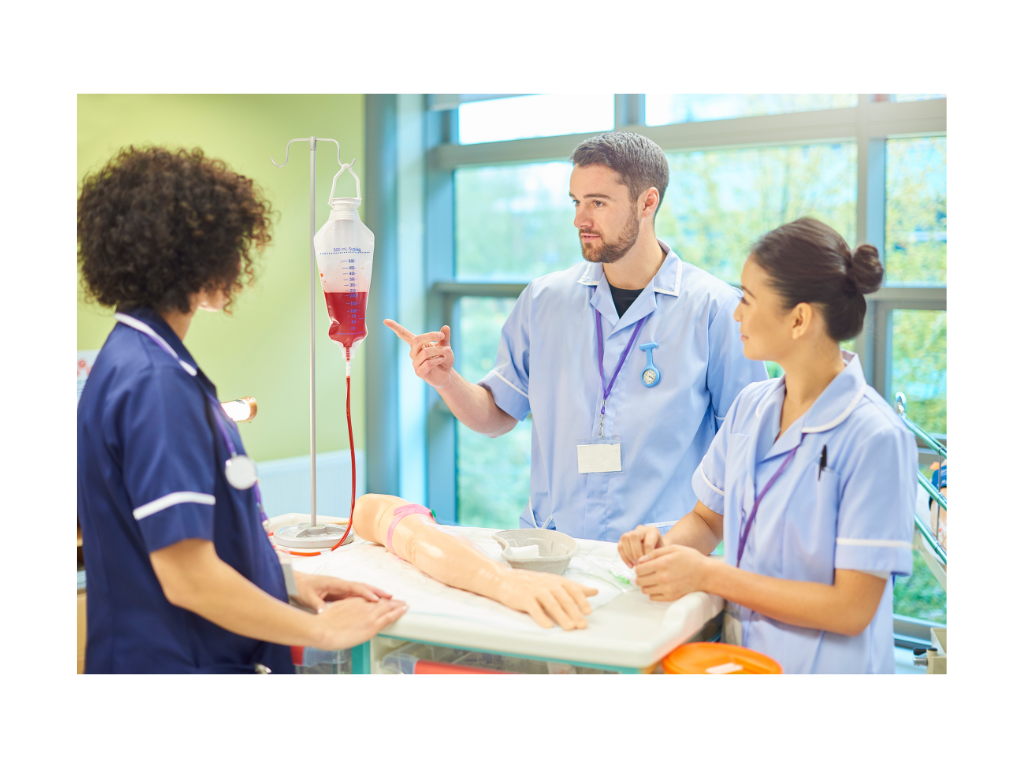








On the eve of the national congress in Novara, Marco De Luca, outgoing president, and Stefano Sironi, incoming president, discuss the path SIMMED has travelled and the challenges facing healthcare simulation: the sustainability of centres, the role of universities, accreditation, facilitator certification and the outlook for the next five years.
In a few days, Novara will host the national congress of SIMMED, the Italian Society of Simulation in Medicine and Healthcare. The event brings together the Italian simulation community and will also mark the handover of the presidency. Stefano Sironi, director of the Training Department at AREU, succeeds Marco De Luca, director of the Simulation Centre of AOU Meyer IRCCS, SIMMeyer.
In this joint interview, we asked both of them to look back on the work done and to outline future directions. The dialogue between the president stepping down and the one taking over offers health professionals, including those less familiar with simulation, a clear reading of the state of the art and of the challenges facing the discipline.

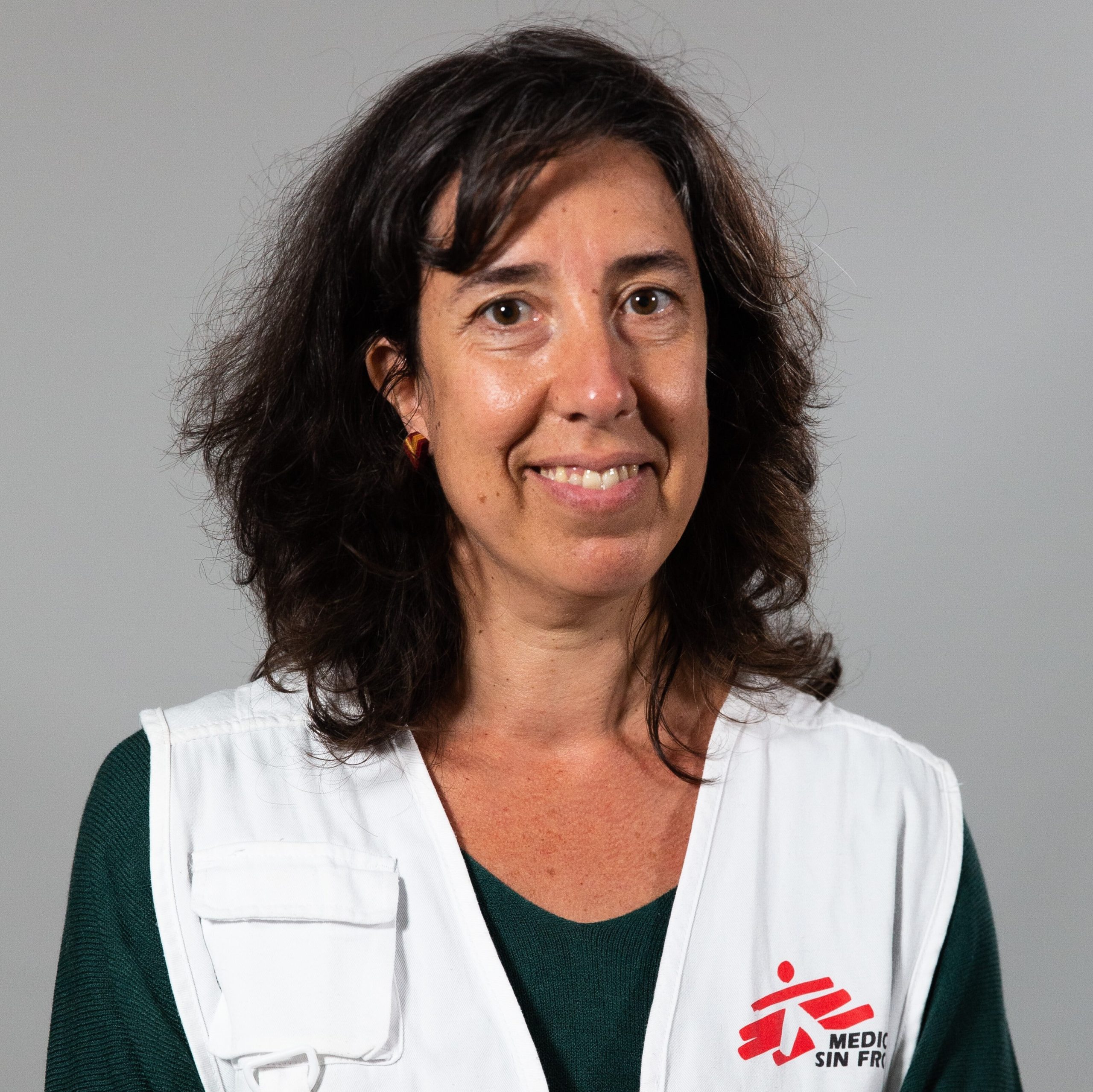
Director of the Meyer Simulation Centre (SIMMeyer)

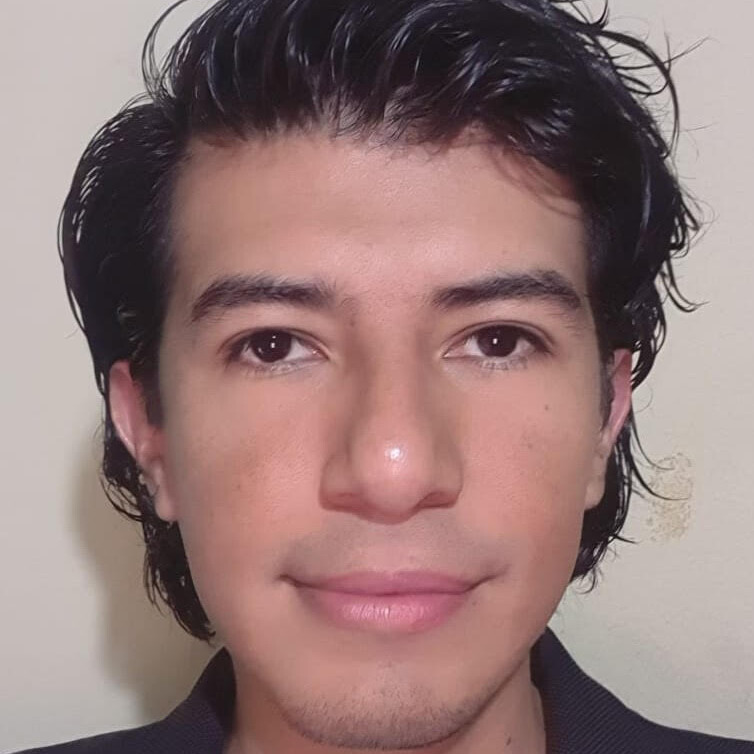
Director of the International Research & Teaching Center of AREU
Hello Marco and hello Stefano, thank you very much for agreeing to share this time with our readers.
The Novara congress marks the moment the baton is passed at the helm of SIMMED, and this gives us a special opportunity. Having with us, in the same conversation, the person who has led the society until today and the person preparing to do so allows us to bring together two complementary perspectives.
Let’s start with the nearest deadline, the SIMMED 2026 Congress, which comes at a time when healthcare simulation is calling for shared answers on important issues, and we ask you, Marco, what goals did you, and therefore the Society, set for the Novara congress?
Marco: first of all thank you for this opportunity.
The SIMMED 2026 National Congress confirms the maturity of simulation in Italy and highlights its evolution from an educational methodology into a genuine strategic tool for quality of care, patient safety and the development of healthcare organisations.
In my view, the programme, which was built on the work submitted by professionals involved in simulation (bottom-up), clearly brings out several strategic strands that SIMMED intends to pursue vigorously and that the Scientific Committee has interpreted well.
The Congress has three clearly defined objectives. The first is the most challenging and necessary: stop asking ourselves whether simulation works and start asking how to make it last over time. For years we have devoted energy to demonstrating the effectiveness of the methodology; today the real challenge has become managerial and strategic. What happens to a centre when the initial enthusiasm fades, the budget has to be renegotiated and management demands to measure the economic and organisational return on the investment? In numerous workshops and quick focus sessions, the programme addresses how to measure outcomes, return on investment, governance, SIMZones models, impact assessment and integration with risk management: concrete issues that mark the true maturity of our Centres. Here, the growing use of artificial intelligence, virtual reality, 3D printing and digital tools supporting the growth of simulation will be essential.
The second objective puts universities at the centre. The round table on academic education does not come about as a gesture of courtesy towards universities, but as a frank analysis: is simulation becoming a structural part of degree programmes, or does it remain a fragmented excellence, left solely to the sensitivity of individual teachers? SIMMED wants to act as the driving force of a network linking universities, teachers and health professionals, so that educational innovation translates into real clinical competence.
Then there is a third objective, less proclaimed but decisive for our community. SIMMED 2026 in fact coincides with the renewal of the society’s governing bodies. The maturity of a scientific society is measured precisely by its ability to renew its leadership without losing its course or its overall vision: this congress is the ideal opportunity to show that we are ready to do so.
Stefano, the Novara congress coincides with the start of your term: what message would you like participants to take home at the end of the proceedings?
Stefano: First of all, it is a great honour for me to take part in this National Congress in this role, at an event that for me represents much more than a simple scientific meeting. It is the moment when the Italian simulation community comes together to exchange views, share experiences and build the future of healthcare education together. The programme of this Congress describes an increasingly mature simulation: a simulation that trains professionals, improves the safety of care, supports organisations and fosters teamwork.
I hope the Congress itself can turn this wealth of experience into a shared heritage, fostering quality standards, research, accreditation and the development of the competencies of facilitators and centres. At the Congress we will keep working so that simulation is no longer considered an innovative option, but an essential component of education and safety in healthcare, an ethical imperative.
What would I like participants to take home at the end of the National Congress? I would like them to return to their own settings with three “things” in particular: new ideas, new relationships and the conviction that simulation can generate a concrete impact on professionals, on organisations and on patient safety. The Congress must be a place of inspiration, but above all an accelerator of change.
SIMMED’s recognition as a national scientific society consolidates its institutional role. As incoming President, Stefano, how do you think SIMMED can leverage this recognition to influence healthcare education policies?
Stefano: The recognition gives us an important responsibility. SIMMED must increasingly become a credible interlocutor for institutions, universities, regulatory bodies and healthcare organisations. Our goal will be to contribute to defining standards, guidelines and quality models that foster the integration of simulation into training pathways, continuing professional development and strategies for the safety of care.
Italian centres originate in very different settings, from hospital-based to university and regional ones. Marco, based on the experience gained during your three-year presidency, what role do you think they play today within the Italian healthcare system?
Marco: In these three years as president I have seen a profound evolution: our centres are no longer simple training laboratories, but are turning into true strategic infrastructures for the safety and quality of the National Health Service.
It is true that their origins are extremely varied, across universities, hospitals and regional bodies, from large centres to small in situ simulation laboratories. But this is not a limitation, quite the opposite: it is our real strength.
In universities, simulation builds the culture and identity of future professionals even before they set foot on the wards. In hospitals and in community settings, instead, it becomes a tool for immediate response: it serves to train teams, analyse critical processes and prevent clinical risk directly in the field.
If we look at international dynamics, simulation has now moved beyond the dimension of the single technical skill to become a tool for systems integration. It serves not only to teach “how it’s done”, but to test how a healthcare organisation reacts under pressure, identifying gaps in the system before they translate into an error affecting the patient.
Today Italian centres increasingly perform this function: they are bridges between education, risk management and staff wellbeing. We must no longer see them as isolated technological cathedrals, but as outposts that help people work better and ensure safer care for patients, as well as greater safety for healthcare workers.
The recent ECM regulatory framework gives increasing weight to simulation-based training. We know this is a starting point and that many aspects still need to be clarified. Certainly, the accreditation of simulation centres and the certification of facilitators are central issues. What will SIMMED do in this regard, Stefano?
Stefano: The AGENAS circular represents an important opportunity, but its principles need to be turned into operational tools. SIMMED intends to make the expertise developed by the scientific community available to support the definition of shared criteria for the accreditation of centres and the qualification of facilitators. In my view, the aim is not to create barriers, but to guarantee quality, safety and consistency in the development of simulation across the country, also by working towards the certification of the specific competencies needed to design and deliver Simulation Programmes carried out with methodological rigour, moving ever closer to the needs of healthcare professionals who are tired of traditional classroom training, which is sometimes very ineffective.
The last question is for both of you: how do you imagine healthcare simulation in Italy five years from now?
Stefano: A big question, and far from an obvious one: personally, I imagine simulation fully integrated into university, specialist and continuing education pathways, recognised as a standard for developing competencies and improving the safety of care. I would like to see more simulation in the workplace (in situ), more research, more collaboration between professions and a national network of Centres able to share standards, experiences and innovation. In short, a simulation that is less “extraordinary” and increasingly part of everyday Italian healthcare. Finally, I hope for a more “mindful” healthcare simulation, one that maintains quality standards from a methodological point of view and can move towards the certification of specific competencies. I also hope for a change of course from supplier companies, so that they genuinely try to interpret as well as possible the needs and requirements, often complex, of the various providers of simulation-based training.
Marco: Stefano has perfectly framed the organisational and structural trajectory, and it is exactly the course SIMMED must follow. As outgoing president, however, I would like to go a little further and look at how healthcare itself will change.
In five years we will be immersed in a medicine dominated by data, algorithms and artificial intelligence. The real risk is a progressive dehumanisation of care. And so I imagine simulation as the bulwark of the human factor. We will use it not only to certify a technical competence, but to train everything a machine will never be able to do: empathy, ethical reasoning under stress, communicating a difficult diagnosis, managing conflict in a team that may be tired and understaffed.
I also imagine a paradigm shift: we will have to stop using simulation only to assess people, and start using it systematically to assess systems. I see it as the preventive “crash test” of our Health Service. Before opening a new ward, before reorganising an emergency department or introducing a new technology, we will have to test its resilience, ergonomics and risks in simulation, putting an end once and for all to experimenting at the expense of patients and professionals.
If Stefano has described a simulation that finally becomes “normality”, I dream of a simulation that becomes “protection”: for those who are cared for, and above all for those who provide care.
Thanks to Marco and Stefano for sharing their vision with SIMZINE readers: to Marco goes the credit for bringing SIMMED this far, and to Stefano our best wishes for a term rich in results for the whole simulation community.
Declaration of the use of artificial intelligence. The cover image of this article was created using the generative artificial intelligence tool ChatGPT (OpenAI), based on text prompts provided by the editorial team. The image was reviewed by the editorial team before publication.
READ ALSO