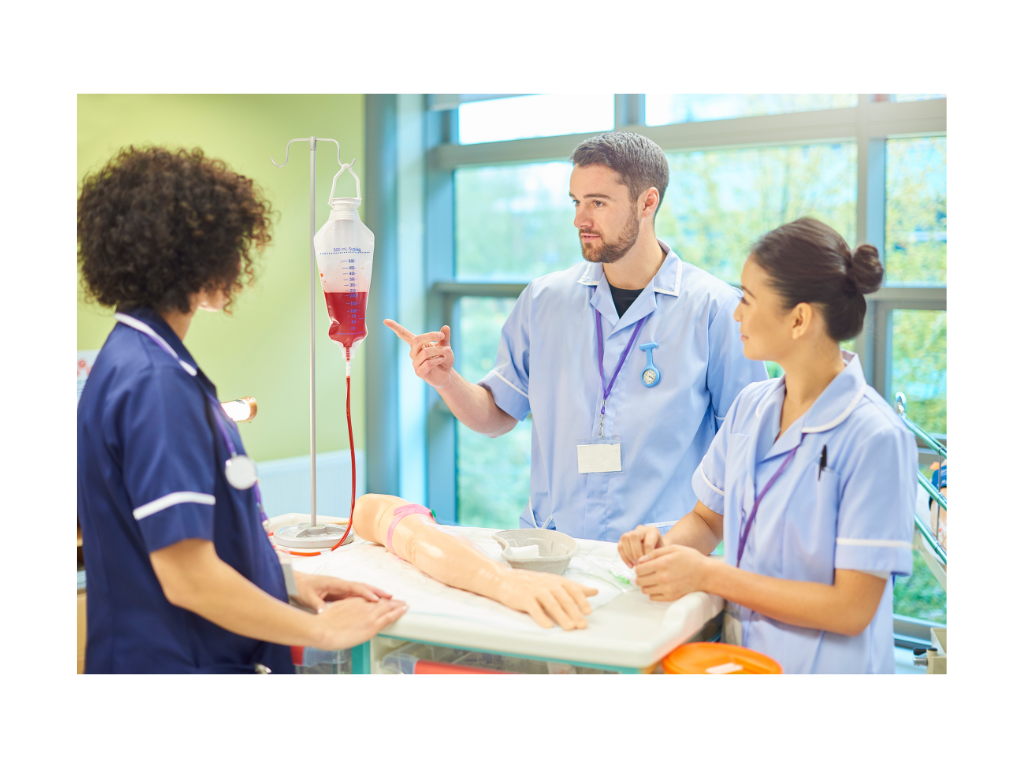






With Resolution No. 10/2026, simulation becomes a standalone training type within Italy’s ECM continuing education system, with three credits per hour of training and the facilitator listed among the mandatory requirements. The SIMMED Board explains what this recognition means and presents the Professionista Esperto in Simulazione certification promoted by CEPAS, with SIMMED as technical partner.
From Training Methodology to Recognised Training Type
In the recent history of healthcare simulation in Italy there is a step that risks going unnoticed among the folds of an administrative act, but that, as the SIMMED Board, we consider among the most significant of recent years.
Resolution No. 10/2026 of the Italian National Commission for Continuing Education (Commissione Nazionale per la Formazione Continua) introduced new criteria for the allocation of ECM credits and new training types. For the first time, simulation is recognised as a standalone training type, identified as type 13.
It is therefore no longer a methodology to be filed under other training activities, but acquires its own identity within the continuing education system.
It is a recognition that has been awaited for a long time, and one that SIMMED helped to build through dialogue with institutions. An important result that, at the same time, calls the entire professional community to a new responsibility: ensuring that simulation activities are designed and delivered according to quality criteria and by adequately prepared professionals.
Concrete Recognition, Including in Credit Allocation
The Resolution does not stop at formally recognising simulation. Training activities delivered through this methodology are in fact assigned three ECM credits for every hour of training, with the possibility of increases of up to 0.6 additional credits per hour in the presence of specific characteristics, such as the involvement of multidisciplinary teams, a limited number of participants or the use of advanced technologies.
This is not a merely quantitative detail. It is confirmation of the educational value of simulation and of its ability to foster active participation, interaction, critical reflection and learning through experience.
Effective simulation requires careful design, well-defined learning objectives and a structured process of observation and reworking of the experience. These elements distinguish it from many other training formats and strengthen its value within professional development pathways.
Technology and Scenarios Are Not Enough: Competent Facilitators Are Needed
The recognition of simulation as a standalone training activity brings with it a question that SIMMED has been asking for some time and that now also acquires regulatory relevance: who has the competencies needed to effectively design and deliver a simulation?
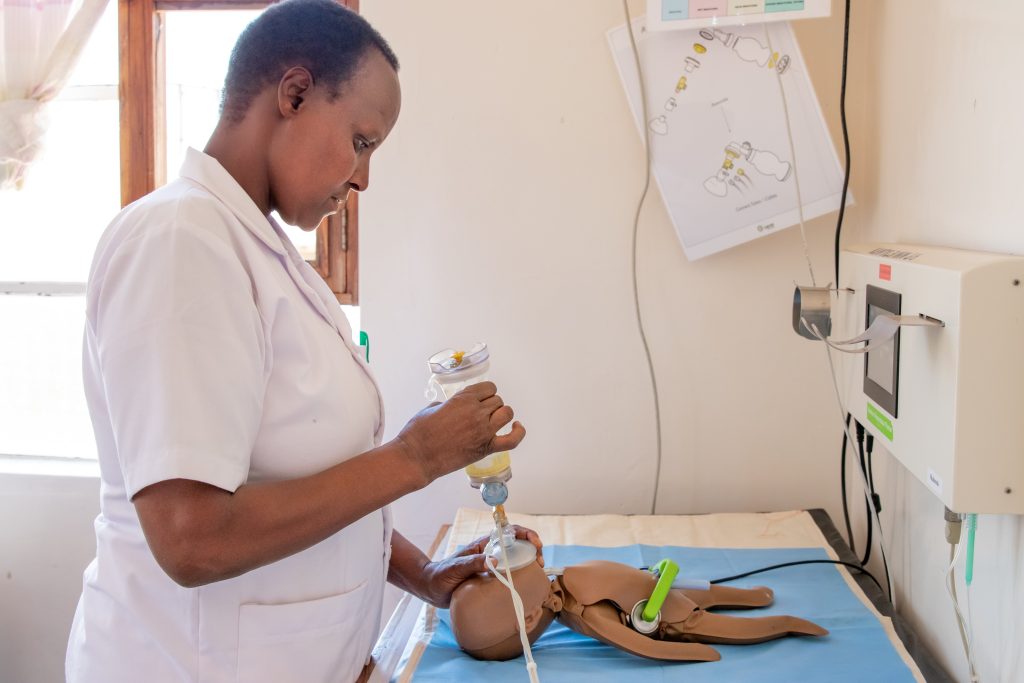
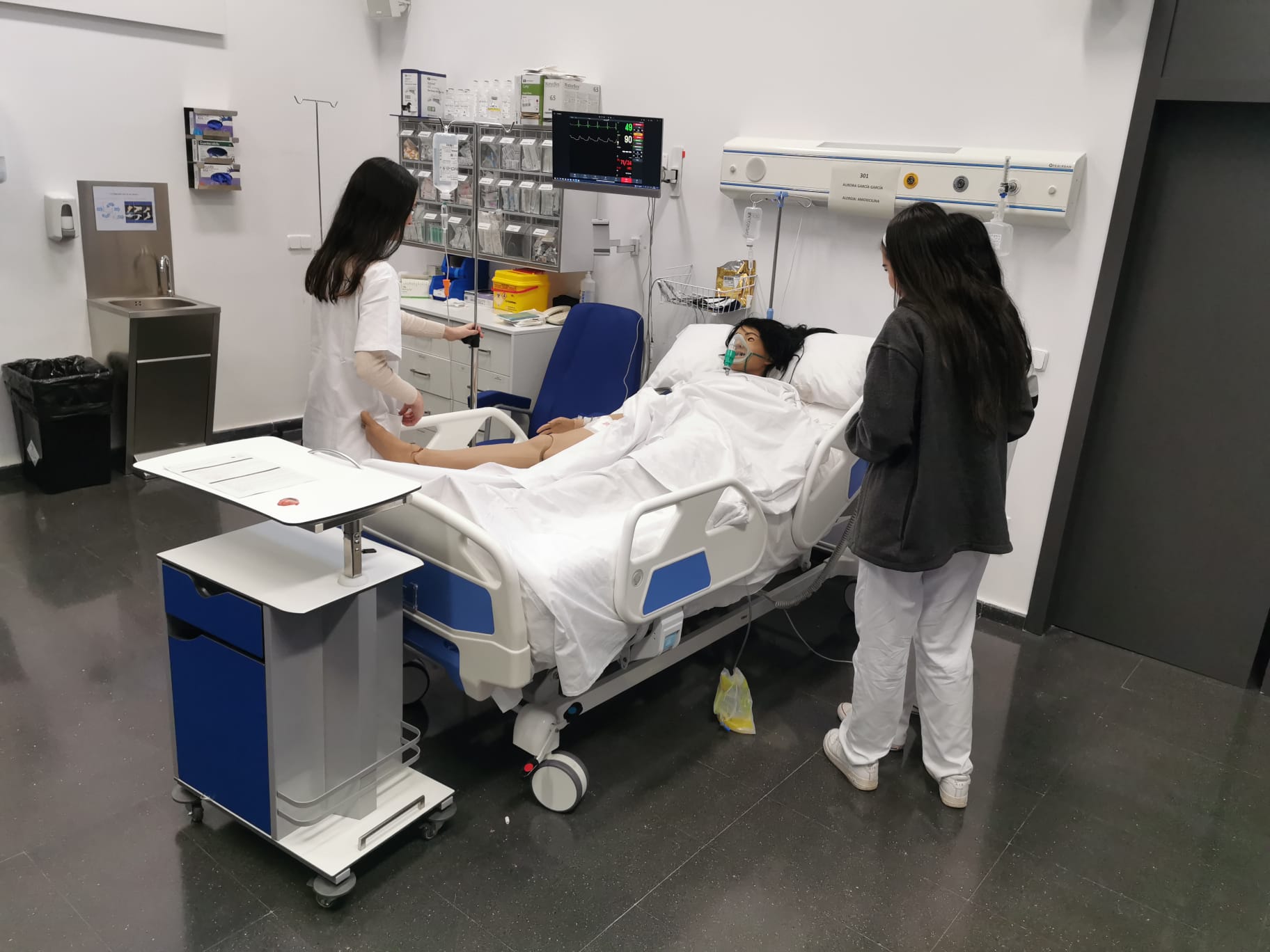
Having advanced simulators or innovative technologies is not enough. It is necessary to know how to analyse training needs, define coherent learning objectives, build realistic scenarios and create a psychologically safe environment, in which participants can experiment, compare notes and learn even from error.
It is also necessary to know how to run effective briefing and debriefing, turning what happens during the simulation into a concrete learning experience that can be transferred into professional practice.
These are specific competencies, which integrate with clinical experience and with teaching skills, but are not exhausted by either.
Resolution No. 10/2026 explicitly recognises this specificity. Among the professional requirements set out for simulation-based training activities is the figure of the facilitator, who is required to have documented experience, teaching skills, competencies in scenario building and the ability to lead the critical reflection that follows the experience.
In the minimum requirements for delivering training through simulation, the presence of the facilitator is also indicated as mandatory.
A Certification to Value the Expert Simulation Professional
It is in this new scenario that the Certificazione del Professionista Esperto in Simulazione (Expert Simulation Professional certification) comes in, promoted by CEPAS, a Bureau Veritas company in Italy and a leader in the certification of competencies, with SIMMED as technical partner.
As a scientific society, SIMMED has made available the wealth of technical and methodological competencies developed by the Italian healthcare simulation community, helping to define the contents, professional standards and assessment criteria on which the certification is based.
Responsibility for the certification process, from the verification of competencies to the issuing and maintenance of the certification, remains instead with CEPAS, as an independent third-party body.
This distinction is not a mere technical detail, but is one of the elements that give the pathway its solidity and credibility.
Verifiable Competencies for Quality Simulation
If the ECM system recognises simulation as a standalone training type and identifies the facilitator as a necessary figure, it becomes increasingly important to be able to identify, in an objective and verifiable way, the professionals who have developed specific competencies in this field.
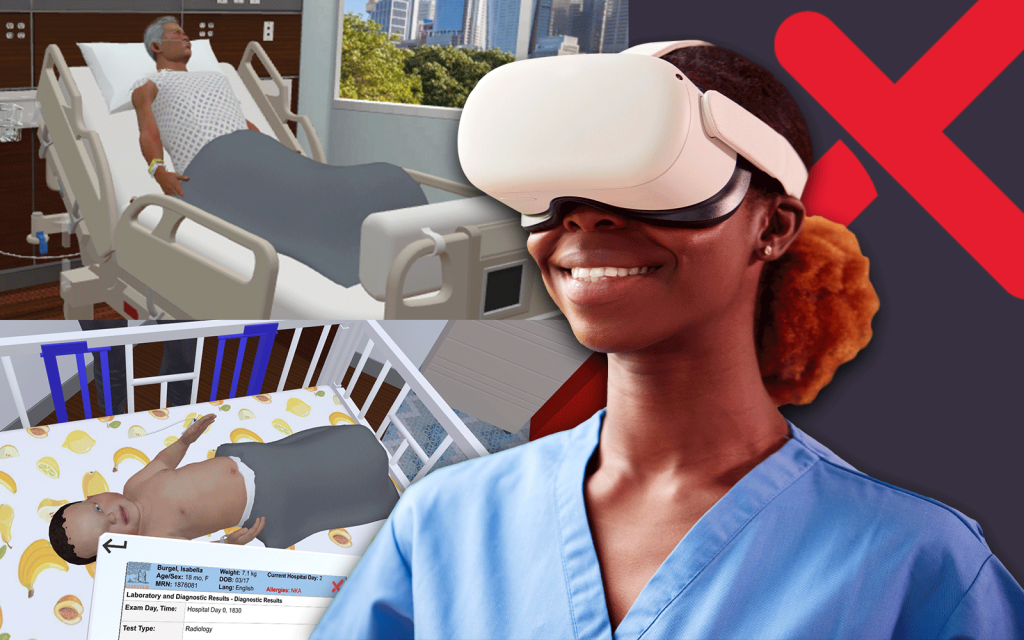
Knowing how to use a simulator is not enough. Simulation is, first and foremost, an educational methodology. Advanced technologies, virtual reality, simulators and simulated patients are valuable tools, but they are not in themselves a guarantee of quality.
Quality depends mainly on those who design and lead the pathway: from the definition of objectives to the building of the scenario, from facilitation to observation, through to debriefing and the protection of the group’s psychological safety.
Certifying these competencies means making them recognisable, documentable and comparable. It also means offering organisations a useful tool for identifying professionals capable of designing and delivering simulation activities consistent with the expected standards.
The Challenge Ahead: Investing in People, Not Only in Technologies
The growth of healthcare simulation in Italy will require an ever-greater number of professionals prepared to deliver quality training activities.
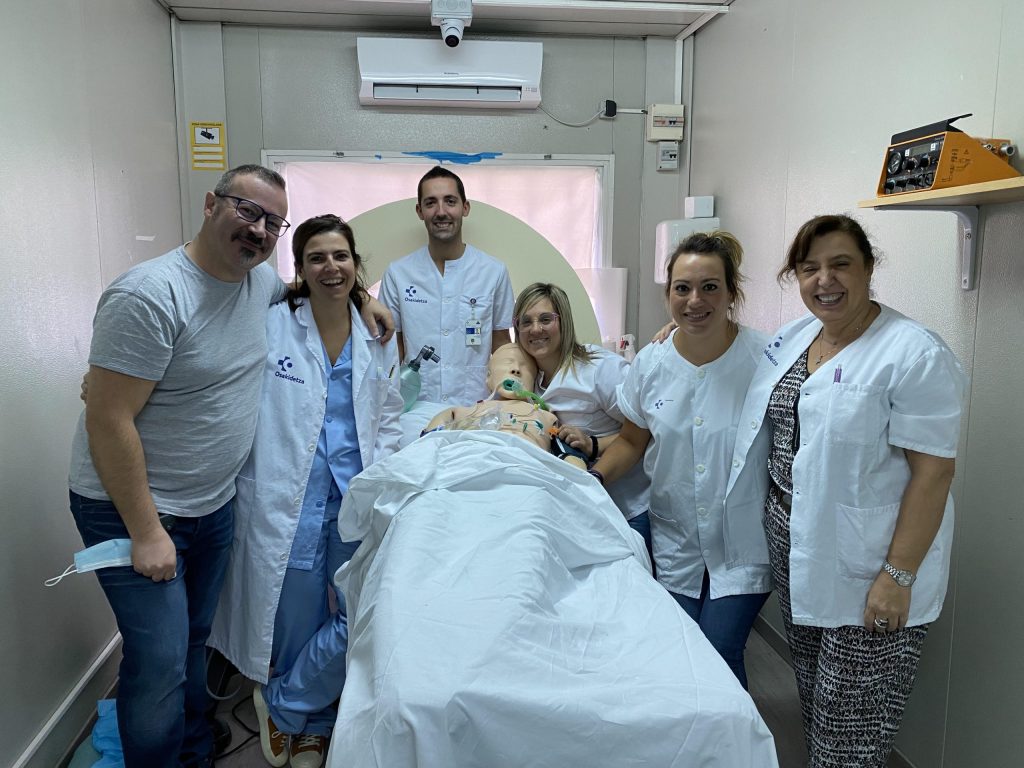
Universities, healthcare organisations, simulation centres and ECM providers will need not only equipped spaces and innovative technologies, but also people with solid, recognisable and documented competencies.
As the SIMMED Board, we believe our task is to contribute, together with CEPAS, to building a pathway capable of documenting, assessing and valuing the experience and competencies developed in simulation.
This is not about creating a self-referential recognition, but about fostering the development of a more solid, qualified professional community, aware of its own role.
Simulation is now recognised as a specific component of continuing education in healthcare. The next step is to recognise, with the same attention and seriousness, the competencies of those who are called upon to make it truly effective.
NEXT SESSION: 28 OCTOBER 2026 (PRE-CONGRESS DAY)
The next session for the Certificazione Professionista Esperto in Simulazione will take place on 28 October 2026.
Both pathways will be available:
→ Full certification in Novara
→ Alta Professionalità certification (online)
An opportunity to turn the experience gained in simulation into a recognised and certified competence and to join a professional community that contributes to the development of the quality of healthcare simulation in Italy.
For information on access requirements, application procedures and required documentation:
cepas.bureauveritas.it/needs/professionista-esperto-simulazione-sanita
READ ALSO