






Robert Marchand, Director of Performance at PMHTU in Adelaide, shares insights on preparing simulated patients for training scenarios. In this conversation with anthropologist Birgitte Bruun at CAMES Copenhagen, he explains how to build character biographies, manage the boundary between actor and role, and support both professional actors and simulated participants drawing on lived experience, while keeping learning outcomes at the centre of every performance.
In simulation ‘SP’ is an abbreviation for simulated patient or participant. In British slang, ‘SP’ means the inside information, the true facts, or the inside story on a situation. In this piece we get a true insider’s tips for preparing SPs for their job.
Robert Marchand, Director of Performance at PMHTU, Adelaide, Australia, has years of experience preparing SPs to work in scenarios with learning goals in psychiatry. This spring he was invited to visit CAMES, the Copenhagen Academy for Medical Education and Simulation in Denmark to share his experience with character-based improvisation.
These were some of the questions that Rob tackled, facilitated by anthropologist Birgitte Bruun:

Birgitte Bruun is an anthropologist and senior researcher at CAMES. See new publication on a pre-roling framework for facilitators and simulated participants.

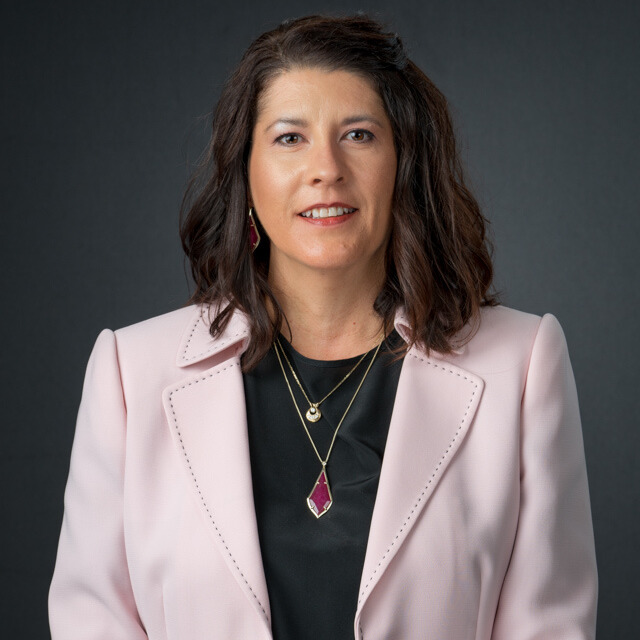
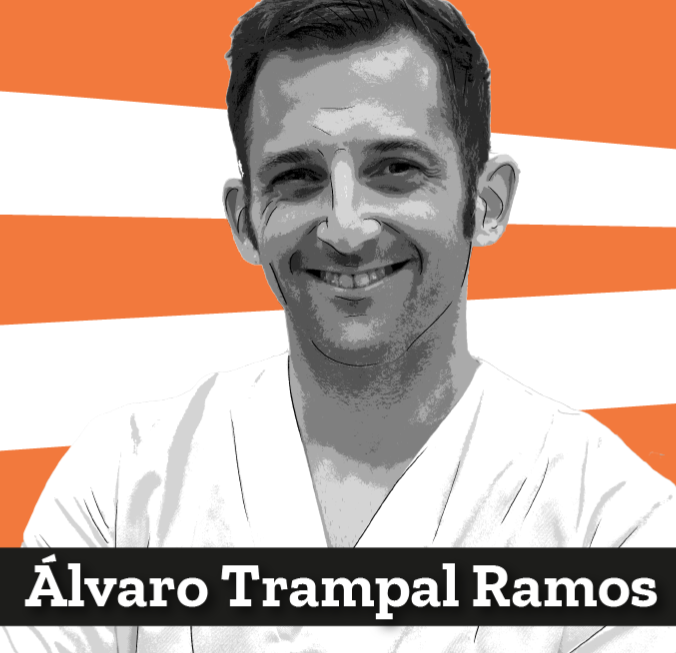
Dr. Robert Marchand is Director of Performance at the Paediatric Mental Health Training Unit, University of Adelaide; an expert on Character-based Improvisation (CBI) Process, conducting workshops for filmmakers and actors across the world, as well as being a film director. Photo credit: Nadine Schwitter.
Q: In scenario-based simulations in health care we often work with simulated participants that are either trained actors, people with lived experience as patients, medical students or colleagues. How should we think about their differentiated needs for instruction to get into character?
A: The dialogue around preparation will vary. The important aspect here is separating the actor and the character, treating them as two distinct – and different – people.
The detail embedded in this character will depend on the objectives of the training. For example, in Australia, trainee psychiatrists used to do an OSCE (Objective Structured Clinical Examination) which, reportedly, required less depth of preparation by the SP than other training scenarios. Investigating a character’s history and some of their life experiences adds resonance to characterisations; however, there needs to be care and understanding when the SP in question does not have professional actor training, recognising that the character will do and say things that the SP would never say. It’s making sure the SP is comfortable with what they are asked to do.

Q: At CAMES we have recently developed and published a framework for SPs and facilitators to systematically prepare for scenarios, but what is your advice to facilitators? How should we prepare ourselves best to work with the different kinds of simulated participants? Should we, for example, have a detailed biography for characters ready for those with no acting training?
A: A biography, certainly, how detailed is moot: too much information can confuse the SP and impact on their confidence; it can also act as a straight-jacket, inhibiting the SP from personalising the character. It is valuable, though, to define the character’s sociological category, the profession or trade, the relationship status, whether they have children.
In addition to that, the character’s temperament and world-view are useful.
Q: Do professional actors need less instruction?
A: Professional actors bring training and skills that mean they can improvise and extemporise with confidence; where specific reactions or conditions need to be displayed, this can be an advantage. SPs who are non-actors with good observational skills (and subtle mimicry skills) can be just as effective. The SPs confidence is a barometer of performance ability. I have seen SPs make a misstep then recover smoothly and correct misimpressions.
Q: How about simulated participants who contribute to simulations with their own history? Should we not instruct them at all?
A: This is a delicate area. The SPs own history is to be respected, and their own perspective on the character’s state may be drawing from personal experience: yet in a training environment, an insensitive student can cause distress; this is mental trauma felt by the SP in addition to the effect on the character they are playing. Creating a fictional persona, giving the newly invented character a different name to the SP, helps to separate performer and character. It is useful in sustaining a form of objectivity for the SP and gives them mental space to maintain their performance.

Q: Sometimes a facilitator wants a particular (and strong) reaction from a simulated participant for the learners to practice their responses, but the simulated participant finds this reaction unnatural or ‘out-of-character’. What is your advice? Where should the simulated participant’s loyalty lie?
A: Ideally the SP brings authenticity, depth and complexity to their characters: they can make a training encounter feel like a genuine consultation with a real patient.
Within that, at PMHTU the learning outcomes come first. Ideally, character preparation should include discussion and testing of any required reactions as part of character construction. Embedded in the character’s history and past experiences are moments when they reacted a certain way, based on certain stimuli, investigated by the trainer in the course of setting up the character. The actor or SP is hopefully led to an understanding of both character behaviour and – separately, but equally important – desired learning outcomes. Perceived authenticity of character for its own sake is unhelpful, though the actor’s intent is from the highest motives.
Q: What is your best advice to facilitators who are new to instructing simulated participants?
A: One key distinction I would recommend, as mentioned above, is the separation of actor and character. There are bound to be aspects of behaviours that are indistinguishable from the actor’s, but that does not mean the actor and character should be merged. Establishing the differences between the two and foregrounding them throughout training is helpful. It’s details such as giving the character a different name to the actor, establishing a real address for them and family; this solidifies the identity of the character and demonstrates that it is not simply an extension of the SP’s own persona and circumstances. Often, inviting the actor to choose a new name for the character increases their agency in the construction of character.
Q: How do we achieve consistency of performance with simulated participants?
A: Students always bring variety and different moods to training sessions, so it’s great if the actors can be consistent in their performances. Clarity of character in a written form is good: giving the actors the opportunity to explore the character “outside of the training room” helps them solidify the character and maintain consistency thereafter.
Q: How do you go about exploring the character outside of the training room?
A: I run improvisations that explore a character’s domestic or social circumstances. These are likely to be mundane, routine, devoid of ‘drama’. Referencing the external world, the interface that character has with the world, provides context and a deeper understanding of character.
Q: Some students are really uncomfortable with simulation. Do you have any advice for simulated participants on how to make it easier for learners to get into the ‘simulation zone’?
A: It’s worth identifying the cause of the student discomfort. It can be mistrust of the learning environment, having to ‘pretend to be talking to a real patient’ or it can be nervousness about their own skill level, especially when it is interpersonal skills. If the SP is in character from first encounter and presents a realistic, nuanced persona, the concern about pretending vanishes quickly. The nervousness around interpersonal skills might remain, but I would expect the trainer to recognise this in the student, and ask the SP to modify their behaviour.
Reference: Iuul CD, Dieckmann P, Bruun B. Pre-roling: an operational framework for facilitators and simulating participants (SPs) to prepare for both acting and educating safely. Advances in Simulation. 23 February 2026;11:27. https://doi.org/10.1186/s41077-026-00419-w
READ ALSO