





Behind every functioning simulation centre is a professional who keeps the technology alive: calibrating manikins, managing audiovisual systems and extending the life of equipment that many low- and middle-income institutions cannot easily replace. This article examines why the simulation technician remains an undervalued role in global health simulation, what training barriers persist, and which free and low-cost resources, from live and virtual communities to manufacturer portals, can help close the gap in professional development.
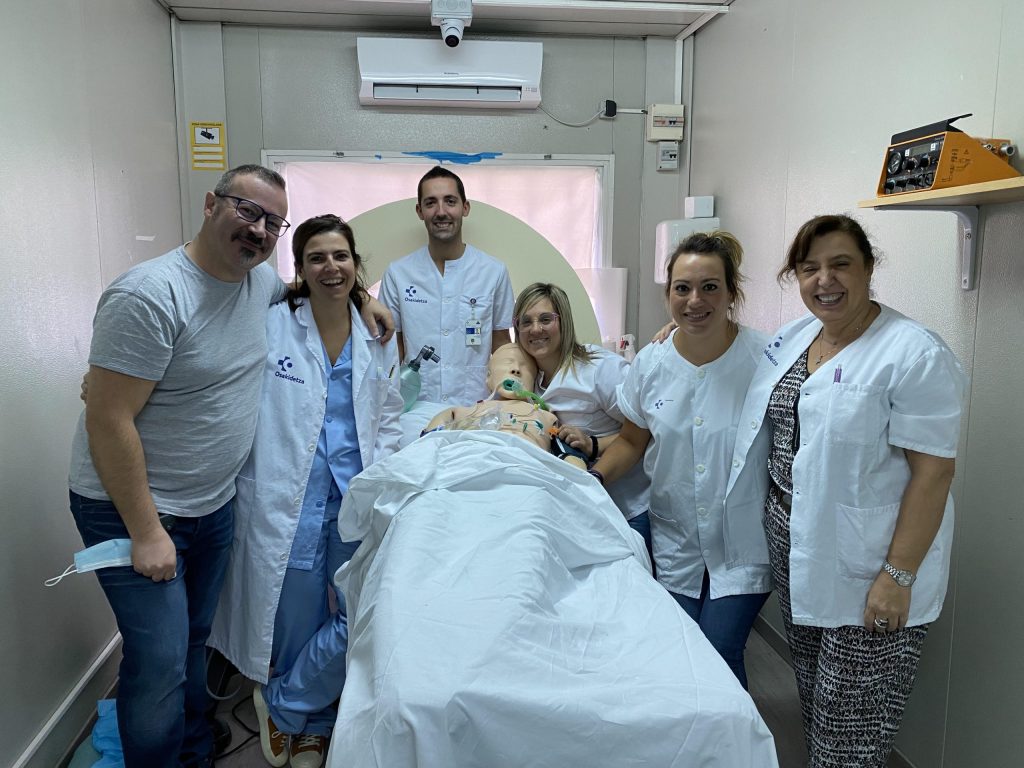
Walk into any thriving simulation centre anywhere in the world, and you will almost certainly find one person quietly making everything work: the simulation technician. While faculty design scenarios and debriefers guide reflection, it is the simulation technician who ensures the manikin breathes, the monitor alarms at the right moment, the audiovisual system captures every nuance of a learner’s decision, and the room resets flawlessly between sessions.
In high-income countries, the simulation technician role has become increasingly professionalized, with dedicated career pathways, certification bodies, and salary bands that reflect the expertise required. In low- and middle-income countries (LMICs), however, this role is often overlooked, under-resourced, and misunderstood, sometimes absorbed informally by a faculty member, a biomedical engineer, or even a general-purpose IT person. The consequences for simulation programme quality, equipment longevity, and learner safety can be significant.
This article makes the case for investing deliberately in simulation technicians in LMIC healthcare simulation centres, outlines the specific value they bring, acknowledges the real challenges of training and retaining them in resource-limited settings, and – crucially – points to a growing ecosystem of free or low-cost resources that can help close the training gap today.

What Does a Simulation Technician Actually Do?
The role is broader than most people realize. A simulation technician in a functioning Sim Centre typically holds responsibility across four core domains.
1. Technical Operations
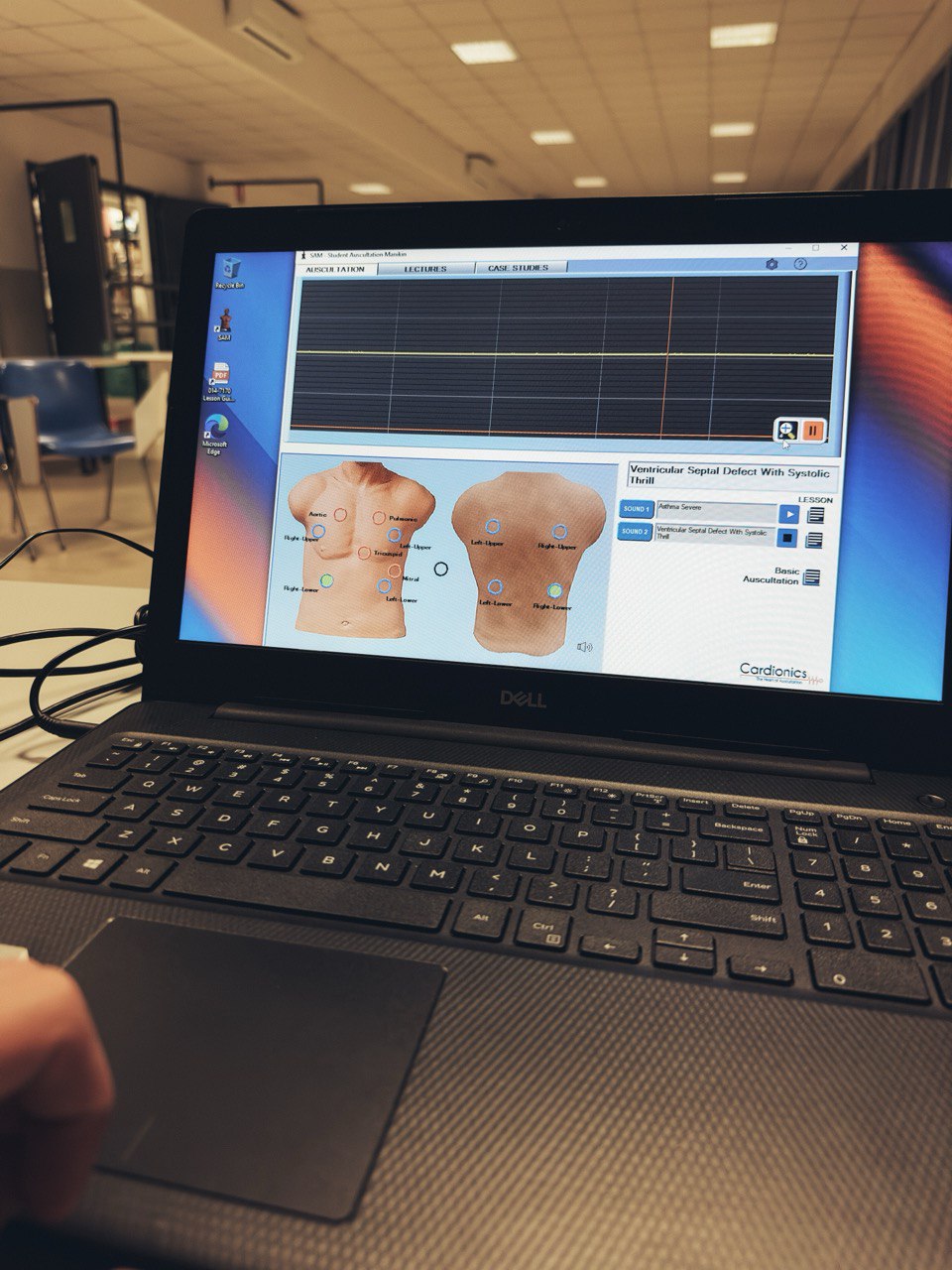
Technical operations encompass the setup, operation, and breakdown of simulation equipment patient simulators (high-, medium-, and low-fidelity), task trainers, audiovisual recording systems, debriefing software, and environmental props. During a live scenario, the technician operates the simulator in real time, responding to learner actions, triggering physiological changes, and managing any technical failures with minimal disruption to the educational flow.
2. Equipment Maintenance and Troubleshooting
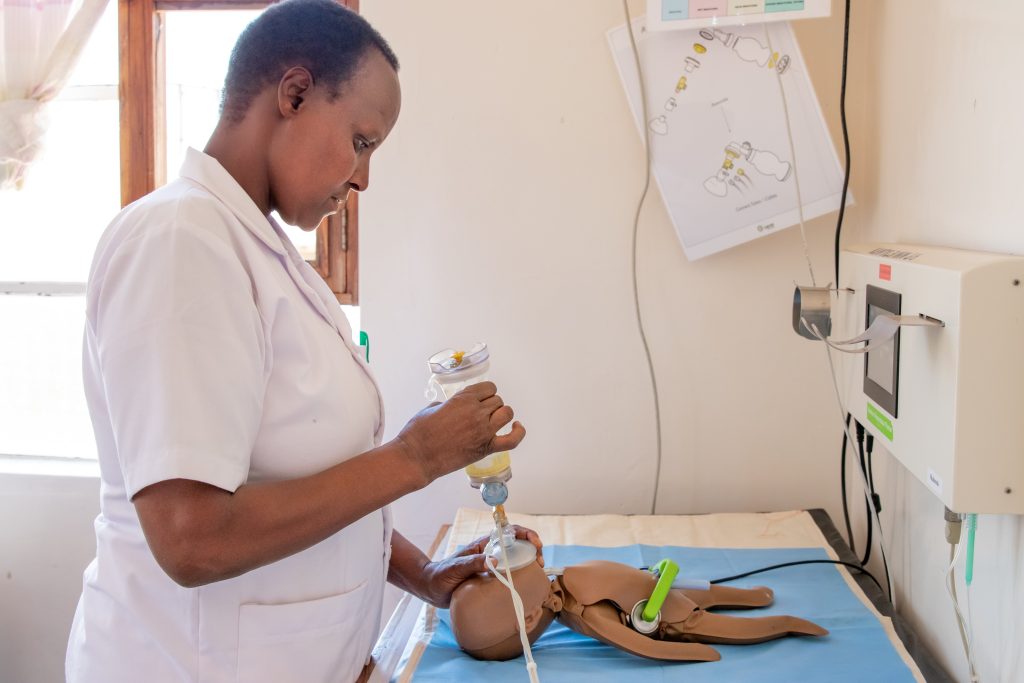
This domain involves routine preventive maintenance, calibration, and minor repairs. A skilled technician extends the working life of expensive simulator hardware by years a consideration that is not merely convenient in LMICs but financially existential, given the difficulty of sourcing replacement parts or authorized service engineers across long supply chains.
Spotlight: Laerdal
Laerdal provides comprehensive technical support resources for its simulation products, including FAQs, troubleshooting guides, and step-by-step maintenance procedures through its Learning Portal. These resources are available to registered users on laerdal.com and cover a wide range of topics, helping simulation technicians perform routine maintenance, identify common issues, and minimize equipment downtime. Access to these guides enables institutions to build local technical capacity and improve the sustainability of simulation-based education programs, particularly in resource-constrained settings.
3. Audiovisual and Data Management
This domain covers the capture, storage, and retrieval of session recordings used in debriefing and programme evaluation. As simulation centres increasingly adopt cloud-based debriefing platforms and learning management systems, the technician’s role in data governance and digital security has grown correspondingly.

4. Scenario and Environment Design Support
Technicians work alongside faculty to create realistic clinical environments, source and manufacture low-cost task trainers, and adapt commercially designed scenarios to local disease burden and clinical context a critically important function in LMIC settings where locally relevant content is in short supply.
Why the Simulation Technician’s Role Is Especially Critical in LMIC Sim Centres
Equipment Resilience in Resource-Limited Environments
High-fidelity patient simulators represent some of the largest capital investments a simulation centre will ever make. In LMICs, procuring these devices often involves years of fundraising, grant cycles, or donor partnerships. When a simulator fails and all simulators eventually do the availability of a trained technician who can diagnose the fault and perform basic repairs can mean the difference between a two-day interruption and a six-month equipment outage waiting for an authorized service visit from another continent.
Spotlight: Gaumard
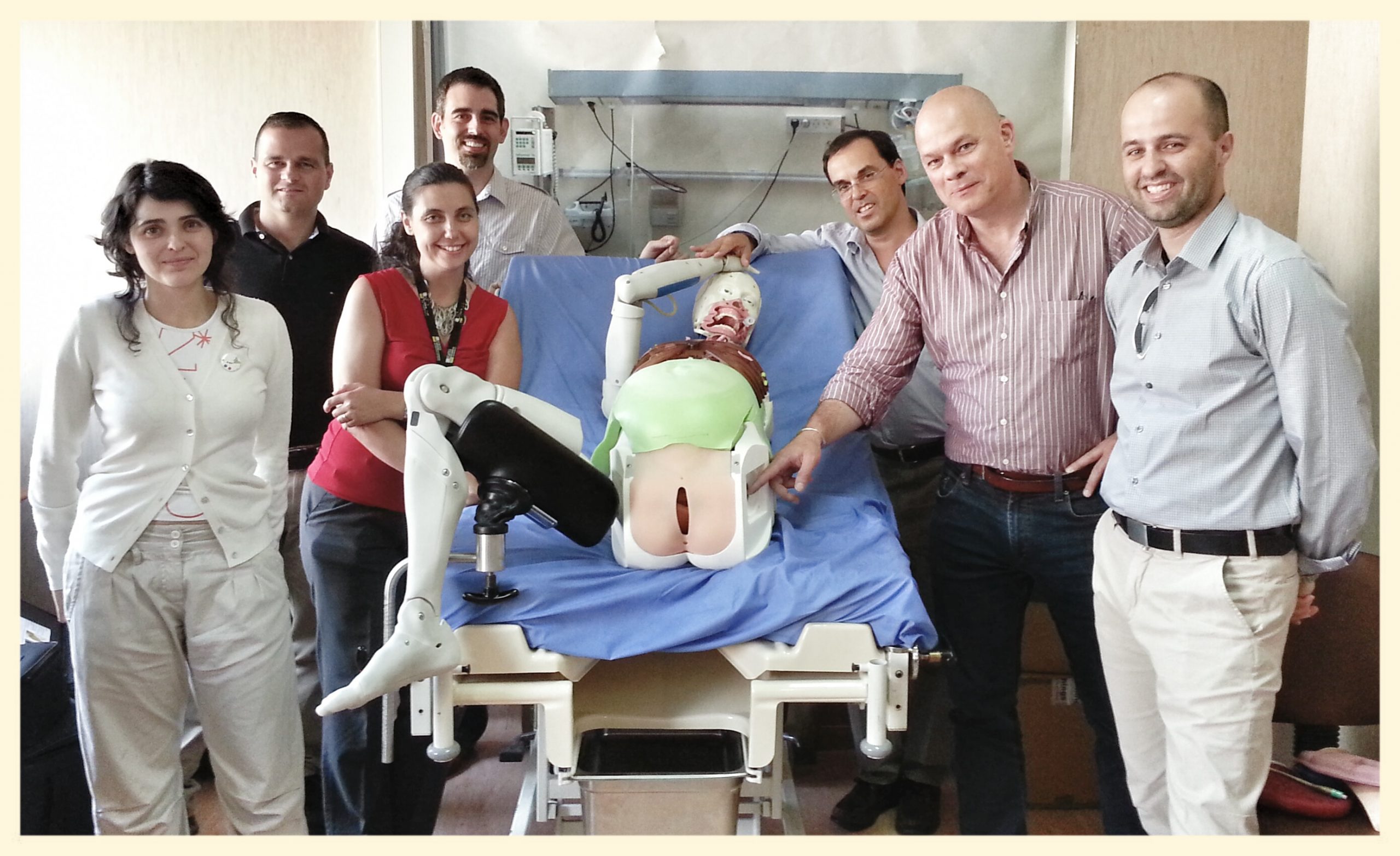
Gaumard provides a wide range of patient simulators and training solutions covering multiple clinical specialties, including adult, maternal, neonatal, pediatric, nursing, emergency care, and surgical simulation. To support the effective use and maintenance of its simulators, Gaumard provides a range of learning and technical resources through its Customer Portal, including user manuals, product documentation, instructional materials, and technical support resources. These resources enable simulation educators and technicians to access relevant information for simulator operation, maintenance, troubleshooting, and training, supporting the development of in-house technical expertise and reducing reliance on external technical assistance.
Power and Infrastructure Management
LMIC simulation centres frequently operate in environments characterized by inconsistent electrical supply, high ambient temperatures, and limited climate control. Simulation technicians who understand how to implement surge protection, manage UPS systems, and optimize equipment storage for heat and humidity protect hardware investments that might otherwise degrade rapidly.
Building Local Content from Low-Cost Materials
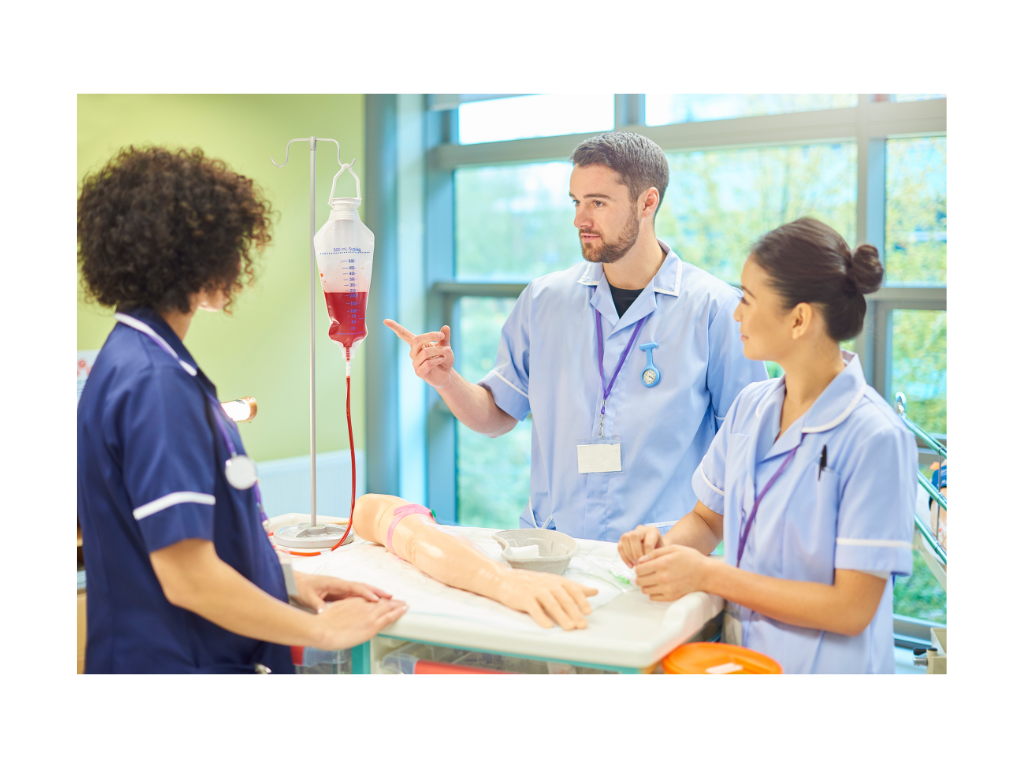
Commercially produced task trainers and simulation consumables are prohibitively expensive when priced for high-income markets and imported with significant shipping and customs costs. Experienced simulation technicians in LMICs have led remarkable innovations in fabricating low-cost task trainers from locally available materials, such as IV arm models from latex tubing and foam, airway trainers from inexpensive anatomical materials, wound care models from silicone and food-grade products. These improvised solutions have enabled programmes to teach skills that would otherwise be inaccessible.

Continuity and Institutional Memory
Faculty and clinical staff in LMIC academic medical centers are often mobile, rotating through international fellowships, NGO secondments, and specialist training abroad. The simulation technician, by contrast, tends to be a more stable long-term presence within the institution. This makes them natural custodians of programme SOPs, equipment documentation, and the accumulated knowledge of what works in that specific context.
Enabling Faculty to Teach
When a simulation technician is absent, someone has to do their job. In practice, that person is usually a faculty member. Every minute a clinician-educator spends troubleshooting an AV cable or rebooting a simulator is a minute they are not preparing scenarios, mentoring junior faculty, or reflecting on debriefing practice. Investing in a simulation technician is, in a direct and measurable sense, an investment in faculty capacity.
The Training Gap, and Why It Persists
Despite their importance, simulation technicians in LMICs face significant barriers to professional development. Most formal training programmes exist in North America, Europe, and Australia, and are priced, scheduled, and logistically designed for participants from those regions. International travel for in-person training is often unaffordable and logistically complex.
Within institutions, simulation technicians may lack a clear professional title, a defined job description, or a reporting line that advocates for their development. They are sometimes classed as general technical support staff, which makes accessing training budgets or conference attendance difficult to justify.
There is also a pipeline problem. Few LMIC universities offer degree or diploma programmes in healthcare simulation technology. Technicians typically arrive via routes in biomedical engineering, IT, nursing, or general science, and learn simulation-specific skills almost entirely on the job, a process that is slow, inconsistent, and heavily dependent on the quality of whoever happens to be available to mentor them.
Free and Low-Cost Training Resources
The good news is that the simulation community has been building an expanding library of open-access resources that make meaningful technician training more achievable than ever before. The following table and descriptions provide a practical starting point.
Online Communities and Professional Networks
Society for Simulation in Healthcare (SSH) Maintains educational resources and hosts the internationally recognized Certified Healthcare Simulation Operations Specialist (CHSOS) credential the gold standard for simulation technician professionalization. Some content is freely available to all.
SimGHOSTS The most technician-specific resource in the simulation world. SimGHOSTS runs annual conferences, publishes free educational content for simulation operations professionals, and maintains an active online community with virtual participation options. Their free webinar archives cover AV system design, manikin maintenance, and career development.
Society for Simulation in Europe (SESAM) European-focused resources, many freely accessible, with historical support for LMIC participation and scholarship programmes.
The Simulation Alliance Global advocacy and networking body with specific working groups on equity and global health simulation. Membership and many resources are free.
Manufacturer Training Portals
Most major simulation equipment manufacturers provide free online training portals, video libraries, and technical documentation for their products. Access typically requires registration but not payment. Technicians should register with every manufacturer whose equipment their centre operates and work systematically through available training content.
Laerdal Learning Portal Operator training, clinical scenario libraries and maintenance guides.
Gaumard Customer Portal Technical documentation and UTAS software operator training.
CAE Healthcare Education Product-specific operator and technical training for CAE simulators.
Open-Access Academic Resources
MedEdPORTAL (aamc.org/mededportal) A peer-reviewed open-access repository of health professions education resources including simulation curriculum resources, scenario templates, and faculty development materials that are freely downloadable and adaptable for local use.
Coursera, edX, and OpenLearn Audit-free courses in health professions education and clinical skills training accessible from any internet-connected device. The Harvard Macy Institute periodically offers sponsored places for participants from LMICs.
GitHub Open-Source Repositories Search for ‘low-cost task trainers’ or ‘simulation model open source’ for fabrication guides and designs developed by educators worldwide and shared freely.
Video Learning
An underappreciated but genuinely valuable resource for simulation technicians is YouTube. The platform hosts a significant volume of practical content: manikin maintenance and repair demonstrations, AV system tutorials, debriefing software walkthroughs, and low-cost task trainer fabrication guides. For technicians with limited bandwidth, YouTube’s offline download feature allows content to be pre-loaded on devices for review without a live internet connection.
Practical Recommendations for LMIC SimCentre Leaders
Beyond individual training, there are structural steps that simulation center leaders and administrators can take to better support the simulation technician role.
Formalize the job description.
A written, institution-approved job description signals organizational commitment, creates accountability, and opens access to HR pathways for performance review, salary progression, and professional development funding.
Create protected time for training.
Building monthly learning time [even two to four hours] into the technician’s schedule signals that development is a legitimate part of the role, not an afterthought.
Connect technicians to the global community.
SimGHOSTS, SSH, and SESAM all have mechanisms for international members to engage virtually. Connecting a technician to these communities gives them peers, mentors, and access to collective troubleshooting knowledge.
Document everything.
Encourage technicians to create and maintain SOPs, maintenance logs, troubleshooting guides, and equipment inventories. This institutional memory protects the programme against staff turnover.
Advocate for the CHSOS credential.
The Certified Healthcare Simulation Operations Specialist credential from SSH is internationally recognized. Some centers have successfully sought donor or grant funding to cover examination fees.
Budget for consumables.
A technician cannot do their job without consumable supplies: lubricants, replacement skins, IV tubing, wound packing materials, and AV cables. A dedicated consumables budget line is a practical prerequisite for sustained operations.
Looking Forward: An Equity Imperative
The global simulation community has made admirable progress in acknowledging equity issues in simulation education. Organizations including SSH, SESAM, and SimGHOSTS have developed scholarships, virtual access pathways, and LMIC-specific programming. The COVID-19 pandemic accelerated a shift toward virtual and hybrid conference models that has permanently improved the geographic accessibility of professional development for simulation technicians in LMICs.
But there is further to go. The simulation community’s discourse about equity has focused, understandably, on learners and faculty the simulation technician has been less visible in these conversations. Changing that requires LMIC simulation center leaders to advocate loudly for their technicians: to include them in strategic plans, name them in grant applications, bring them to the table in programme development discussions, and celebrate their contributions in publications and conferences.
Final Thoughts
The simulation technician is not a support role in a secondary sense, they are a primary enabler of simulation-based education. In LMIC healthcare simulation centres, where resources are constrained, supply chains are complex, and the margin for equipment failure is thin, the skilled, trained, and professionally supported simulation technician may be the single highest-leverage investment a centre can make.
The training resources exist. The community is welcoming. The path to professionalization is open. What is needed now is the institutional will to walk it and a global simulation community committed to ensuring that technicians in Lagos, Karachi, Nairobi, Dhaka, and Lima have the same access to professional development as their counterparts in London, Boston, and Sydney.
Declaration on the use of AI: generative AI was used to support linguistic editing and improve the clarity of the text. All ideas, content, and conclusions are original to the author.
READ ALSO