








In Padua, around the same table: the Municipality, Agenas, four Regions, a hospital medical directorate, a university and the scientific society. There was one question only: what is needed for simulation to become part of clinical governance. The answers speak of innovation, alliances and regulation of the sector.
A total of 55,000 euros from the funds of the Ministerial Decree of 27 May 2022. Eleven thousand euros per centre for the five centres surveyed. Salvatore Ferro, who handled that dossier for Emilia-Romagna, called it “a stone thrown into the pond”: a modest sum spent to set a bottom-up movement in motion.
It is from details like these that one understands where we stand. Italian simulation has a mature professional community, a scientific society with sixteen years of history, university centres of European standing. But budgets are counted in tens of thousands of euros.
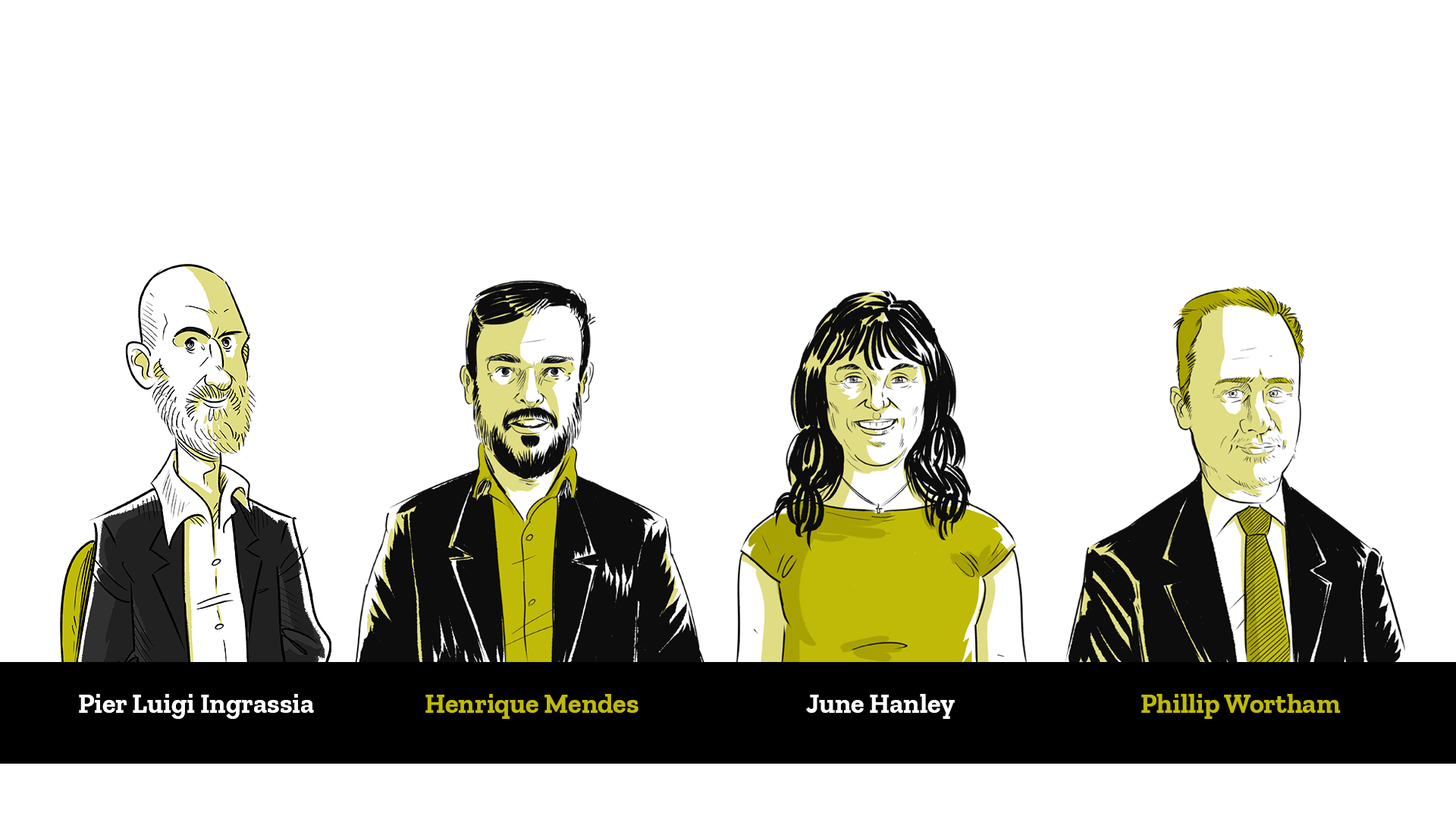
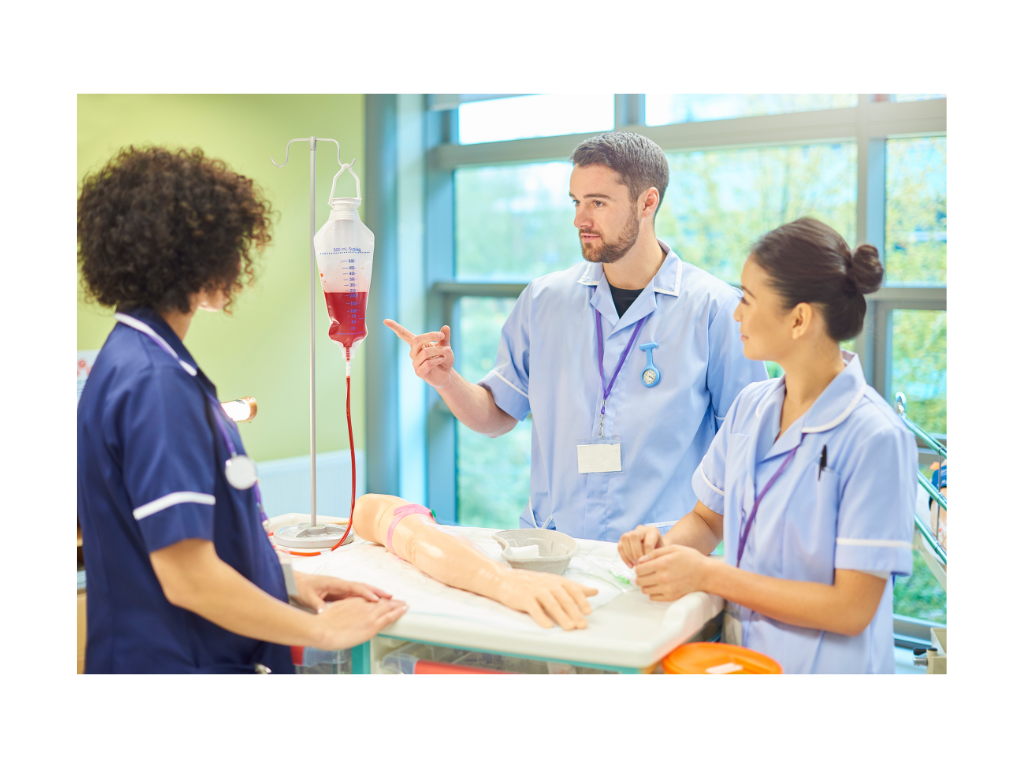
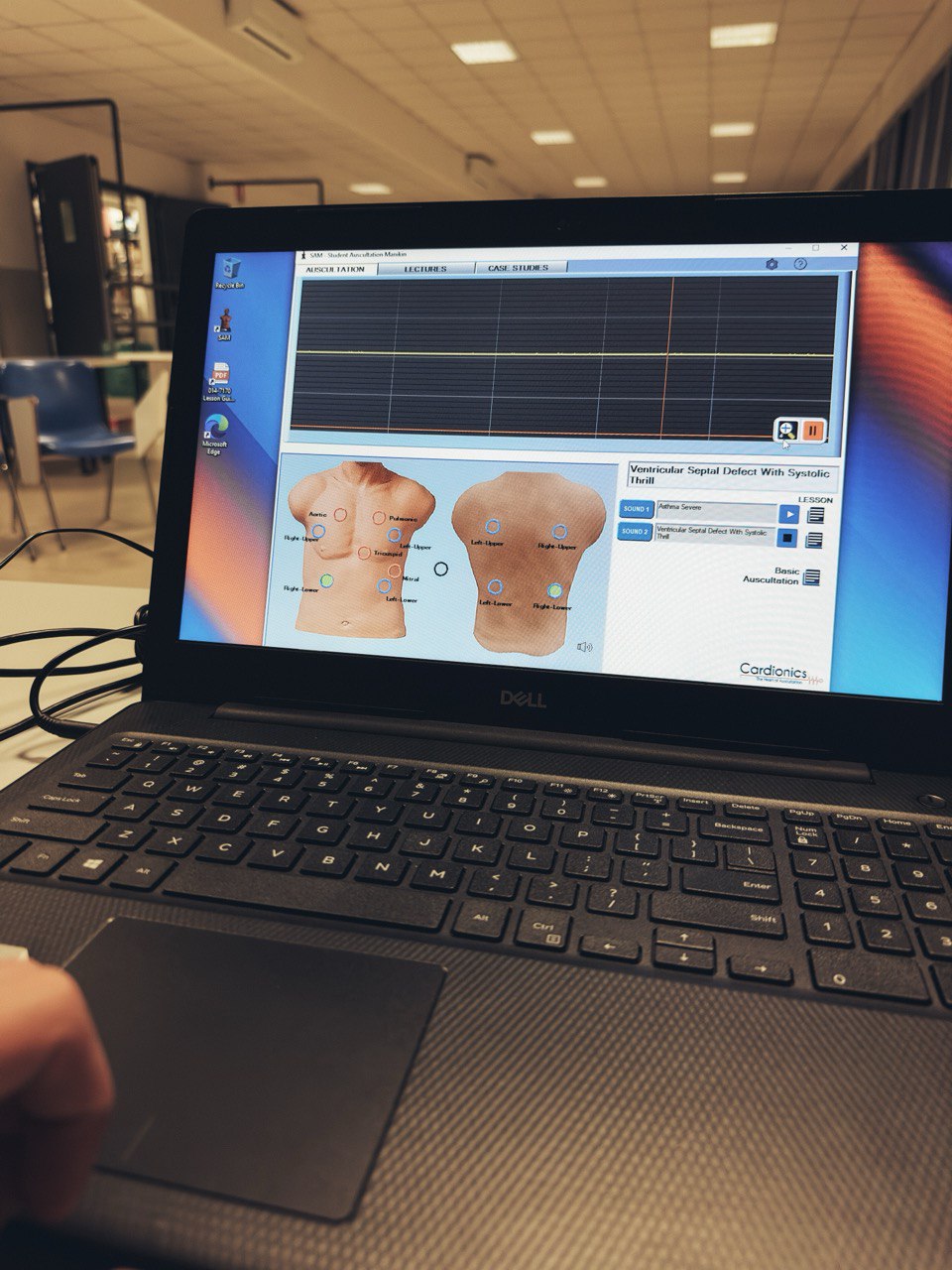
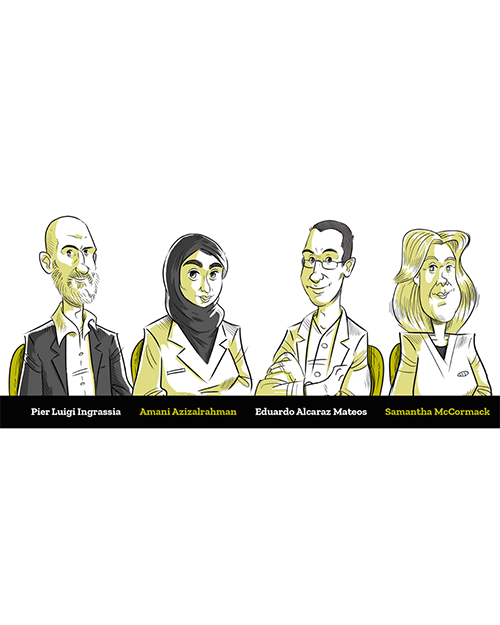
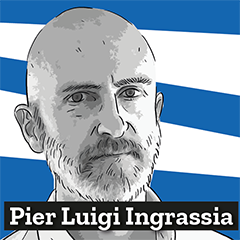
The round table “Simulation and integration into clinical services”, moderated by Pier Luigi Ingrassia, scientific director of the Cantonal Simulation Centre of Canton Ticino and past president of the European simulation society SESAM, took place within the congress “Simulation in Healthcare. A tool for the safety of care”, organised by the University of Padua in collaboration with the Italian Society for Simulation in Medicine (SIMMED), and set out to reconstruct the entire value chain: from the citizen who benefits from it to the hospital that delivers it. The shared point of arrival is the repositioning of simulation as a tool for clinical governance and risk management.
Starting from the citizen and the local community
Dr Margherita Cera, Councillor of the Municipality of Padua, emphasised the role that a municipal administration can play in promoting simulation not only as an academic excellence, but as a heritage of the entire city community. In a historical context marked by growing and alarming public distrust of the healthcare system, the Municipality can promote an alliance with local health institutions to strengthen the population’s confidence in the competence of the system. This objective is particularly relevant in a city such as Padua, whose demographics show progressive ageing (100 under-14s for every 256 over-65s), with a consequent increase in the need for efficient and safe clinical care.
The Councillor also stressed how simulation, understood as a methodology, can be borrowed by other areas of public administration as well, opening up interesting spaces for cross-fertilisation and the exchange of good practices between healthcare and other areas of innovation in services for citizens.
The national regulatory framework
Dr Emanuele Sebastiani outlined the work of the National Agency for Regional Health Services, AGENAS, recalling that Circular 10 of 2026 represents a starting point, rather than a point of arrival, in a constantly evolving process. He drew a clear distinction between provider accreditation (those who deliver ECM continuing education in simulation) and institutional accreditation, pointing out that the National ECM Commission is developing specific requirements to identify who can really qualify as a simulation provider. “The main critical issues?” Sebastiani stressed, “Time and money: simulation has significant costs, but its widely documented benefits justify the investment.”
Regional barriers and the need for an alliance
Dr Ottavio Alessandro Nicastro, of the Health Commission of the Conference of the Regions, identified cultural barriers as the main obstacle to integrating simulation into risk management. The perception of simulation as a merely educational methodology persists, whereas it should be recognised as a strategic tool for the safety of care, applicable to risk analysis, the identification of priorities and the assessment of system efficiency.
Two keywords were identified as essential to overcoming these barriers: alliance and governance. An alliance is needed between the world of risk management and that of simulation, recognising the common interest in patient safety.
Dr Nicastro emphasised that there are no simple answers to highly complex problems, recalling the need for multifactorial approaches and long-term planning.
Four Regions, four paths
Emilia-Romagna. Beyond the stone thrown into the pond, the process produced an awareness: in addition to surveying the regional centres, objective accreditation criteria are needed, with structural, technological and organisational requirements, to be linked to the definition of providers for ECM credits in simulation. Ferro left the ministerial table with a precise warning: simulation experiences must also be sought in local health authorities, as well as in university hospitals and IRCCS research institutes.
Tuscany. Francesco Venneri condensed his position into a mantra: “no blame, no shame, frame to change”. Overcoming the culture of blame, reporting events without shame (especially those without harm, the most valuable for learning), building a regulatory framework that defines roles, competences and certifications, and having the courage to change. “Risk management,” he added, “must move closer to citizens and step outside the insurance perimeter. And it must measure: reinvesting in safety what is saved in litigation.”
Lombardy. Paola Colombo described a structured institutional commitment: the Regional Department and the Directorate General for Welfare have included simulation in the system rules for general directors and in the annual risk management plan. The field of application, obstetrics, was chosen from the bottom up, by a group already active in perinatal surveillance. The cultural front remains open: simulation brings to the surface the non-technical skills and the organisational problems underlying adverse events, and the risk manager becomes the link between clinical needs and strategic management.
Veneto. Stefano Kusstatscher recalled the regional Higher School of Training and the two large centres in Padua and Verona, underlining the complementarity between high-complexity simulation in structured centres (intensive care, emergency medicine, trauma care) and in situ simulation, which is more effective on organisational aspects. The most original proposal of the day was his: involving risk managers in course design, equipping them with assessment sheets capable of bringing out the organisational flaws behind learners’ errors. A virtuous cycle that brings debriefing into organisational improvement.
The health organisation’s perspective
Carla Destro, Medical Director of the Padua University Hospital (Azienda Ospedale-Università di Padova), recalled two fundamental premises: the strong alliance with the University, which stimulates leaps in quality that are not always possible elsewhere, and the responsibility of strategic management in adopting clinical risk as a methodological approach to everyday practice. Risk mapping must be the starting tool from which simulation needs are derived, with a view to proactive prevention, appropriate training and cost optimisation. Awareness of the limited nature of public resources calls for planning rigour and realism, without giving up the goal of healthcare that is ever safer and closer to citizens.
“The word blame should be abolished”
Antonio Parbonetti, Deputy Rector of the University of Padua, outlined a university strategy based on additional resources for innovative projects and co-financing of facilities. “Simulation,” he recalled, “is a powerful tool for integrating teaching, research and care, and can itself become a research tool.” On error: the word “blame” should be abolished in organisations, because error is almost always the symptom of a chain with a hole in it, not of an individual’s responsibility.
The contribution of the scientific society
Dr Marco De Luca, representing SIMMED, took up the keyword “alliance”. The Society, with over sixteen years of experience, offers itself as an interlocutor capable of sharing with institutions and other scientific societies not only the competences it has acquired, but also the mistakes it has made, so that they are not repeated. The multiprofessional character of SIMMED, which brings together physicians, nurses, risk managers, engineers, technologists and psychologists, is an added value for a systemic reading of the simulation phenomenon. Beyond their traditional role as methodologists, simulationists can and must take on the role of designers, capable of identifying the best simulation for each context, event and facility.

Reflections from the audience
Finally, Dr Tommaso Bellandi, Director of the Patient Safety Unit of the Azienda USL Toscana Nord Ovest (North-West Tuscany Local Health Authority), put forward three operational reflections: the need to simplify staff participation in simulations, overcoming regulatory rigidities regarding the recognition of hours and ECM credits; the need to give professional recognition to those who do simulation, including through dedicated positions and recognised organisational structures; and the opportunity to involve citizens as suitably trained simulated patients, both for training clinicians in communication and for integrating assessment systems.
Concluding remarks
The round table clearly shows a substantial convergence between the different levels of the system: simulation can no longer be confined to the educational dimension, but must be recognised as a strategic tool for clinical governance, proactive process analysis and risk management. The change required is first and foremost cultural, but it also calls for coherent political, regulatory and economic choices.
“The aim of the congress was to create a moment of concrete exchange between all the actors involved in healthcare simulation,” explains Giulia Mormando, researcher at the University of Padua and member of the event’s Scientific Committee. “Seeing representatives of the institutions, the Municipality, the university, the scientific societies and the health organisation gathered around the same table to discuss the future of simulation was an important result. The dialogue that has begun has highlighted a shared will to build alliances and a common vision with the institutions, among the regions and with Agenas, to promote simulation as an integral part of healthcare systems for the safety of care.”
Along the same lines, Francesco Bassan, Coordinator of the SIMMED Risk Management and Simulation Study Group and member of the Scientific Committee, frames the issue in terms of rights:
READ ALSO