







On 17 September the world marks the eighth edition of World Patient Safety Day, this year dedicated to the safety of care for noncommunicable diseases, under the slogan “Safe care for life!”. Chronic conditions now account for the largest share of care activity in contemporary health systems, and much of this care takes place outside the hospital, in the hands of those who live with the disease every day: patients themselves and their caregivers, who manage complex therapies, recognise warning signs and ensure continuity of care during the often long intervals between one specialist appointment and the next [I am living through this first hand with my mother!]. The real critical point of the system is almost never the hospital, it is the home. The role of those who provide care, when supported by solid preparation, has a direct impact on clinical outcomes.
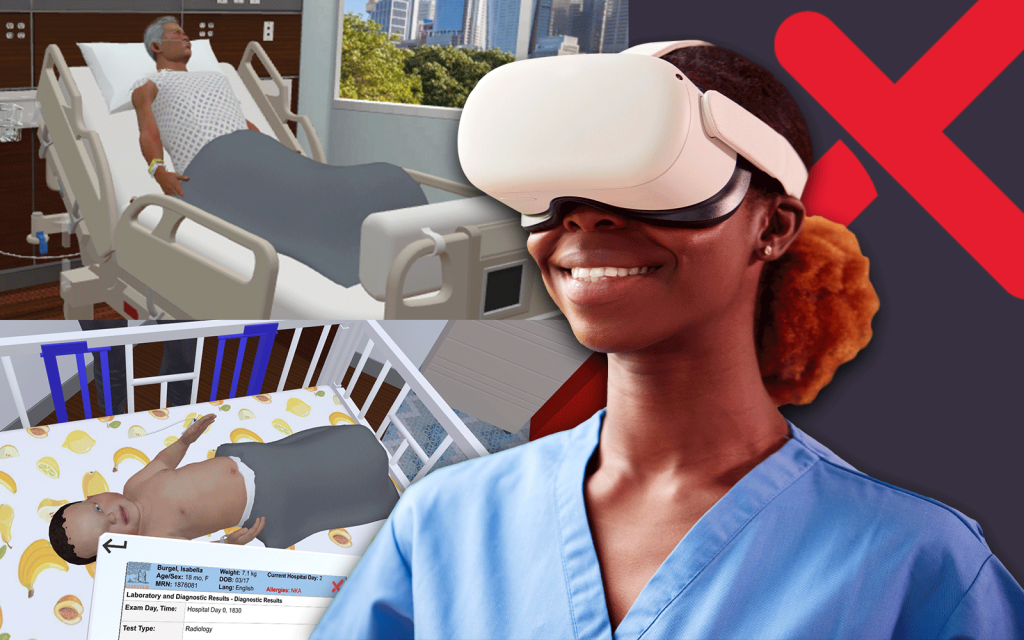
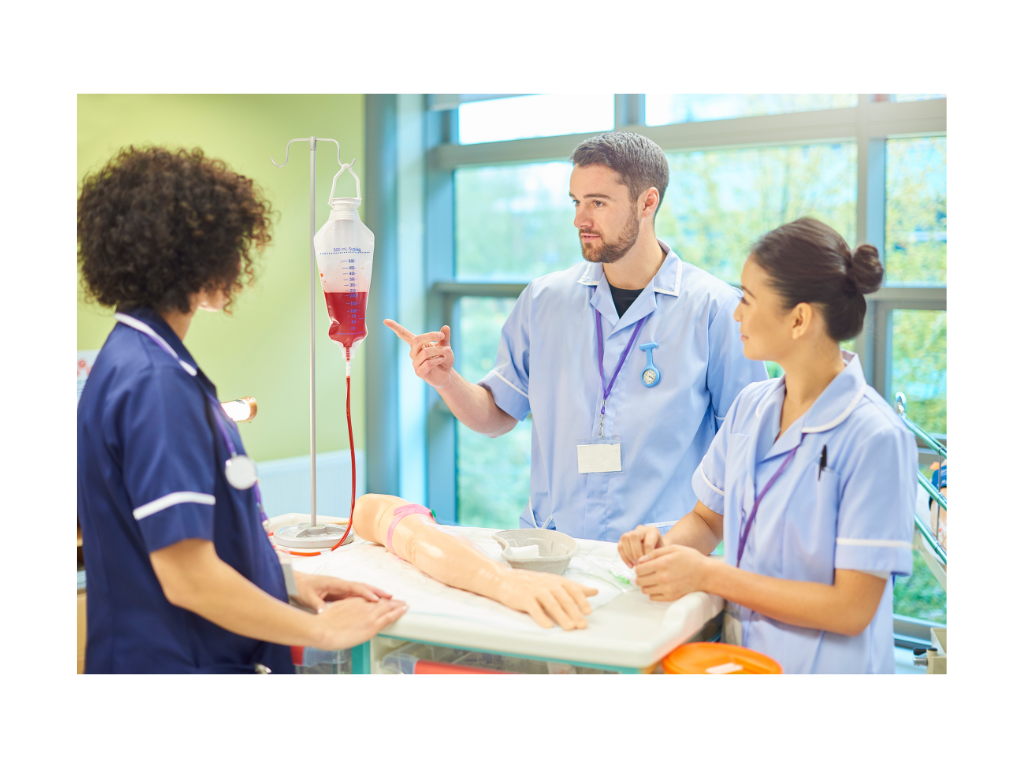
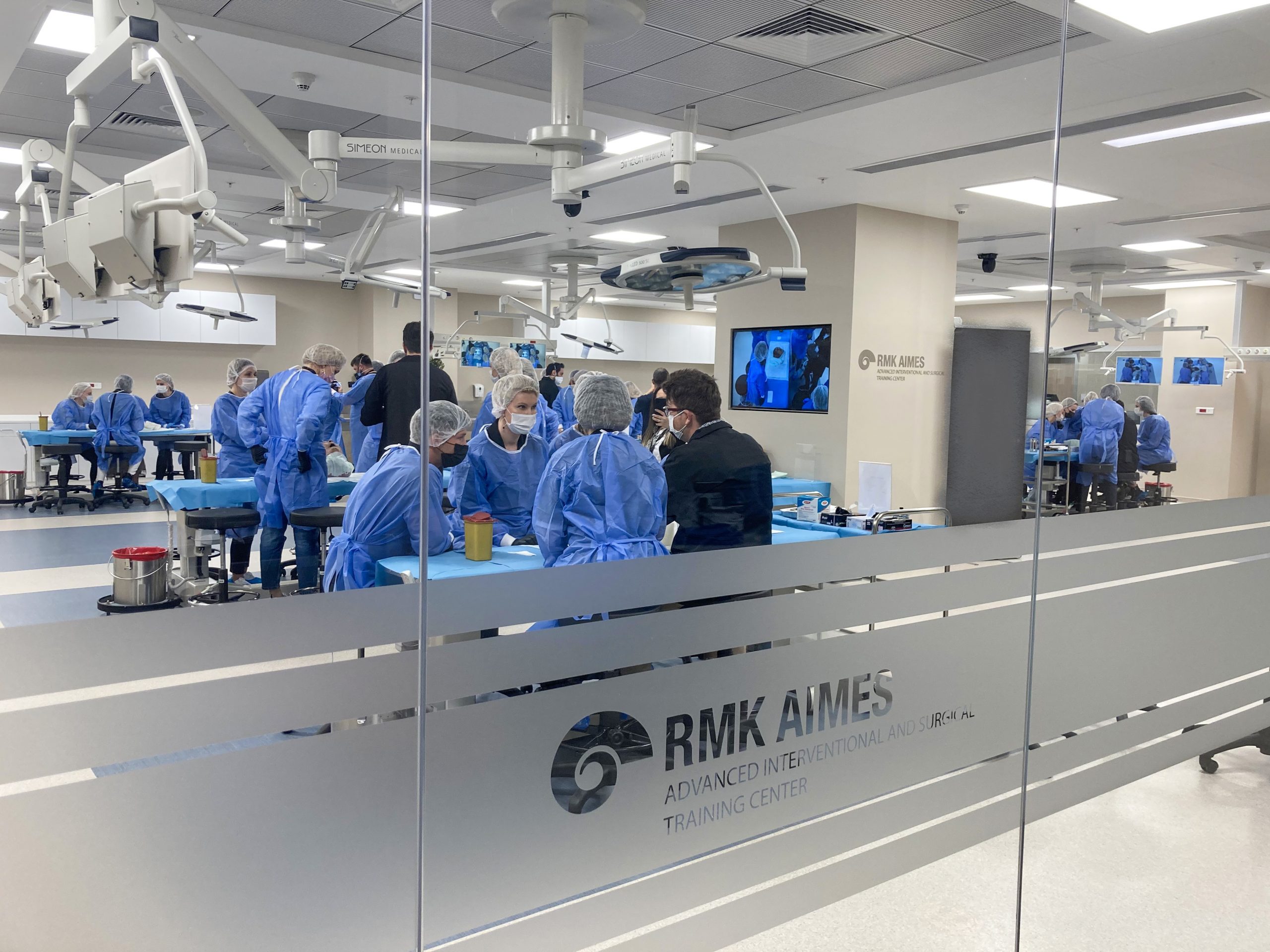
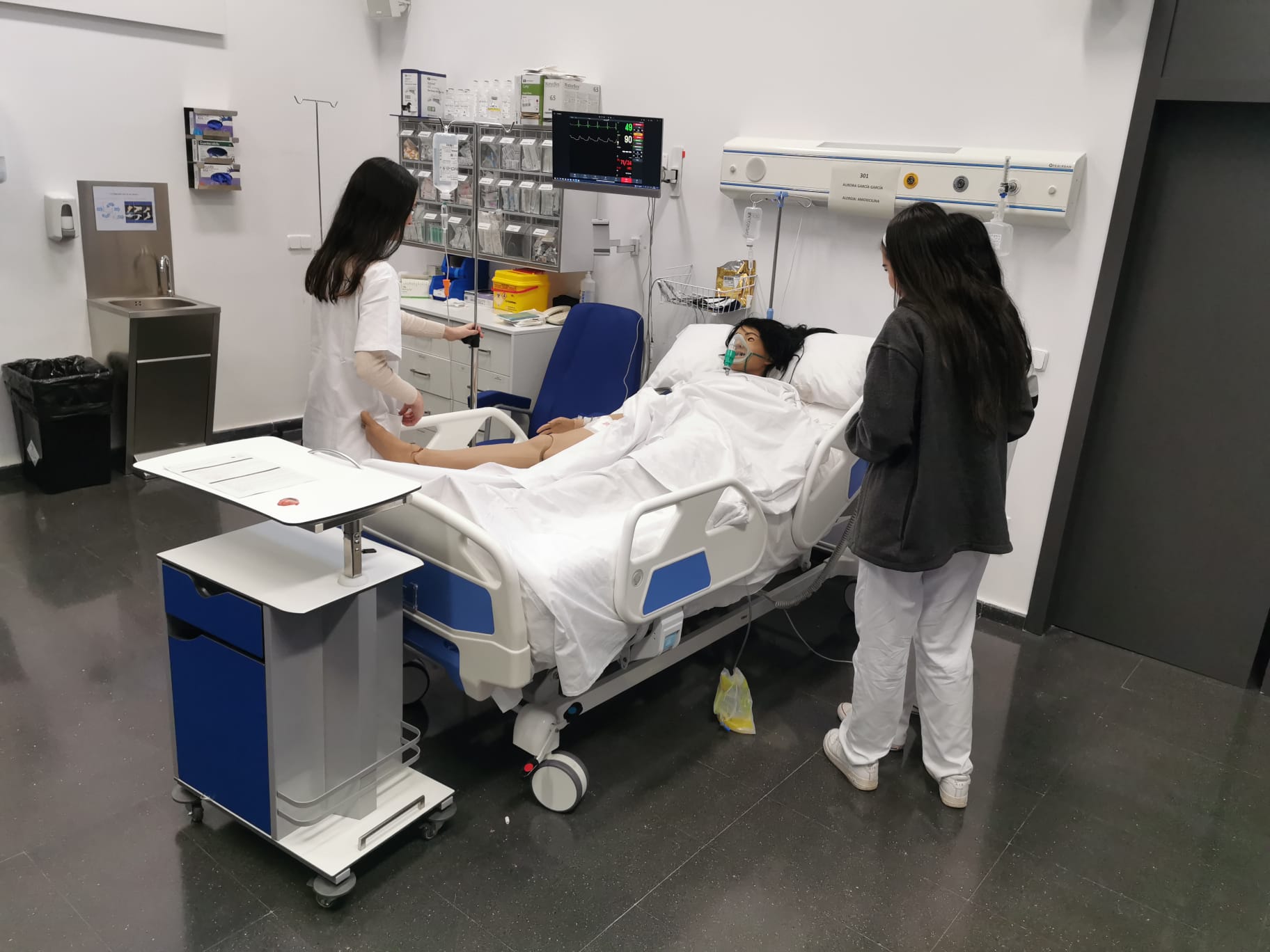
Yet when healthcare simulation is mentioned, our thoughts run almost automatically to the training of doctors and nurses in emergency management. It is less immediate to think that the same methodology, that is, practising in a protected environment what will have to be faced in real life, can also address those who care for a chronic illness at close range or live with it first hand, as the objectives of the 2026 campaign explicitly ask: the second calls for the active involvement of patients and communities in identifying risks and co-designing solutions together with professionals, the fourth for early action through timely detection and rapid management. This is a field still underused compared with its potential, but the applications already tested, and the results already measured, are numerous. I would like, therefore, to share some applications that already exist, and work: from training caregivers in the management of complex devices, through to simulation programmes built into patient education pathways.
Example 1: recognising the critical signal
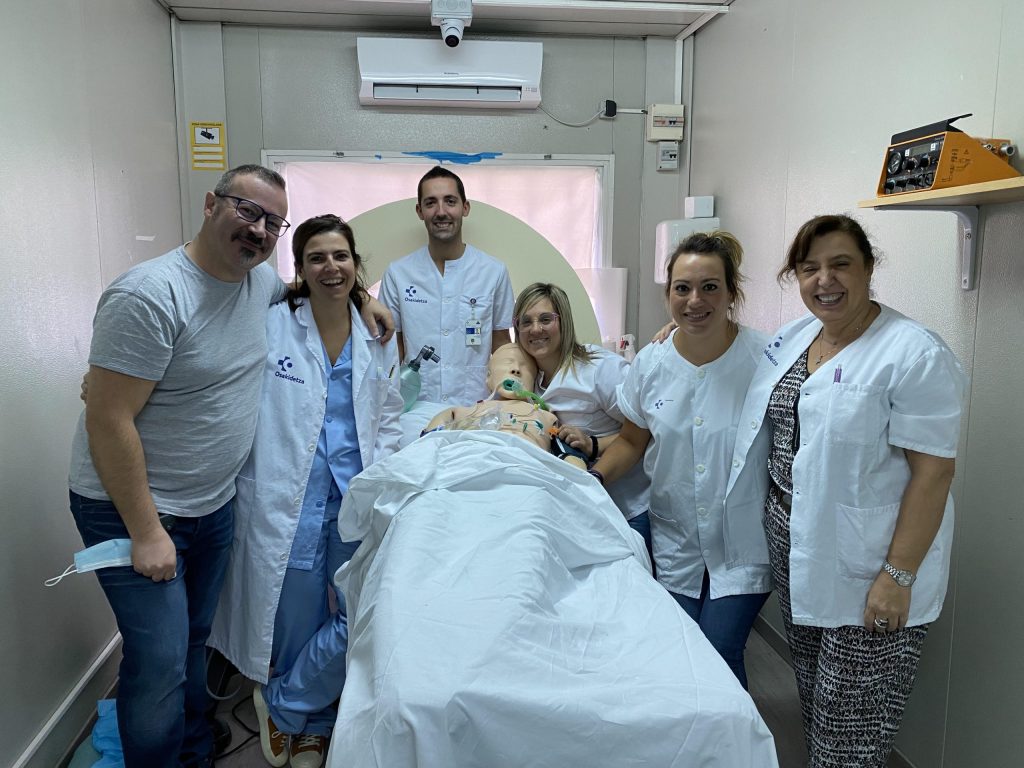
We are talking about early diagnosis and timely response, as Objective 4 of the WSD requires. A paper published in Healthcare describes the experience of the Catalan Health Institute, which trained almost nine thousand (9000!!) primary care professionals, doctors, nurses and administrative staff, through simulated clinical stations dedicated to emergency codes closely linked to the complications of chronic diseases, such as heart attack, stroke and sepsis. The average knowledge score improved by 49%, and the most marked gains were recorded precisely in the areas where baseline preparation was weakest, such as sepsis recognition. The interesting finding concerns above all the confirmation that simulation produces measurable results in non-clinical staff involved in organisational safety pathways as well, besides the size of the sample, of course.
Example 2: simulating with the patient
Early action also concerns patients themselves. A Chinese study published in Diabetes/Metabolism Research and Reviews tested what happens when we stop limiting ourselves to explaining to patients with diabetes how to manage their condition and start having them practise, with demonstration videos and role play, alongside nursing case management. After six months, the group that had received simulation showed a significantly greater reduction in glycated haemoglobin than the control group, and markedly better adherence to blood glucose self-monitoring. It is an example of how the logic of simulation, letting people practise in a protected environment what they will have to face in real life, can transfer from the professional to the patient, becoming part of the long term management of chronic illness.
Example 3: the caregiver as co-protagonist of care
A third piece concerns caregivers, often the real point of resilience of the system at discharge and in home management. Yet their training is still too often left to a few minutes of explanation before discharge. An integrative review published in 2023 analysed the literature, (still modest, however!) on the use of clinical simulation to prepare caregivers for the discharge of patients with chronic conditions, and found consistent results: simulation improves procedural skills, reduces initial anxiety and increases family members’ confidence in home management.
A systematic review published in Western Journal of Nursing Research confirms the picture on a wider scale, showing that simulation has positive effects on the knowledge, attitudes and skills of caregivers. But the authors’ underlying message is clear: more studies are needed, on more diverse populations, with randomised controlled designs that give these results the solidity they perhaps still lack today.
Example 4: a minimum competence threshold
We are at Northwestern Memorial Hospital in Chicago: patients carrying a ventricular assist device and their caregivers practise, with a simulation curriculum, until they reach a predefined competence threshold in the management of the controller, the power source and the dressing of the driveline exit site, even before discharge. The point is to guarantee that those who will have to act alone, often in emergency conditions, really know how to do it. If the logic of mastery learning is by now considered indispensable in training a doctor or a nurse, why should it count for less for the person who will manage that device every day, with no safety net within reach?
Final considerations
The message coming from World Patient Safety Day 2026 is that the safety of care for noncommunicable diseases is built before harm occurs. Simulation, in its various forms, remains one of the most concrete tools available for doing so, reaching not only those who already sit in a training room but also those who will be alone at home, taking care of others or of themselves.
It is time, then, to stop considering simulation a tool reserved only for the “insiders”.
DECLARATION OF THE USAGE OF AI
The author declares that he used Claude as support for grammar checking and language revision. All the content has been checked and revised by the author, who takes full responsibility for the accuracy and the originality of the work.
READ ALSO